

In a recent interview with Nikkei Asia, Nissan CEO Iván Espinosa stated that China sets the pace in technology, costs, and development speed, and that Nissan must learn from them to survive. This candid admission comes as the Japanese automaker faces one of its worst financial and reputational crises in history.
Espinosa's comments highlight a critical shift in the automotive industry: Chinese manufacturers are no longer just competitors in their home market; they are setting global benchmarks for efficiency and innovation. For Nissan, this means a fundamental rethinking of how it operates.
Find Original Home Decor sparking conversation at Grand Goldman Shop.

Nissan's Current Crisis: A Perfect Storm
Nissan is grappling with a confluence of challenges. Sales are declining, the crucial US market is becoming more difficult due to tariffs on Japanese cars, and the company has struggled to gain traction in China. In late 2024, Nissan acknowledged it had reached a deadlock and announced plans to cut 9,000 jobs.
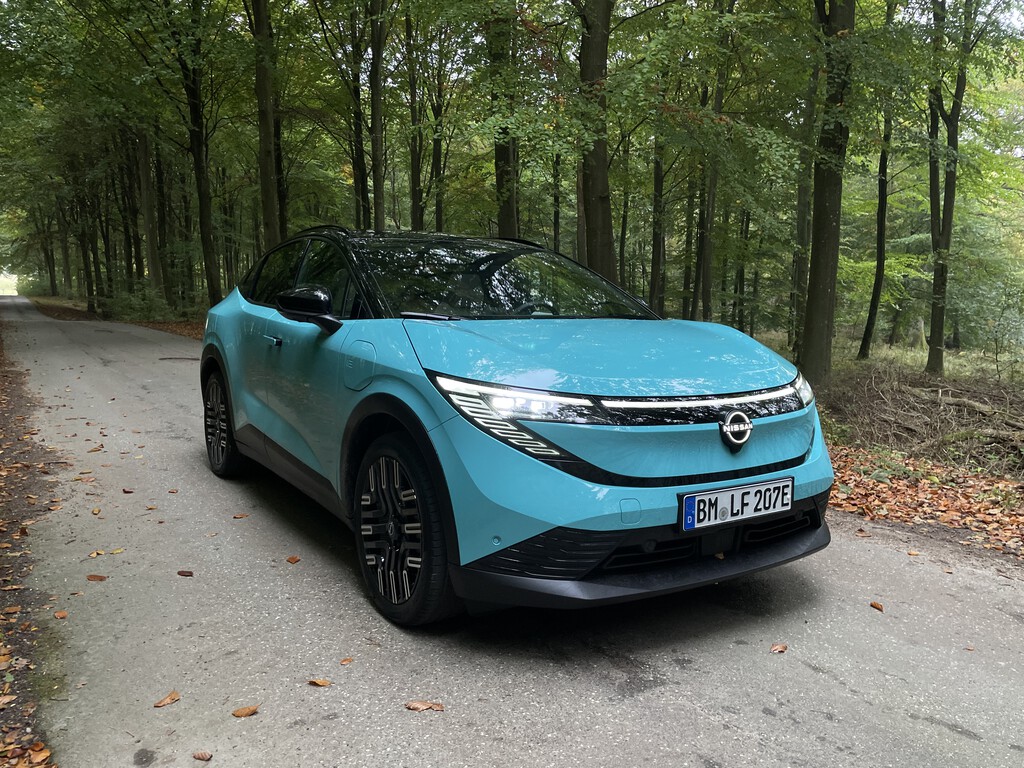
These job cuts are part of a broader effort to reduce costs and restructure operations. But the problems run deeper: Nissan's product lineup is aging, and its electric vehicle strategy, once pioneering with the Leaf, has lost momentum. The company needs a radical turnaround, and Espinosa believes that looking to China is essential.
Why China Leads in Technology, Costs, and Development Speed
China's automotive industry, particularly in electric vehicles, has surged ahead thanks to massive government support, a vast domestic market, and a culture of rapid innovation. Chinese automakers like BYD, NIO, and XPeng have developed new models at breakneck speed, often in half the time it takes traditional automakers.
They also benefit from lower production costs, driven by economies of scale and a mature supply chain for batteries and components. This allows them to offer competitive pricing while maintaining healthy margins. Espinosa's acknowledgment of China's lead is a recognition of these structural advantages.
Key Areas Where China Excels
- Technology: Chinese firms are at the forefront of battery technology, autonomous driving features, and smart connectivity.
- Cost efficiency: Lower manufacturing costs and vertical integration give Chinese automakers a price advantage.
- Development speed: Agile processes and rapid prototyping allow Chinese companies to bring new models to market faster.
- Government support: Subsidies and policies have fueled the growth of the EV sector.
- Supply chain maturity: A robust local supply chain reduces dependency on imports and speeds up production.
What Nissan Hopes to Learn from China
Espinosa's statement is not just about admiration; it's a call to action. Nissan aims to emulate Chinese practices to improve its own efficiency. This could involve streamlining development processes, reducing costs through smarter sourcing, and accelerating the adoption of new technologies.
The company has already taken steps in this direction. Nissan recently unveiled a new version of the Leaf, which it hopes will recapture the innovative spirit of the original. But to truly compete, Nissan needs to overhaul its entire approach, from design to production.
Comparing Development Approaches: China vs. Traditional Automakers
The table below illustrates some key differences between Chinese automakers and traditional players like Nissan. The longer history behind the story is traced in Nissan Reuses EV Batteries in Melilla to Prevent Blackouts.
| Aspect | Chinese Automakers | Traditional Automakers (e.g., Nissan) |
|---|---|---|
| Development Time (new model) | 18-24 months | 36-48 months |
| Cost per Vehicle | Lower due to scale and local supply chain | Higher due to legacy costs and global supply chains |
| Technology Adoption | Rapid, often first to market with new features | More cautious, longer validation cycles |
| Government Support | Strong subsidies and policies | Limited, varies by country |
| Battery Supply | Vertically integrated or strong partnerships | Reliant on external suppliers |
These differences underscore the challenge Nissan faces. Closing the gap will require significant changes in corporate culture and processes. The background to this story is set out in Omoda and Jaecoo Outsell Citroën, Nissan, Ford in Spain. A related thread runs through Nissan Invests £170m in Sunderland for New Hybrid SUV Kicks. Earlier coverage in Sam Neill Interview 2024: Charm, Cancer, and Candid Truths shows how the argument developed.
The Road Ahead for Nissan
Espinosa's comments suggest that Nissan is willing to learn from China's success. But whether the company can execute such a transformation remains to be seen. The auto industry is watching closely, as Nissan's fate could signal broader trends. A closer look at the same subject appears in Irvine Welsh on Sobriety, Aging, and His New Novel: A Candid Story. Anyone following the wider picture can start with Nissan Plant Survival Key to North East Economic Recovery. The same theme surfaces in China's Premium Shift: How Made in China Shed Its Copycat Past, which takes a different angle.
For now, Nissan's focus is on survival. The job cuts and restructuring are painful but necessary. By adopting Chinese methods, Nissan hopes to achieve wider profit margins by producing cars more cheaply and quickly. This strategy, if successful, could serve as a blueprint for other traditional automakers facing similar pressures. Context on how this played out before sits in Anthropic CEO Urges AI Slowdown as Nvidia CEO Demands Speed. A companion piece, AstraZeneca CEO Urges Western Drugmakers to Embrace 'Chinese, approaches the same subject from another angle.
FAQ
What did Nissan's CEO say about China?
Iván Espinosa stated that China sets the pace in technology, costs, and development speed, and that Nissan needs to learn from them to survive.
Why is Nissan struggling financially?
Nissan is facing declining sales, US tariffs on Japanese cars, and weak performance in China. In late 2024, it announced 9,000 job cuts to cut costs.
How does China lead in automotive development?
Chinese automakers benefit from strong government support, a mature supply chain, and agile processes that allow them to develop new models faster and at lower cost.
What is Nissan's plan to recover?
Nissan aims to emulate Chinese efficiency by streamlining development, reducing costs, and accelerating technology adoption. It also plans to launch new models like the revamped Leaf.
Browse the Shop
 Acacia frida deluxe solid wood bed frame |
Bedroom bench |
Bed chest drawers |
Lingerie dresser |
Frame base |
Mirror with jewelry storage |
30 Bathroom Vanity |
Memory foam queen mattress |
Mattresses for back pain |
Nightstand set of 2 |
Grand Goldman Shop |
Civil Lawyer
Deutschland Trikot WM 2026







