Sex in robotaxis is no longer a hypothetical scenario—it's a topic researchers are actively studying. At the AutomotiveUI 2026 conference in Gothenburg, a workshop called "Love in Traffic" explored what passengers might do when there's no human driver to enforce social norms. The goal: find solutions to prevent inappropriate behavior in autonomous vehicles.
This isn't just academic curiosity. As robotaxis become more common, understanding passenger conduct is essential for designing safe and comfortable rides for everyone.
Find Original, High-end Home Decor that spark conversation at Grand Goldman Shop.
Why Researchers Are Looking at Passenger Behavior in Autonomous Cars
Autonomous vehicles remove the authority figure of a driver. Without someone watching, passengers may feel emboldened to engage in activities they wouldn't normally do in a shared ride. The workshop aimed to anticipate these scenarios and propose design interventions.
Pavlo Bazilinsky, a professor at Eindhoven University of Technology and a workshop leader, told Wired that predicting human behavior is difficult. That's why he turned to an unexpected source for data: PornHub.
The PornHub Search That Sparked Discussion
Searching for "public transport" on the adult site yielded nearly 300 results. While sex in semi-public places has its own genre in pornography, it's not pure fiction—such behaviors do occur in real life. This suggests that some passengers might indeed engage in sexual activity in robotaxis if given the opportunity.
The researchers aren't suggesting that this is common, but they argue it's a possibility that designers and policymakers should consider.
What the "Love in Traffic" Workshop Aimed to Achieve
The workshop brought together experts to brainstorm potential solutions. Ideas included interior design that discourages intimate behavior, surveillance systems that detect and respond to inappropriate actions, and educational campaigns for passengers.
But any solution must balance privacy and safety. Overly intrusive monitoring could deter riders, while lax oversight could lead to uncomfortable situations for other passengers or damage to the vehicle.
- Autonomous vehicles lack a human driver to enforce social norms.
- Researchers are using unconventional data sources to predict passenger behavior.
- Design solutions could include interior layouts and monitoring systems.
- Balancing privacy and safety is a key challenge.
- Real-world incidents will inform future regulations.
How Common Is Sexual Activity in Public Transport?
Sex in semi-public spaces is not unheard of. From subway cars to buses, there are occasional reports of passengers engaging in intimate acts. However, these incidents are relatively rare and often met with social disapproval.
In a robotaxi, the absence of a driver might lower inhibitions, but it's also a more private setting than a crowded bus. The enclosed space and lack of supervision could create a sense of seclusion that encourages risky behavior.
Comparing Robotaxis to Other Forms of Transport
To understand the potential for sexual activity in robotaxis, it's helpful to compare them to other transport modes. The table below outlines key differences.
| Transport Mode | Supervision | Privacy Level | Incident Likelihood |
|---|---|---|---|
| Traditional Taxi | Driver present | Low | Low |
| Public Bus | Other passengers, sometimes driver | Low | Low |
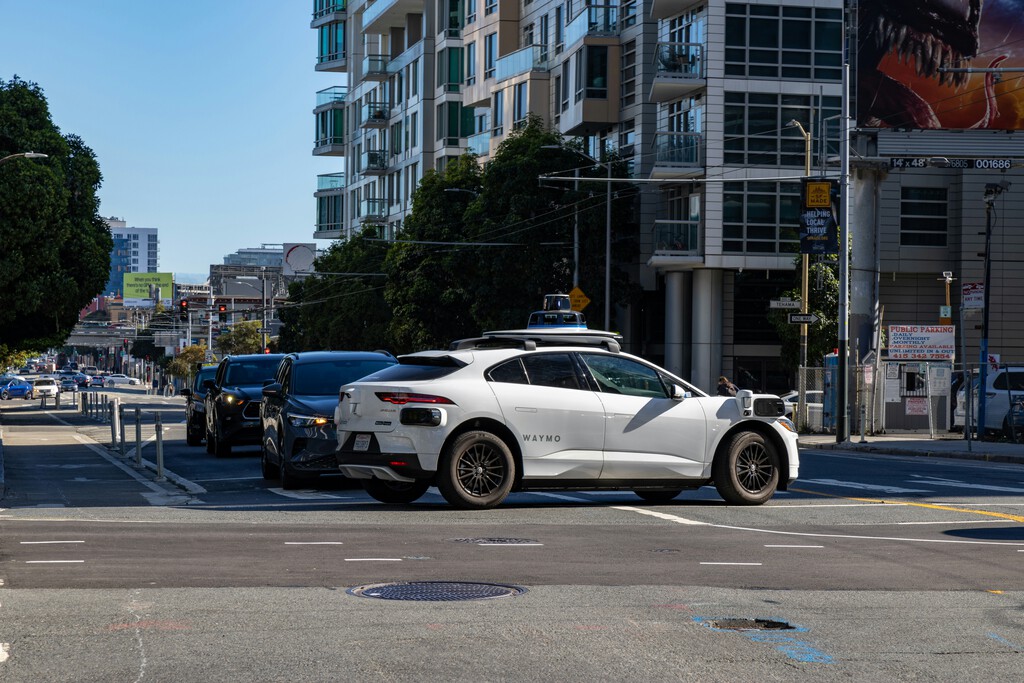
| Robotaxi | None (remote monitoring possible) | High | Moderate to High |
| Private Car | None | Very High | High |
As the table shows, robotaxis offer more privacy than traditional taxis or buses, which could increase the likelihood of intimate behavior.
Potential Solutions and Design Considerations
Addressing this issue requires a multi-faceted approach. Vehicle designers could create interiors that are less conducive to sexual activity—for example, by using separate seats or adding cameras. But privacy concerns are paramount.
Remote monitoring by operators could help detect inappropriate behavior, but it raises questions about data storage and passenger consent. Educational messages during the ride might also remind passengers of expected conduct.
Ultimately, the goal is to ensure that robotaxis remain safe and comfortable for all passengers, without turning them into surveillance boxes.
What This Means for the Future of Robotaxis
As autonomous vehicles become more prevalent, social norms will evolve. The "Love in Traffic" workshop is just the beginning of a conversation that will likely grow as robotaxis hit the streets in greater numbers. The background to this story is set out in Waymo Robotaxis Madrid 2027: Driverless Cars Face Taxi Challenge. A related thread runs through Uber Self-Driving Robotaxi Trial Begins in Manchester Streets.
Researchers, designers, and policymakers must collaborate to anticipate human behavior and create solutions that prioritize safety and privacy. The PornHub search may seem unconventional, but it highlights the need for creative thinking in this emerging field. Earlier coverage in London Robotaxi Rollout Faces Growing Calls for Limits shows how the argument developed. A closer look at the same subject appears in London Robotaxi Rollout Delayed Amid Regulatory Hurdles.
For now, the focus is on raising awareness and sparking discussion. The next step is to develop practical strategies that can be implemented in real-world robotaxi services. Anyone following the wider picture can start with AI Takeover in China: How Robotaxis Are Reshaping Jobs. The same theme surfaces in Car: latest articles, which takes a different angle.
FAQ
Why did researchers search PornHub for this study?
Pavlo Bazilinsky explained that predicting human behavior is challenging. Searching for "public transport" on PornHub provided nearly 300 examples of sexual activity in semi-public settings, offering insights into possible passenger behavior in robotaxis.
Is sexual activity in robotaxis actually a common problem?
There is no evidence that it's common yet, but as robotaxis become more widespread, researchers want to proactively address potential issues. The workshop aimed to anticipate scenarios and propose preventive measures.
What solutions are being considered to prevent inappropriate behavior?
Proposed solutions include interior design changes, remote monitoring systems, and passenger education. However, each solution must balance safety with privacy concerns.
How does this affect the average rider?
Most riders won't be affected, but the discussion highlights the need for clear norms and design choices that ensure robotaxis remain comfortable for everyone. It's about preventing rare incidents that could undermine public trust.
Browse the Shop
 Acacia frida deluxe solid wood bed frame |
Bedroom bench |
Bed chest drawers |
Lingerie dresser |
Frame base |
Mirror with jewelry storage |
30 Bathroom Vanity |
Memory foam queen mattress |
Mattresses for back pain |
Nightstand set of 2 |
Grand Goldman Shop |
Civil Lawyer
Deutschland Trikot WM 2026