

The Xiaomi SU7 Ultra has sent shockwaves through the automotive world, and a recent teardown by European workshop EV Clinic reveals why it could spell trouble for German automakers. The independent shop, known for reverse-engineering vehicles to uncover their secrets, stripped down the Chinese electric sedan and came away impressed—almost to the point of calling it perfect.
EV Clinic's analysis goes beyond surface-level impressions. While mainstream media focuses on panel gaps or interior materials, the workshop digs into the engineering underneath. Their conclusion? The SU7 Ultra is a tour de force that threatens the dominance of established German brands.
Find Original Home Decor sparking conversation at Grand Goldman Shop.

Xiaomi SU7 Ultra: A Record-Breaking Machine
Before the teardown, the SU7 Ultra made headlines by setting a blistering lap time at the Nürburgring last June. It shattered records previously held by the Rimac Nevera and the Porsche Taycan Turbo GT, cementing its performance credentials. This isn't just a flashy EV; it's a serious contender.
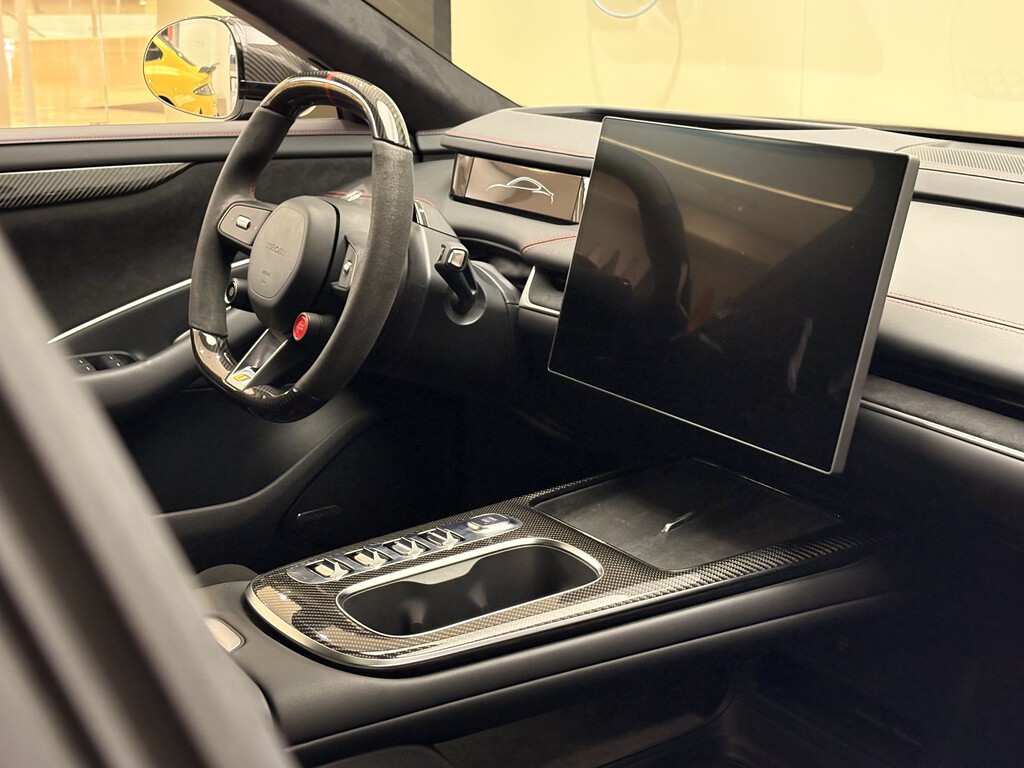
EV Clinic's team didn't waste time basking in the hype. They immediately began disassembling the car to understand what makes it tick. Their findings suggest that Xiaomi has engineered a vehicle that rivals, and perhaps exceeds, the best from Germany.

Under the Skin: Chassis and Build Quality
After removing interior plastics and trim, EV Clinic discovered a chassis that bears a strong resemblance to the latest Tesla Model 3 and Model S. This isn't necessarily a bad thing—Tesla's platforms are highly regarded—but it indicates that Xiaomi has studied and possibly improved upon existing designs.
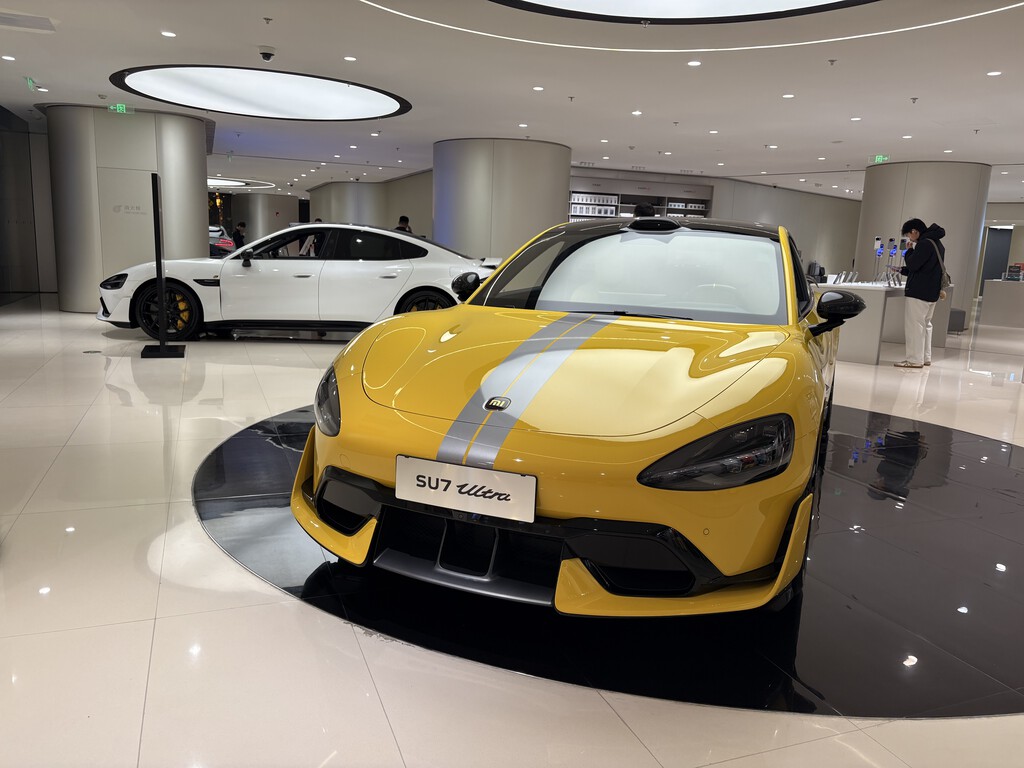
The workshop noted that the SU7 Ultra's structural rigidity and material choices are top-notch. They found extensive use of high-strength steel and aluminum, contributing to both safety and performance. Such attention to detail is typically associated with premium German marques, but Xiaomi has matched it.
Performance and Engineering Highlights
The SU7 Ultra is powered by a tri-motor setup that delivers staggering acceleration and a top speed that rivals hypercars. EV Clinic's teardown revealed a sophisticated cooling system and battery management architecture that ensures consistent performance under stress.
Key takeaways from the teardown include:
- Chassis design closely mirrors Tesla's latest platforms, suggesting Xiaomi leveraged proven engineering.
- Material quality is exceptional, with extensive use of high-strength steel and aluminum.
- Thermal management is advanced, supporting sustained high performance.
- Build complexity is on par with German competitors, if not higher.
- Cost efficiency appears superior, given the car's competitive pricing.
These factors combine to create a vehicle that not only performs but also undercuts many rivals on price. For German automakers, this is a wake-up call.
Comparison: Xiaomi SU7 Ultra vs. German Rivals
How does the SU7 Ultra stack up against the establishment? The table below summarizes key specifications and attributes based on EV Clinic's findings and public data.
| Attribute | Xiaomi SU7 Ultra | Porsche Taycan Turbo GT | Tesla Model S Plaid |
|---|---|---|---|
| Motor Setup | Tri-motor | Dual-motor | Tri-motor |
| Horsepower (approx.) | 1,500+ | 1,000+ | 1,020 |
| 0-60 mph (sec) | Under 2.0 | 2.1 | 1.99 |
| Top Speed (mph) | 200+ | 190 | 200 |
| Starting Price (USD est.) | ~$150,000 | ~$230,000 | ~$90,000 |
While the Tesla Model S Plaid offers similar performance for less, the SU7 Ultra's build quality and materials appear to surpass it. The Porsche, meanwhile, is significantly more expensive without a clear performance advantage.
Why This Matters for the German Auto Industry
Germany's automakers have long dominated the luxury and performance segments. But the rise of Chinese EVs like the SU7 Ultra signals a shift. Xiaomi, a tech company new to cars, has managed to produce a vehicle that matches or beats established players in engineering and performance.
This puts pressure on German brands to innovate faster and cut costs. The teardown suggests that Xiaomi has achieved a level of vertical integration and efficiency that allows it to offer high-end features at lower prices. If German automakers can't respond, they risk losing market share in the increasingly competitive EV space. The longer history behind the story is traced in Xiaomi SU7 Ultra Outpaces Ferrari SF90 in Viral Drag Race.
Moreover, the SU7 Ultra's success demonstrates that Chinese manufacturers are no longer just copying—they are leading in some areas. The use of Tesla-like chassis architecture shows a willingness to learn from the best and improve upon it. The background to this story is set out in Car: latest articles. A related thread runs through Xiaomi SU7: 812 Days to Refresh Shows China's Speed vs Europe. Earlier coverage in Honda EV Strategy Stumbles as China Overtakes Japan in Electric Cars shows how the argument developed.
What to Watch Next
As the SU7 Ultra prepares for wider release, all eyes will be on how German automakers react. Will they accelerate their own EV programs? Or will they double down on traditional strengths? One thing is clear: the bar has been raised. A closer look at the same subject appears in Xiaomi's Second EV Brand Skynomad: What It Means for the Auto Industry. Anyone following the wider picture can start with Volkswagen Osnabrück Plant May Build Iron Dome Parts. The same theme surfaces in Xiaomi's Apple Ambitions: 2025 Revenue Hits Record High, which takes a different angle.
EV Clinic's teardown is a warning shot. The German industry must take notice and respond with vehicles that can compete on both performance and value. The future of the automotive landscape may well depend on it. Context on how this played out before sits in Chinese Car Manufacturing Cost Advantage: A Threat to Traditional Automakers. A companion piece, Xiaomi SU7 Ultra Teardown: A Warning for German Automakers, approaches the same subject from another angle.
FAQ
What did EV Clinic discover in the Xiaomi SU7 Ultra teardown?
EV Clinic found that the SU7 Ultra's chassis closely resembles Tesla's latest platforms, with exceptional material quality and advanced thermal management. They concluded that the car is near-perfect and poses a serious threat to German automakers.
How does the Xiaomi SU7 Ultra compare to the Porsche Taycan Turbo GT?
The SU7 Ultra offers similar or better performance at a significantly lower price. It set a faster lap time at the Nürburgring and features a tri-motor setup with over 1,500 horsepower, while the Taycan Turbo GT has a dual-motor setup with around 1,000 horsepower.
Why is the SU7 Ultra considered a threat to German automakers?
The SU7 Ultra demonstrates that Xiaomi can produce a high-quality, high-performance EV at a competitive price. This challenges the dominance of German brands in the luxury and performance segments, forcing them to innovate faster and reduce costs.
What can we expect from German automakers in response?
German automakers are likely to accelerate their EV development and focus on improving efficiency and reducing prices. They may also emphasize their brand heritage and engineering expertise to differentiate themselves from emerging Chinese competitors.
Browse the Shop
 Acacia frida deluxe solid wood bed frame |
Bedroom bench |
Bed chest drawers |
Lingerie dresser |
Frame base |
Mirror with jewelry storage |
30 Bathroom Vanity |
Memory foam queen mattress |
Mattresses for back pain |
Nightstand set of 2 |
Grand Goldman Shop |
Civil Lawyer
Deutschland Trikot WM 2026







