

The Cantabrian brown bear is expanding its range across the northwest Iberian Peninsula, a remarkable turnaround for a species that nearly vanished in the late 20th century. New research from the Doñana Biological Station (CSIC) documents how the bear's distribution has grown to 17,000 square kilometers, even as debates over species introduction continue.
This recovery offers a powerful case study in large carnivore conservation and the importance of sustained protection measures.
Find Original, High-end Home Decor that spark conversation at Grand Goldman Shop.
A Dramatic Comeback from the Brink
In the 1980s and 1990s, the Cantabrian brown bear reached a historic low, raising alarm bells about its extinction. Habitat loss, poaching, and fragmented populations threatened its survival. But today, the species once again occupies a broad territory in the Iberian Peninsula.
A genetic census in February 2023 counted 370 bears: 250 in the western subpopulation and 120 in the eastern. This marks a significant increase from previous decades.
How the Bear's Range Has Changed
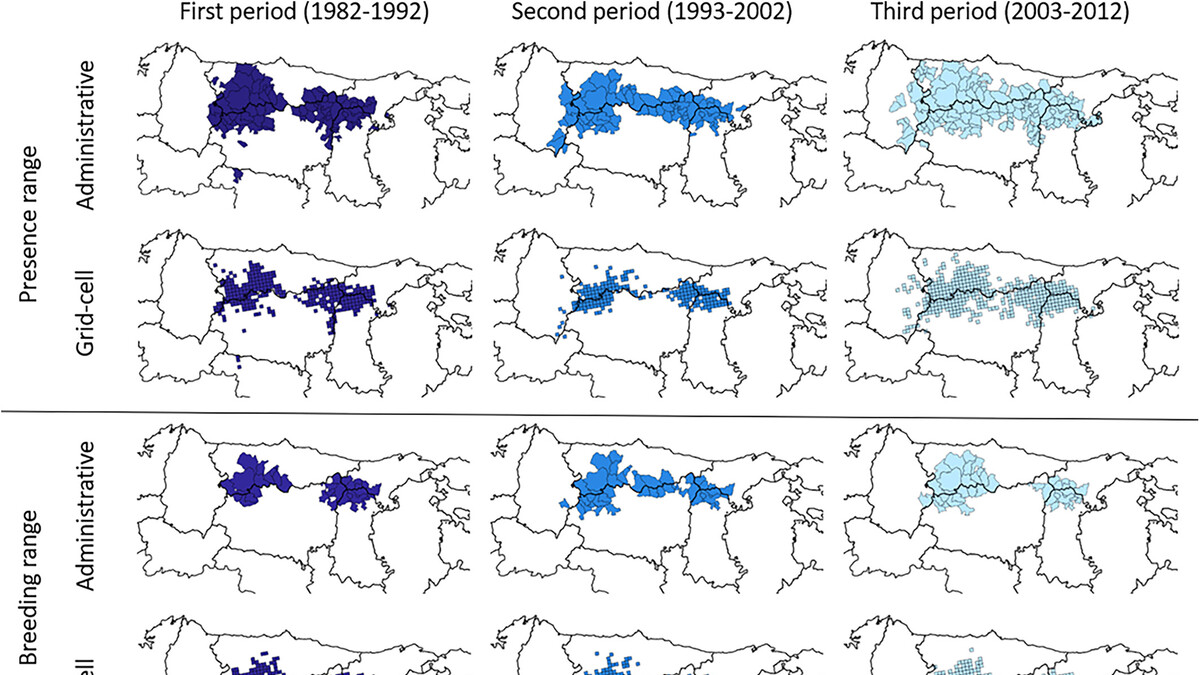
The Doñana study reconstructed changes in the bear's distribution from 1982 to 2012, dividing the period into three decades. The area of presence fell by 25% between the first two periods, then surged by 70% in the third. Crucially, two isolated populations merged during this growth phase.
This connection is a major milestone, as it suggests improved habitat connectivity and genetic exchange between previously separated groups.
Key Factors Behind the Expansion
- Protection laws and reduced hunting pressure have allowed populations to rebound.
- Habitat connectivity has enabled the western and eastern subpopulations to merge.
- Genetic monitoring provides accurate population estimates and informs management.
- Public awareness and conservation campaigns have fostered coexistence.
- Rural depopulation may have allowed forests to regenerate in some areas.
Why This Matters for Conservation
The expansion of a large carnivore like the brown bear indicates that the habitat is suitable and that protection measures are working. Bears require extensive, connected landscapes with adequate food and shelter, so their recovery signals a healthier ecosystem overall.
However, challenges remain. Recovery plans currently cover only about 50% of the bear's current distribution, leaving nearly half of its territory without formal management. This gap could lead to reduced monitoring, increased human-bear conflicts, and exposure to threats like poaching or vehicle collisions.
Comparing Bear Populations: Then and Now
| Period | Population Estimate | Area of Presence | Key Event |
|---|---|---|---|
| 1980s–1990s | ~60–80 | ~4,000 km² | Historic low, extinction risk |
| 2000s | ~100–150 | ~5,000 km² | Slow recovery begins |
| 2010s | ~200–250 | ~10,000 km² | Populations begin to merge |
| 2023 | 370 | 17,000 km² | Two subpopulations connected |
Note: Population figures for earlier periods are approximate and based on available data.
The Role of Species Introduction Debates
While the bear expands naturally, discussions about reintroducing or reinforcing other species often dominate conservation circles. The Cantabrian bear's success shows that protecting existing populations and habitats can yield results without direct intervention.
Yet, the debate over species introduction can divert attention and resources from ongoing management needs. As the bear's range grows beyond protected areas, proactive measures such as conflict prevention and corridor maintenance become essential. The background to this story is set out in Brown Hares in Wheat Stubble: A Wildlife Spectacle. A related thread runs through Wildlife Recorders: Unsung Heroes of Local Conservation. Earlier coverage in Drones and Tech Revolutionize Africa Nature Reserve Conservation shows how the argument developed.
What to Watch Next
Monitoring will be critical as the bear continues to expand. Genetic censuses should be repeated to track population trends and connectivity. Recovery plans need to be updated to cover the full distribution, ensuring consistent protection and management across regions. A closer look at the same subject appears in Healthy Babies Programme Expands Across England for Families. Anyone following the wider picture can start with Bearcam Livestream: Watch Alaskan Brown Bears Catch Salmon. The same theme surfaces in Hedge Laying: Ancient Craft for Modern Farm Conservation, which takes a different angle.
Public education and compensation schemes for livestock losses will also be vital to maintain local support. The Cantabrian brown bear's story is one of hope, but it requires sustained commitment to secure its future. Context on how this played out before sits in Black Foils Lead Marine Conservation Fight Against Destructive. A companion piece, Sharks in Australia: Fear Threatens Conservation Progress, approaches the same subject from another angle.
FAQ
How many brown bears are there in the Cantabrian Mountains?
As of February 2023, a genetic census counted 370 brown bears: 250 in the western subpopulation and 120 in the eastern.
Why did the brown bear population decline in the 20th century?
Habitat loss, poaching, and fragmentation drove the decline, bringing the species close to extinction by the 1980s and 1990s.
What is the current range of the Cantabrian brown bear?
The bear now occupies approximately 17,000 square kilometers across the northwest Iberian Peninsula, with two subpopulations that have recently connected.
What challenges remain for brown bear conservation?
Recovery plans cover only about half of the bear's current distribution, leaving gaps in monitoring and management that could lead to human-wildlife conflicts.
Browse the Shop
 Acacia frida deluxe solid wood bed frame |
Bedroom bench |
Bed chest drawers |
Lingerie dresser |
Frame base |
Mirror with jewelry storage |
30 Bathroom Vanity |
Memory foam queen mattress |
Mattresses for back pain |
Nightstand set of 2 |
Grand Goldman Shop |
Civil Lawyer
Deutschland Trikot WM 2026







