

England's drought crisis has transformed the country from a lush, green landscape to a parched one in just 140 days. On March 23, 2026, the Environment Agency officially declared that England had recovered from a drought with few precedents, with reservoirs at 95% capacity and soil moisture perfect. But by August 10, 2026, 71.3% of England's territory is officially in drought, affecting 45 million people directly.
How Did England's Drought Crisis Unfold So Quickly?
The rapid onset of England's drought crisis is staggering. After years of difficult conditions, the country seemed to have turned a corner. But a series of extreme weather events, particularly a record-dry July, pushed the region back into crisis. The lack of rainfall was compounded by soaring temperatures and abundant sunshine, creating a perfect storm for drought conditions.
Find Original Home Decor sparking conversation at Grand Goldman Shop.

This swift reversal highlights the volatility of modern weather patterns and the increasing frequency of extreme events. It also underscores the vulnerability of water systems to sudden shifts, even after apparent recovery.
Record-Breaking July: The Driest Month in England's History
July 2026 was not just the driest July on record; it was the driest month ever recorded in England, with only 6.5 mm of rainfall—a mere 10% of the normal amount. In southern England, the situation was even more severe: just 1.9 mm fell, which is 3% of the usual rainfall. These figures are particularly striking when compared to Spain's driest July since 1961, which saw 4.6 mm. While Spain's average includes drier regions, England's nationwide shortfall is unprecedented.
The lack of rain was accompanied by record sunshine. England experienced its sunniest month since 1910, with 305.6 hours of sunshine and temperatures 2.1 degrees above average. This combination of extreme dryness and heat rapidly depleted water reserves and parched the soil.
Who Is Affected by England's Drought Crisis?
The drought affects 45 million people across England, with 27 million facing restrictions on water use, including bans on garden watering. No region of the country is in a normal state, and the entire population is feeling the impact. From households to businesses, the water shortage is reshaping daily life and economic activities.
Agriculture is particularly hard hit, as crops wither and livestock struggle. The energy sector also faces challenges, as power plants rely on water for cooling. The drought's reach extends to every corner of society, making it a national emergency.
Key Takeaways from England's Drought Crisis
- England went from 95% reservoir capacity to 71.3% of the country in drought in just 140 days.
- July 2026 was the driest month in England's recorded history, with only 6.5 mm of rainfall.
- 45 million people are directly affected, with 27 million facing water use restrictions.
- The month was also the sunniest since 1910, exacerbating drought conditions.
- No region in England is currently in a normal water state.
Comparing England's Drought to Other Regions
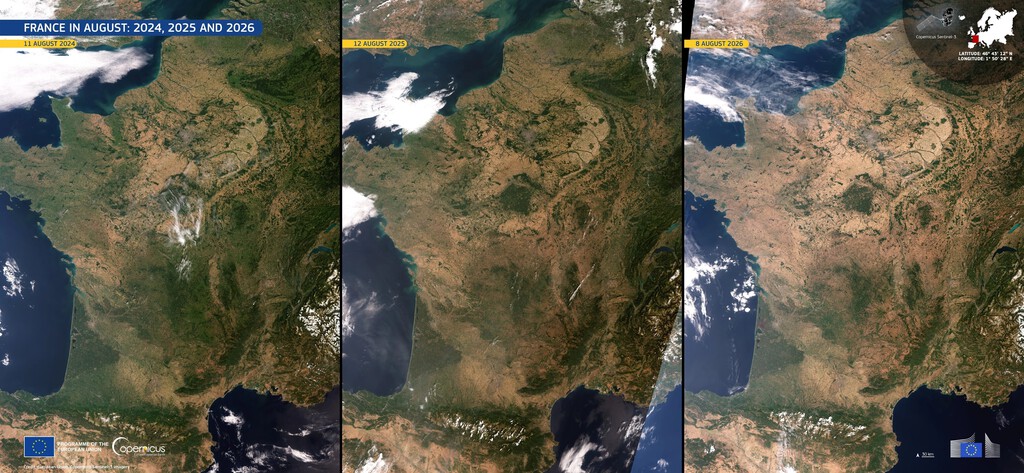
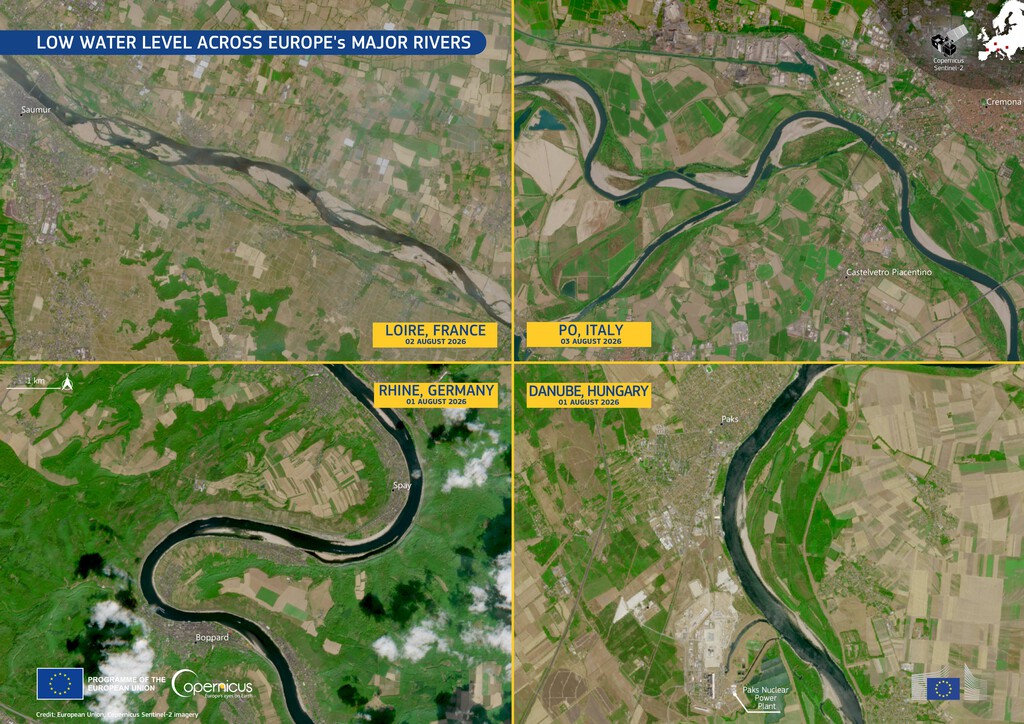
While England's drought is severe, it is not isolated. France and other parts of Europe have also experienced significant dryness. However, the speed and intensity of England's descent into drought are remarkable. The table below compares key metrics from England's July 2026 with Spain's driest July since 1961. The background to this story is set out in England Drought Crisis: Half of Country in Exceptionally Serious. A related thread runs through England Drought Crisis: Half Officially in Exceptionally Serious. Earlier coverage in England Drought Crisis: Half of Nation in Exceptionally Serious shows how the argument developed.
| Metric | England (July 2026) | Spain (July 2026) |
|---|---|---|
| Rainfall (mm) | 6.5 | 4.6 |
| Southern Region Rainfall (mm) | 1.9 | Varies (e.g., Valladolid ~13 mm normal) |
| Sunshine Hours | 305.6 | Not specified |
| Temperature Anomaly (°C) | +2.1 | Not specified |
| Population Affected | 45 million | Not specified |
What to Watch Next in England's Drought Crisis
As England grapples with this unprecedented drought, all eyes are on the weather forecast and water management strategies. The Environment Agency is monitoring reservoir levels and may impose further restrictions if conditions don't improve. The government is under pressure to invest in water infrastructure and drought resilience. A closer look at the same subject appears in England Reservoirs Exceptionally Low Amid Persistent Drought. Anyone following the wider picture can start with Severe Drought in England Threatens Public Water Supplies. The same theme surfaces in England Drought: 75% Affected as Heatwave Looms, which takes a different angle.
Climate experts point to this event as a stark reminder of climate change's impacts. The rapid shift from drought recovery to crisis in just 140 days is a wake-up call for policymakers and the public alike. How England adapts to this new reality will be crucial for its future. Context on how this played out before sits in England's Ancient Oak Trees Dying in Extreme Heat and Drought. A companion piece, Danube Drought Devastation: Energy Crisis and Crop Losses, approaches the same subject from another angle.
FAQ
What caused England's sudden drought?
The drought was triggered by a record-dry July with only 6.5 mm of rainfall, combined with record sunshine and above-average temperatures. This rapidly depleted water reserves and soil moisture.
How many people are affected by the drought?
45 million people are directly affected, with 27 million facing restrictions on water use such as garden watering bans.
Is this drought unprecedented?
Yes, July 2026 was the driest month in England's recorded history, and the speed of onset—from recovery to crisis in 140 days—is unprecedented.
What can be done to mitigate the crisis?
Short-term measures include water restrictions and public awareness campaigns. Long-term solutions require investment in water infrastructure, drought-resistant agriculture, and climate adaptation strategies.
Browse the Shop
 Acacia frida deluxe solid wood bed frame |
Bedroom bench |
Bed chest drawers |
Lingerie dresser |
Frame base |
Mirror with jewelry storage |
30 Bathroom Vanity |
Memory foam queen mattress |
Mattresses for back pain |
Nightstand set of 2 |
Grand Goldman Shop |
Civil Lawyer
Deutschland Trikot WM 2026







