

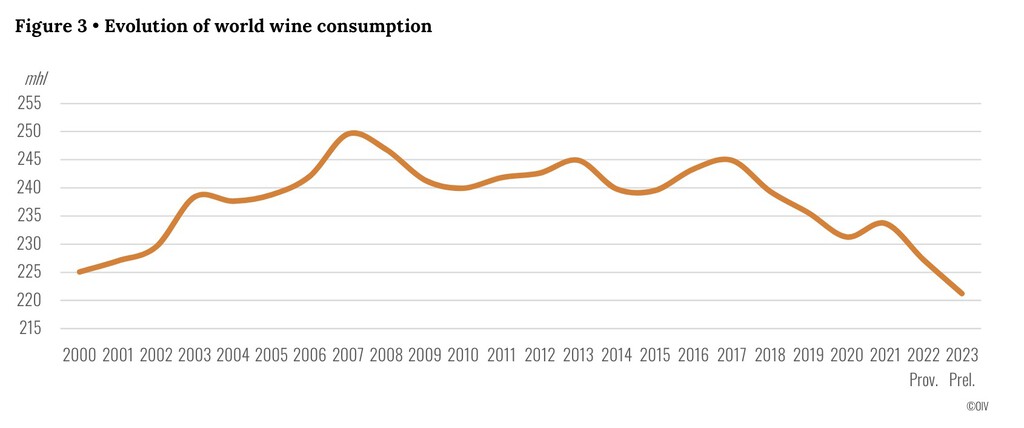
The European Union has a controversial solution for the decline of wine consumption in Spain: pulling up vines in La Rioja, often referred to as green pulling or arranque en verde. This plan marks a dramatic shift from decades of EU funding that encouraged vineyard expansion. Now, Brussels is pushing for contraction, and La Rioja's iconic landscape could change forever.
What Is the EU Wine Package?
In December 2025, the EU agreed on a new Wine Package to manage the crisis facing the wine sector. The plan moves from expanding supply to administratively reducing it. It incentivizes the permanent and voluntary destruction of productive vineyards. Additionally, it relaxes the plantation system, extending deadlines and exempting fines for those who choose not to use their planting authorizations.
Find Original Home Decor sparking conversation at Grand Goldman Shop.

On the commercial side, Brussels bets on modernization and added value over volume. This includes consolidating alternatives like non-alcoholic wines and digital labeling with QR codes. The goal is to align production with declining demand and shifting consumer preferences.
Why La Rioja Is at the Center
La Rioja is Spain's most famous wine region, known for its quality reds and picturesque autumn landscapes. The region has benefited from EU funds for decades, fueling expansion. Now, the same authorities are asking farmers to uproot vines. This paradox highlights the severity of the oversupply crisis.
The EU wine sector supports 2.9 million jobs and contributes over €130 billion to the EU's GDP, according to the report "Economic, social and environmental importance of the wine sector in the EU" by the European Committee. The stakes are high, and the plan aims to prevent a collapse in prices by reducing production.
How Green Pulling Works
Green pulling involves removing vines before they produce grapes, effectively reducing acreage. Farmers receive incentives to destroy their vineyards permanently. This is voluntary but financially compelling for those struggling with low prices. The measure is part of a broader strategy to balance the market and support producers who remain in the sector. The longer history behind the story is traced in EU Wine Crisis Plan: Spain's La Rioja Vineyards Face Green Pulling.
Critics argue that uprooting healthy vines is a waste of resources and could harm biodiversity. Supporters say it's a necessary step to stabilize the market and ensure the long-term viability of the wine industry. The background to this story is set out in Spain's Vineyards Are Disappearing: Can Genetic Engineering Save Wine. A related thread runs through Growing Grapes at Home: Essential Guide for Backyard Vineyards. Earlier coverage in Discover Hungary’s Secret Vineyards on a Vintage Bus Tour shows how the argument developed.
Key Takeaways for Stakeholders
- Oversupply crisis: EU wine consumption is declining, leading to excess production and low prices.
- Policy shift: The EU moves from expansion to contraction, incentivizing vineyard removal.
- La Rioja impact: The region faces landscape changes and economic adjustments.
- Voluntary participation: Farmers can choose to uproot vines in exchange for incentives.
- Modernization focus: The plan promotes non-alcoholic wines and digital labeling to add value.
Comparing the Old and New EU Wine Policies
| Aspect | Previous Policy (Expansion) | New Wine Package (Contraction) |
|---|---|---|
| Planting rights | Encouraged new plantings with subsidies | Relaxed rules, fines exempted for unused authorizations |
| Vineyard removal | Not incentivized | Financial incentives for permanent uprooting |
| Market focus | Volume-driven | Value-added and modernization |
| Alternative products | Limited support | Promotion of non-alcoholic wines and digital labels |
| Environmental impact | Potential expansion into new areas | Reduced acreage, but concerns over biodiversity |
What This Means for Spain's Wine Industry
Spain is the world's largest wine exporter by volume, and La Rioja is a key region. The green pulling plan could reduce Spain's production capacity, potentially raising prices for remaining producers. However, it may also lead to job losses and rural depopulation. Small farmers are particularly vulnerable, as they may lack the resources to adapt. A closer look at the same subject appears in Hungary's Secret Vineyards: A Slow, Boozy Bus Tour Guide. Anyone following the wider picture can start with English Wine: From Joke to World-Class in Kent's Vineyards. The same theme surfaces in Energy Utilities: latest articles, which takes a different angle.
The plan also encourages a shift toward premium wines and new products. This could benefit innovative wineries that invest in marketing and sustainability. But the transition will be painful for many. Context on how this played out before sits in Rioja Wines Get a New Benchmark Winery Based in Valdepeñas. A companion piece, Drought Reveals Ancient Sunken Village in La Rioja, Spain, approaches the same subject from another angle.
FAQ
What is green pulling in vineyards?
Green pulling, or arranque en verde, is the practice of uprooting vines before they produce grapes to reduce wine production. The EU's Wine Package incentivizes this voluntarily to address oversupply.
Why is the EU targeting La Rioja?
La Rioja is a major wine-producing region that has expanded with EU funds. The EU now seeks to reduce overall production to stabilize the market, and La Rioja's vineyards are part of that effort.
How will green pulling affect wine prices?
By reducing supply, green pulling could help raise wine prices for remaining producers. However, the immediate effect may be mixed as the market adjusts to lower volumes.
Is participation in green pulling mandatory?
No, the uprooting is voluntary. Farmers receive incentives to remove their vineyards permanently, but they can choose to continue production.
Browse the Shop
 Acacia frida deluxe solid wood bed frame |
Bedroom bench |
Bed chest drawers |
Lingerie dresser |
Frame base |
Mirror with jewelry storage |
30 Bathroom Vanity |
Memory foam queen mattress |
Mattresses for back pain |
Nightstand set of 2 |
Grand Goldman Shop |
Civil Lawyer
Deutschland Trikot WM 2026







