

Tropical, equatorial, and infernal nights are three categories of hot nights that are becoming more common due to global warming, and they can seriously disrupt your sleep. Understanding what each type means is the first step toward protecting your rest during heat waves.
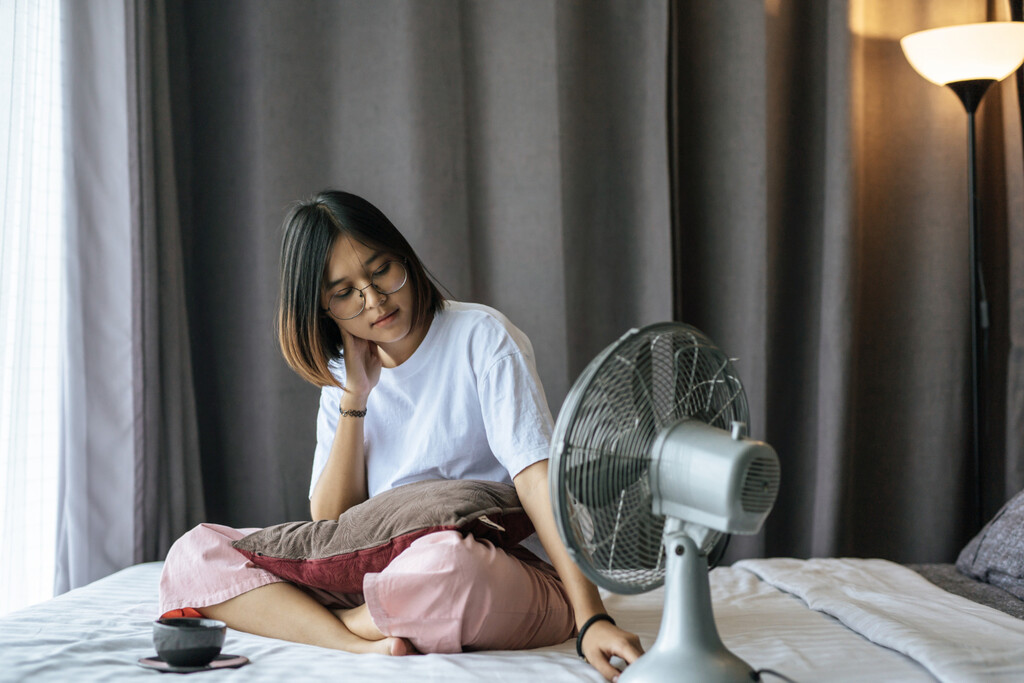
It's often said that any past time was better, usually because we idealize what has already happened. But with heat waves and hot nights, that idea is becoming an undeniable reality. If we think back to our past summer nights, we remember tropical nights, when the temperature doesn't drop below 20°C (68°F), as something occasional. In Spain, at least, they were isolated nights when sleeping was a real challenge. Now, however, they have not only become the norm—making us live glued to the fan—but we have also unlocked two other types of nights: equatorial and infernal.
Find Original Home Decor sparking conversation at Grand Goldman Shop.

The name of the latter gives what it promises. Thanks to global warming, our nights have become an inferno, which, unfortunately, has only just begun. This affects our rest and, as a consequence, our daytime performance and long-term health. It's no small matter, so it's worth looking for methods to sleep despite high nighttime temperatures. But before we see what those methods might be, it's important to start from the beginning and learn what each type of night consists of.
What Are Tropical, Equatorial, and Infernal Nights?
As we've seen, when we talk about hot nights, there are three distinct types. Each is defined by the minimum temperature reached during the night, and each has different implications for comfort and health.
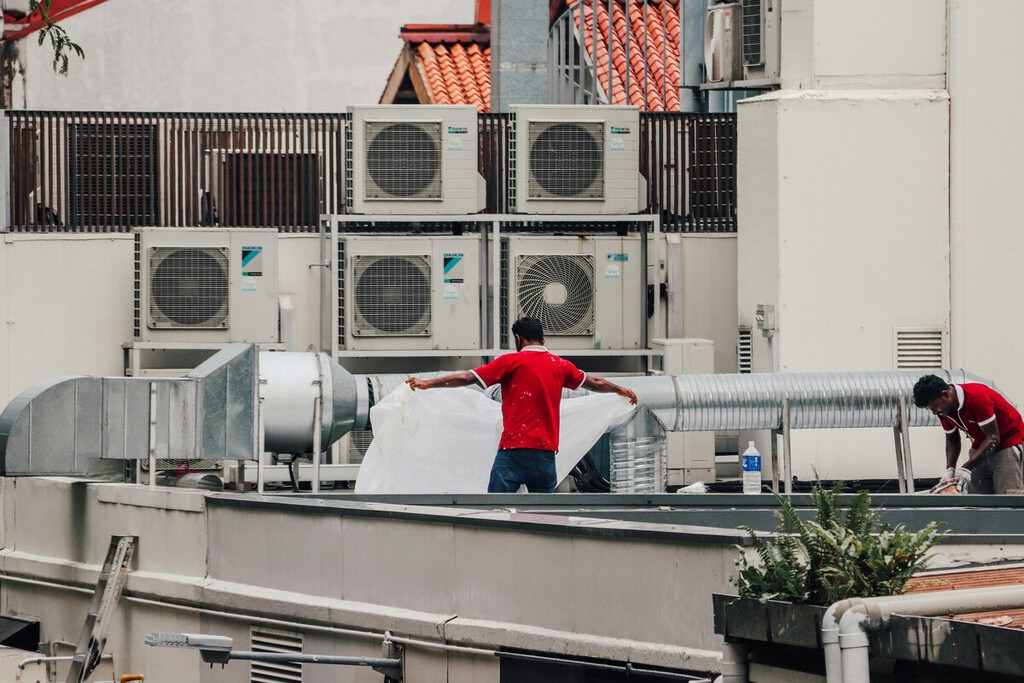
Tropical nights occur when the temperature does not drop below 20°C (68°F). These were once rare in places like Spain but are now increasingly common. They make sleeping without air conditioning or a fan difficult, but they are the mildest of the three.

Equatorial nights are more intense: the temperature stays above 25°C (77°F). These nights are typical of equatorial climates but are now appearing in temperate regions during severe heat waves. They can cause significant discomfort and sleep disruption.
Infernal nights are the most extreme, with temperatures not falling below 30°C (86°F). These are truly oppressive and can be dangerous, especially for vulnerable populations. They are a direct consequence of extreme heat events and are becoming more frequent with climate change.
These categories help meteorologists and health professionals communicate the severity of heat and its potential impact on health. They also serve as a reminder that our nights are getting hotter, and we need to adapt.
Why Hot Nights Disrupt Sleep: The Circadian Rhythm Connection
Our sleep is governed by circadian rhythms, which are 24-hour cycles that regulate various bodily functions, including sleep-wake patterns. These rhythms are influenced by environmental cues, especially light and temperature.
Core body temperature naturally drops in the evening, signaling to the brain that it's time to sleep. When the ambient temperature remains high at night, this cooling process is hindered, making it harder to fall asleep and stay asleep. The result is poorer sleep quality and reduced restorative sleep.
Moreover, high nighttime temperatures can lead to increased awakenings, sweating, and discomfort, all of which fragment sleep. Over time, chronic sleep disruption can contribute to a range of health issues, including impaired cognitive function, mood disorders, and weakened immune response.
Health Risks of Hot Nights
The health risks associated with hot nights extend beyond mere discomfort. Poor sleep can exacerbate existing health conditions and increase the risk of heat-related illnesses.
For instance, people with cardiovascular disease, respiratory conditions, and mental health disorders are particularly vulnerable. The elderly, young children, and those without access to cooling systems are also at higher risk.
Additionally, sleep deprivation can impair judgment and reaction times, leading to increased accident risk. It's clear that hot nights are not just an inconvenience but a public health concern.
How to Sleep Better During Hot Nights
While we can't control the weather, there are strategies to improve sleep during hot nights. Here are some practical tips:
- Use fans and air conditioning: If available, use them to keep the bedroom cool. Even a fan can help circulate air and make you feel more comfortable.
- Choose lightweight bedding: Opt for breathable fabrics like cotton or linen, and use a single sheet instead of heavy blankets.
- Take a cool shower before bed: A lukewarm or cool shower can help lower your core body temperature.
- Stay hydrated: Drink water throughout the day and keep a glass by your bed. Avoid alcohol and caffeine, which can dehydrate you.
- Create cross-ventilation: Open windows on opposite sides of the room to allow air to flow, but be mindful of security and noise.
These measures can help mitigate the effects of hot nights, but they are not a substitute for broader climate action. As nights get hotter, we need to adapt our homes and habits.
Comparison of Night Types
The following table summarizes the key differences between the three types of hot nights: Context on how this played out before sits in Tropical, Equatorial, and Infernal Nights: Why Heat Ruins Sleep.
| Night Type | Minimum Temperature | Typical Regions | Sleep Impact |
|---|---|---|---|
| Tropical | ≥ 20°C (68°F) | Temperate zones during summer | Moderate discomfort, difficulty falling asleep |
| Equatorial | ≥ 25°C (77°F) | Equatorial climates, heat waves in temperate zones | Significant discomfort, frequent awakenings |
| Infernal | ≥ 30°C (86°F) | Extreme heat events | Severe sleep disruption, health risks |
As the table shows, the higher the minimum temperature, the greater the impact on sleep and health. This underscores the importance of addressing climate change to prevent more frequent infernal nights. The background to this story is set out in Valencia's Record-Breaking Tropical Night: 37°C at Midnight. A related thread runs through Energy Utilities: latest articles.
What to Watch Next
The trend is clear: hot nights are becoming more frequent and intense. This has implications for public health, energy demand, and urban planning. Cities need to adapt by creating cooling centers, increasing green spaces, and improving building insulation. Earlier coverage in Spain Heatwaves 2026: Three Waves in Six Weeks Signal Climate Shift shows how the argument developed. A closer look at the same subject appears in Heat Waves Are Reshaping Spain's Tourism Industry Fast.
Individuals can also take steps to reduce their carbon footprint and advocate for policies that mitigate climate change. The more we understand about these night types, the better we can prepare for a hotter future. Anyone following the wider picture can start with Climate Change Crop Losses: $160 Billion Annual Hit by 2100. The same theme surfaces in Extreme Heat Threatens Parmesan Cheese Production in Italy, which takes a different angle.
FAQ
What is a tropical night?
A tropical night is defined as a night when the temperature does not drop below 20°C (68°F). These nights are becoming more common in temperate regions due to global warming and can make sleeping uncomfortable without cooling aids.
How do equatorial nights differ from tropical nights?
Equatorial nights are hotter, with temperatures staying above 25°C (77°F). They are more intense than tropical nights and can cause greater sleep disruption and health risks, especially during heat waves.
Why are hot nights bad for sleep?
Hot nights interfere with the body's natural cooling process, which is essential for sleep. When the ambient temperature remains high, core body temperature doesn't drop as needed, leading to difficulty falling asleep and staying asleep.
What can I do to sleep better on hot nights?
Use fans or air conditioning, choose lightweight bedding, take a cool shower before bed, stay hydrated, and create cross-ventilation in your bedroom. These measures can help reduce discomfort and improve sleep quality.
Browse the Shop
 Acacia frida deluxe solid wood bed frame |
Bedroom bench |
Bed chest drawers |
Lingerie dresser |
Frame base |
Mirror with jewelry storage |
30 Bathroom Vanity |
Memory foam queen mattress |
Mattresses for back pain |
Nightstand set of 2 |
Grand Goldman Shop |
Civil Lawyer
Deutschland Trikot WM 2026







