

Wind turbine blade recycling has long been a challenge for the renewable energy industry, but a new facility in Fairfax, Iowa, is offering a promising solution. REGEN Fiber launched a plant in 2024 that mechanically processes blades into fibers and additives for asphalt and other industrial applications. This development could help close the loop on wind energy's growing waste stream.
Why Wind Turbine Blade Recycling Is So Difficult
Wind turbine blades are engineered to be lightweight, strong, and durable, capable of withstanding decades of harsh weather. These same properties make them notoriously hard to recycle. Traditional recycling methods like melting or chemical breakdown are ineffective or too costly.
Find Original, High-end Home Decor that spark conversation at Grand Goldman Shop.
As a result, most decommissioned blades end up in landfills. With the first generation of wind farms reaching retirement age, the volume of blade waste is expected to surge. The industry needs viable recycling solutions to avoid undermining its green credentials.
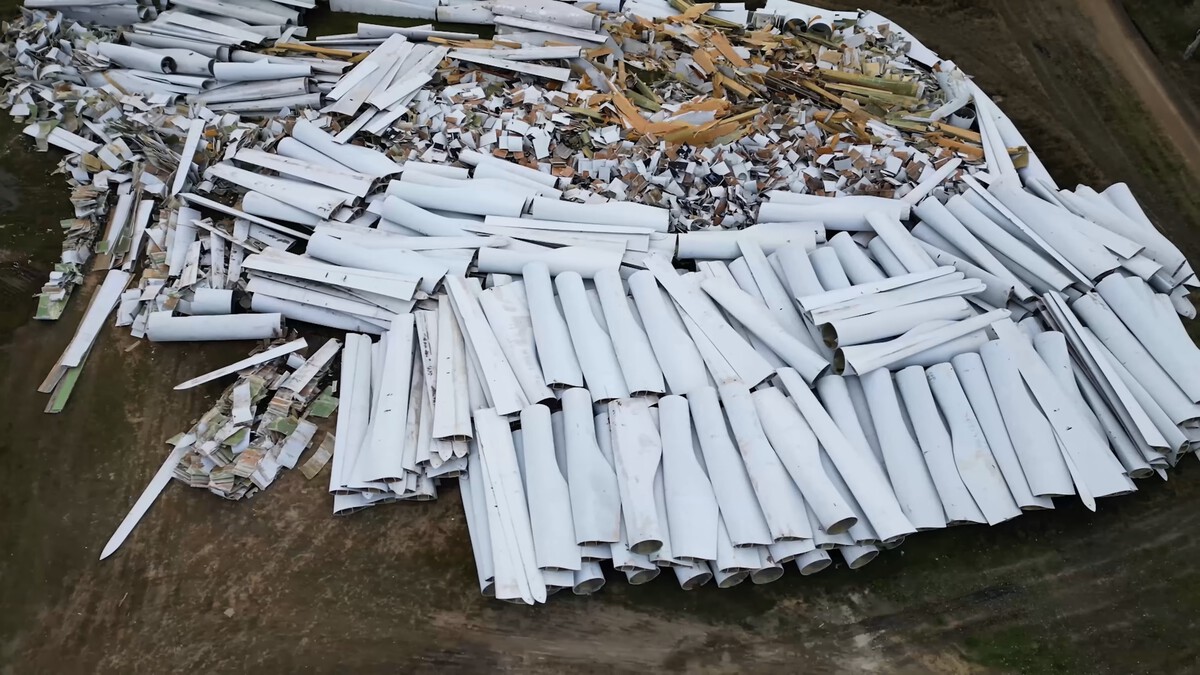
How REGEN Fiber's Mechanical Process Works
REGEN Fiber's approach is purely mechanical—no heat or chemicals are used. The patented process involves multiple stages of size reduction, screening, separation, and classification. This yields distinct material fractions that can be turned into fibers and additives.
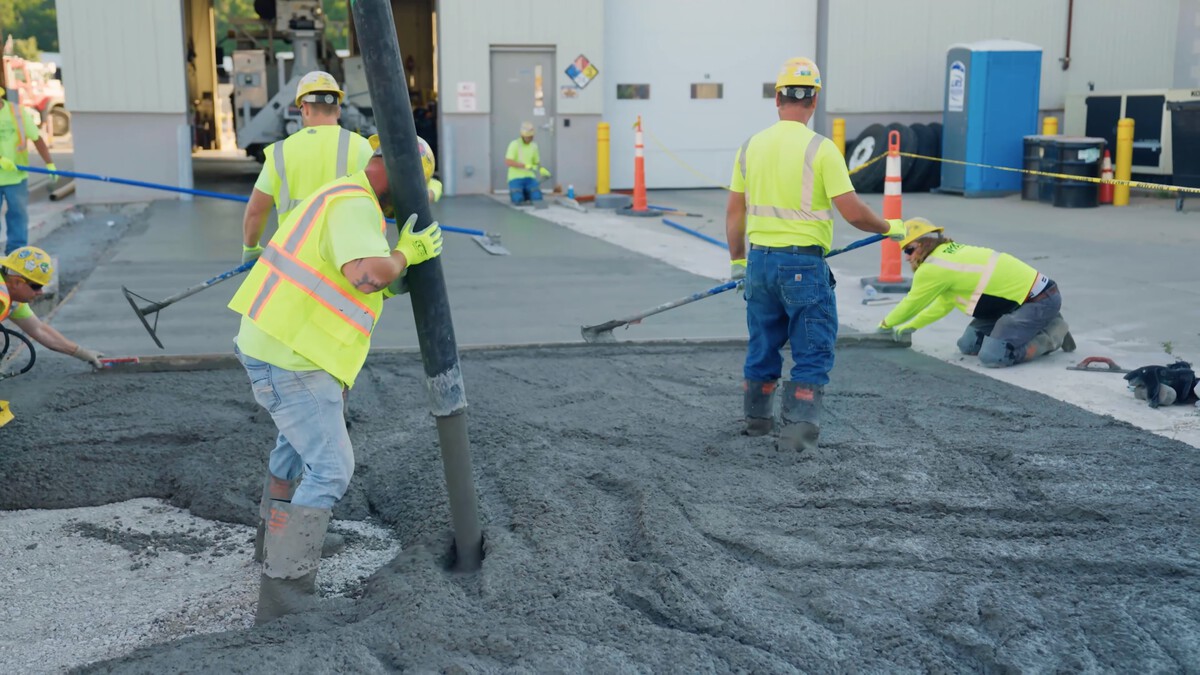
The Iowa plant can process over 27,000 metric tons of blades per year, according to the company. That scale is significant: it demonstrates that mechanical recycling can handle industrial volumes. The output materials are then used in new products, including asphalt for road construction.
From Blades to Asphalt: A Circular Solution
One of the most promising applications for the recycled fibers is asphalt. Adding these fibers can improve the performance and durability of road surfaces. This creates a circular economy for wind turbine blades: instead of becoming waste, they become part of new infrastructure.
Using recycled blades in asphalt also reduces the need for virgin materials, lowering the environmental footprint of road construction. It's a win-win for both the wind industry and the construction sector.
The Growing Problem of Blade Waste
Wind energy is a cornerstone of the global transition to clean power. But as turbines age, blade waste is mounting. According to industry estimates, tens of thousands of blades will be decommissioned in the coming years.
Without recycling, this waste could end up in landfills, creating a reputational risk for the wind industry. REGEN Fiber's plant is one of several efforts to address this. Other companies are exploring chemical recycling and repurposing blades into construction materials like bridges and noise barriers.
- Mechanical recycling avoids energy-intensive processes and chemicals.
- Scalability is proven: the Iowa plant handles 27,000 metric tons annually.
- Asphalt additive is a high-value application for recycled fibers.
- Circular economy helps the wind industry reduce waste and improve sustainability.
- Regulatory pressure may increase as blade waste grows.
What This Means for the Wind Industry
The success of REGEN Fiber's plant could spur further investment in recycling infrastructure. As more wind farms reach end-of-life, demand for blade recycling will rise. Companies that adopt circular practices may gain a competitive edge and strengthen their social license to operate. The background to this story is set out in BYD Blade Batteries Power Industrial Trains in New Deal. A related thread runs through Energy Utilities: latest articles. Earlier coverage in World's Tallest Wind Turbine Hits a Crane Height Problem shows how the argument developed.
However, challenges remain. The economics of recycling must compete with landfilling, which is often cheaper. Policy support, such as landfill bans or recycling mandates, could help level the playing field. A closer look at the same subject appears in South Korea Turns Wet Coffee Grounds Into Coal Alternative. Anyone following the wider picture can start with Kansas Farmer Installs Wind Turbines Among Cows and Strikes It Rich. The same theme surfaces in Coffee Grounds Make Concrete 30% Stronger, Engineers Find, which takes a different angle.
Comparison of Blade Recycling Methods
| Method | Process | Advantages | Challenges |
|---|---|---|---|
| Mechanical (REGEN Fiber) | Size reduction, screening, separation | No heat or chemicals; scalable | Output quality may vary |
| Chemical | Solvolysis, pyrolysis | Can recover high-quality fibers | Energy-intensive; costly |
| Landfill | Disposal | Cheap and simple | Environmental impact; reputational risk |
What to Watch Next
REGEN Fiber's plant is a proof of concept, but broader adoption will depend on market demand for recycled materials and supportive policies. As the wind industry continues to grow, so will the need for sustainable end-of-life solutions. The Iowa facility offers a glimpse of how the circular economy could work for wind energy. Context on how this played out before sits in China's Electric Car Battery Problem: What to Do With Dead Batteries. A companion piece, Wind Turbine Blade Recycling Breakthrough: Blades Turned Into Asphalt, approaches the same subject from another angle.
FAQ
What is wind turbine blade recycling?
Wind turbine blade recycling is the process of recovering materials from decommissioned blades to create new products. It diverts waste from landfills and supports a circular economy.
How does REGEN Fiber's process work?
REGEN Fiber uses a mechanical process that reduces blades in size, screens, separates, and classifies the material. No heat or chemicals are used, and the output includes fibers and additives for asphalt and other applications.
Why is blade recycling important?
Blade recycling is important because wind turbine blades are difficult to recycle and often end up in landfills. As the wind industry grows, recycling helps reduce environmental impact and enhances sustainability.
Can recycled blades be used in asphalt?
Yes, recycled blade fibers can be used as an additive in asphalt, improving road durability and reducing the need for virgin materials. This is a key application for REGEN Fiber's recycled output.
Browse the Shop
 Acacia frida deluxe solid wood bed frame |
Bedroom bench |
Bed chest drawers |
Lingerie dresser |
Frame base |
Mirror with jewelry storage |
30 Bathroom Vanity |
Memory foam queen mattress |
Mattresses for back pain |
Nightstand set of 2 |
Grand Goldman Shop |
Civil Lawyer
Deutschland Trikot WM 2026







