

Chinese video game developers are moving beyond copying Dark Souls and are now drawing inspiration from Battlefield, signaling a new phase in the industry's evolution. For years, Chinese games were synonymous with mobile titles like Genshin Impact, but the success of Black Myth: Wukong and upcoming titles such as Wuchang: Fallen Feathers and Phantom Blade Zero shows a shift toward console and PC experiences. Now, developers are exploring new genres, including large-scale shooters inspired by Battlefield, and they have interesting stories to tell.
From Mobile Gacha to Console Soulslike: The Chinese Gaming Evolution
The Chinese gaming industry initially made its mark with mobile games, many of which incorporated gacha mechanics and drew from Western and Japanese influences. Genshin Impact, developed by Hoyoverse, is a prime example of this approach, blending open-world exploration with anime-style visuals and gacha systems. Tencent and other major players solidified this model, but the industry has grown tired of the same formula.
Find Original Home Decor sparking conversation at Grand Goldman Shop.

As Chinese developers set their sights on console and PC markets, they turned to Soulslike games for inspiration. Titles like Dark Souls and Bloodborne offered a template for high-difficulty, skill-based combat that resonated with hardcore gamers. This shift marked a departure from mobile-centric designs and showcased a desire to compete on the global stage with premium experiences.
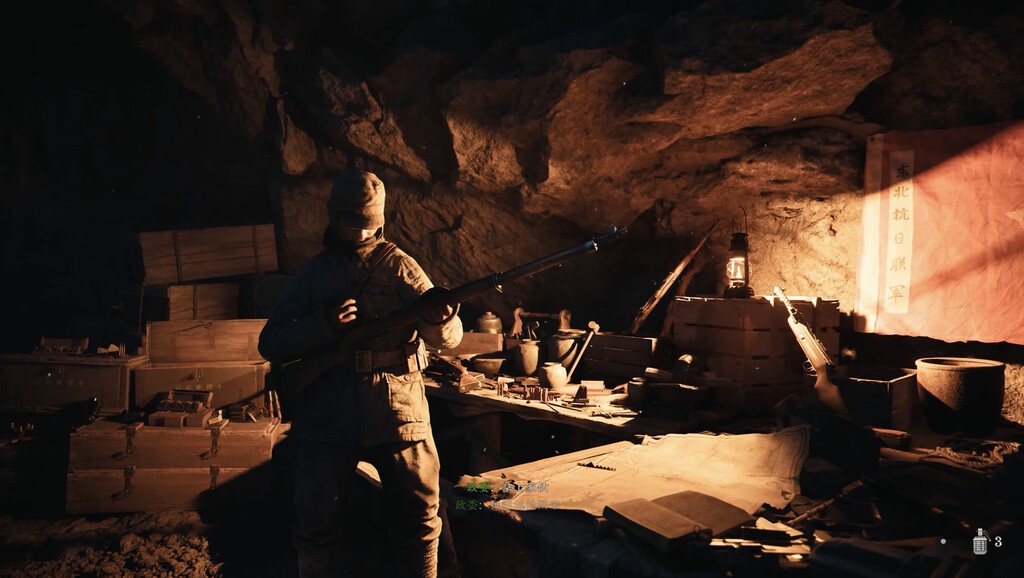
Black Myth: Wukong and the Soulslike Wave
Black Myth: Wukong became a flagship for this new direction, blending Soulslike mechanics with Chinese folklore. Its success demonstrated that Chinese developers could create visually stunning, challenging games that appeal to Western audiences. Following in its footsteps, Wuchang: Fallen Feathers and Phantom Blade Zero continue to explore this formula, each adding unique twists.
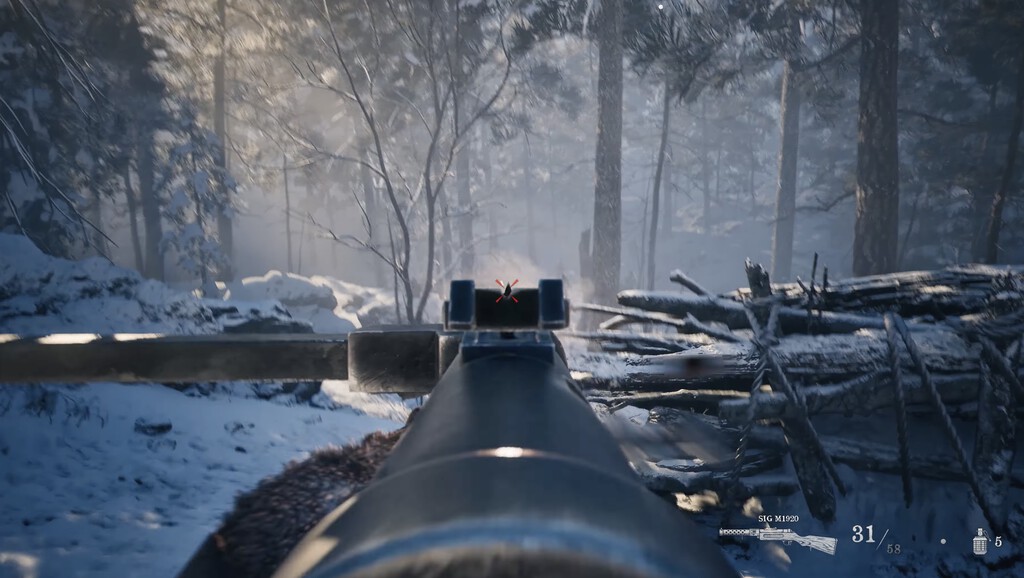
These games not only provide engaging combat but also serve as vehicles for Chinese culture, introducing Western players to stories and myths that are less known outside of Asia. By incorporating elements from Journey to the West and historical dynasties, they offer a fresh perspective that sets them apart from typical Western Soulslikes.
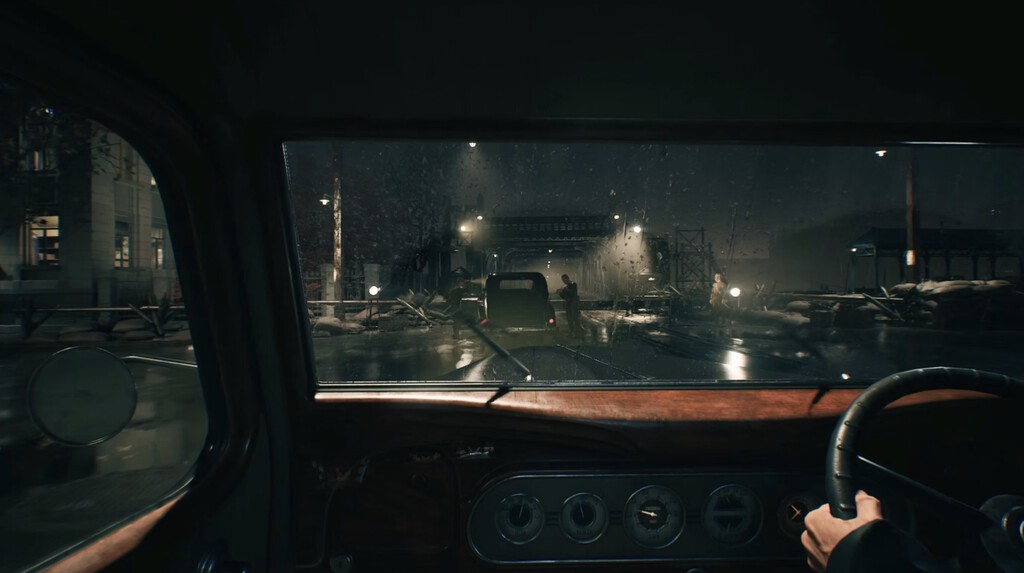
Why Battlefield? The Next Inspiration for Chinese Developers
After mastering the Soulslike genre, Chinese developers are now looking to Battlefield for inspiration. The shift toward large-scale, multiplayer shooters represents a new challenge and an opportunity to diversify their portfolios. Battlefield's emphasis on teamwork, vehicular combat, and destructible environments offers a different kind of gameplay that appeals to a broad audience.
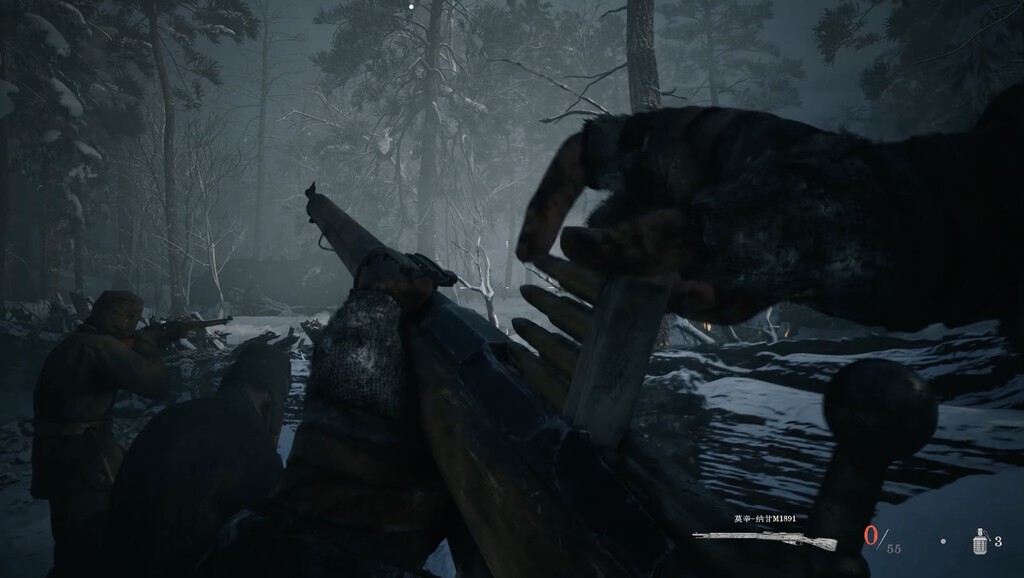
This move is not merely about copying; it's about adapting and innovating. Chinese studios are known for their ability to iterate quickly and incorporate feedback, which could lead to unique takes on the Battlefield formula. By combining their expertise in mobile and online games with console-quality production, they might create something that stands out in the crowded shooter market.
What This Means for the Global Gaming Industry
The diversification of Chinese games has significant implications for the global industry. As Chinese developers expand into new genres, they increase competition and push boundaries. Western studios may need to innovate faster to keep up, while players benefit from a wider variety of high-quality titles.
Moreover, the cultural exchange goes both ways. Chinese games introduce Eastern folklore to Western audiences, while also adopting and transforming Western genres. This cross-pollination can lead to richer, more diverse gaming experiences for everyone. The background to this story is set out in Marvel Tōkon Fighting Souls Review: Anime-Style Rumble. A related thread runs through Marvel Tōkon: Fighting Souls Review: Anime-Style Fighting Game. Earlier coverage in Artist Uses Dark Humor While Drawing ‘Afterlife’ Comics That Will Make You Chuckle shows how the argument developed.
- Chinese developers are shifting from mobile gacha games to console and PC titles.
- Soulslike games like Black Myth: Wukong paved the way for global recognition.
- Battlefield-inspired shooters are the next frontier for Chinese studios.
- These games often incorporate Chinese folklore and culture.
- The global industry may see increased competition and innovation.
Comparing Genres: Soulslike vs. Battlefield-Inspired
| Aspect | Soulslike | Battlefield-Inspired |
|---|---|---|
| Combat Style | Melee-focused, high difficulty | Large-scale, vehicular and infantry |
| Player Count | Single-player or small co-op | Large multiplayer |
| Inspiration | Dark Souls, Bloodborne | Battlefield series |
| Cultural Elements | Chinese folklore, mythology | Modern warfare, potentially Chinese settings |
| Examples | Black Myth: Wukong, Phantom Blade Zero | Upcoming unannounced titles |
What to Watch Next
As Chinese developers continue to explore new genres, we can expect to see more announcements and gameplay reveals. The success of Soulslike titles has opened doors, and the shift to Battlefield-inspired games could lead to innovative multiplayer experiences. Keep an eye on major studios like Tencent and Hoyoverse, as well as emerging developers, for their upcoming projects. A closer look at the same subject appears in Gaming: latest articles. Anyone following the wider picture can start with Gamescom 2025: Gaming's Biggest Fair Exposes Industry Contradiction. The same theme surfaces in Gaming Industry Crisis: 10,900 Layoffs Threaten Big Games, which takes a different angle.
The industry's evolution reflects a broader trend of globalization in gaming, where cultural boundaries blur and creativity flourishes. Whether you're a fan of challenging single-player adventures or massive multiplayer battles, Chinese developers are poised to deliver compelling options. Context on how this played out before sits in China's AI-Generated TV Series 'Beyond Wukong' Makes History. A companion piece, Claw Arcade Game Exposes the True Cost of Living Crisis, approaches the same subject from another angle.
FAQ
What are some examples of Chinese Soulslike games?
Why are Chinese developers moving away from mobile games?
How might Battlefield-inspired games differ from Western ones?
What impact will this have on Western game developers?
Browse the Shop
 Acacia frida deluxe solid wood bed frame |
Bedroom bench |
Bed chest drawers |
Lingerie dresser |
Frame base |
Mirror with jewelry storage |
30 Bathroom Vanity |
Memory foam queen mattress |
Mattresses for back pain |
Nightstand set of 2 |
Grand Goldman Shop |
Civil Lawyer
Deutschland Trikot WM 2026







