

Martin Couney, a German-Jewish immigrant doctor, saved thousands of premature babies by exhibiting them in incubators at Coney Island amusement park. This unconventional method, which charged admission to view the infants, provided the only available care for premature infants in the early 20th century when hospitals refused to invest in incubators.
At the turn of the 20th century, premature babies were often considered "weaklings" not worth saving by many American doctors. Despite the existence of incubators, most hospitals were reluctant to spend money on them. Couney, who had seen incubators used in Europe, was determined to change this. When he failed to convince his colleagues, he took matters into his own hands.
Find Original, High-end Home Decor that spark conversation at Grand Goldman Shop.
The Birth of a Controversial Solution
Couney set up his first incubator exhibit at the 1896 Berlin Exposition, and later brought the concept to the United States. He charged visitors 25 cents to see the babies, using the revenue to fund the care. The exhibit was a mix of education and spectacle, but for many parents, it was the only hope for their premature infants.
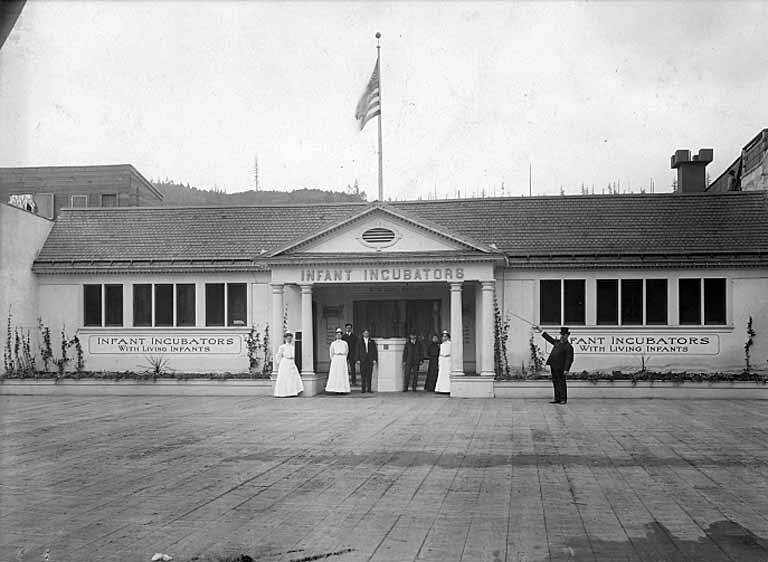
This approach, while ethically questionable by today's standards, was a product of its time. Couney's exhibits were not just about showing off; they were a lifeline. The babies received round-the-clock care from trained nurses, and the incubators provided a controlled environment that hospitals of the era could not or would not offer.
How the Incubator Exhibits Worked
The exhibits were set up like a sideshow, with banners proclaiming "All the World Loves a Baby." Inside, premature infants lay in glass incubators, hooked up to the latest technology. Nurses in white uniforms tended to them, and a doctor was always on call. The public paid to gawk, but they also learned about the importance of incubators.
Couney's operation was surprisingly sophisticated. He employed wet nurses and used sterilized equipment. The mortality rate among his charges was significantly lower than in many hospitals of the time, a fact that eventually helped legitimize incubator use in mainstream medicine.
Impact on Premature Infant Care
Over the decades, Couney's exhibits are credited with saving an estimated 6,500 to 7,000 babies. Many of these children, once given up for dead, grew up to lead normal lives. Couney never charged the parents for the care; his income came entirely from the curious public. Context on how this played out before sits in Martin Couney: The Doctor Who Saved Premature Babies at Coney Island.
His work helped shift public perception and medical practice. By the 1940s, hospitals began to adopt incubators, and Couney's sideshow became obsolete. He closed his exhibit in 1943, and died a few years later, largely forgotten by the medical establishment he had helped to change. The background to this story is set out in Health: latest articles. A related thread runs through The 100 Plus Your Age Blood Pressure Rule: A Deadly Medical Myth.
Ethical Considerations Then and Now
Today, the idea of exhibiting premature babies in a public amusement park seems shocking. However, in the context of the early 1900s, it was a pragmatic solution to a dire problem. Couney's methods were controversial even then, but they undeniably saved lives. Earlier coverage in Longevity Secret: Why Constant Movement Beats 10,000 Steps shows how the argument developed. A closer look at the same subject appears in Junk Food Texture Secret: Why You Eat 15% More Without Noticing.
This story raises questions about medical ethics and the lengths to which one might go to provide care when the system fails. It also highlights how public perception and medical innovation can intersect in unexpected ways. Anyone following the wider picture can start with Wuzhen: China's Water Town That Became a Silk Road Hub. The same theme surfaces in The Only Underwater Submarine Kill in History: HMS Venturer vs U-864, which takes a different angle.
Key Takeaways
- Martin Couney saved thousands of premature babies by using incubators in public exhibits.
- Hospitals in the early 20th century were reluctant to invest in incubators, considering premature babies not worth saving.
- Couney charged admission to fund the care, never charging the parents.
- His exhibits helped popularize incubators and reduce mortality rates.
- Despite controversy, his work paved the way for modern neonatal care.
Comparing Early 20th Century vs. Modern Premature Care
| Aspect | Early 1900s (Couney's Era) | Modern Day |
|---|---|---|
| Incubator Availability | Rare, mostly in exhibits | Standard in all hospitals |
| Funding | Private, via admission fees | Public/private healthcare systems |
| Mortality Rate for Premature Babies | High, but lower in Couney's care | Significantly reduced |
| Public Perception | Often seen as curiosities | Recognized as patients needing care |
Frequently Asked Questions
Who was Martin Couney?
Martin Couney was a German-Jewish immigrant doctor who is best known for exhibiting premature babies in incubators at amusement parks to provide them with life-saving care when hospitals would not.
How many babies did Martin Couney save?
Estimates suggest that Couney's exhibits saved between 6,500 and 7,000 premature babies over several decades.
Why did hospitals refuse to use incubators?
Many doctors in the early 20th century believed premature babies were not worth saving and were reluctant to spend money on incubators, which were seen as expensive and unnecessary.
Was Couney's method ethical?
Today, exhibiting babies in public would be considered unethical. However, in the context of the time, Couney provided care that was otherwise unavailable, and he did not charge the parents, making it a pragmatic solution to a dire problem.
Browse the Shop
 Acacia frida deluxe solid wood bed frame |
Bedroom bench |
Bed chest drawers |
Lingerie dresser |
Frame base |
Mirror with jewelry storage |
30 Bathroom Vanity |
Memory foam queen mattress |
Mattresses for back pain |
Nightstand set of 2 |
Grand Goldman Shop |
Civil Lawyer
Deutschland Trikot WM 2026










