

Raw milk, the unpasteurized beverage that Erling Haaland reportedly drinks, is legal and regulated in some regions, but it can still become a serious problem in your kitchen. After watching Haaland's performance in the World Cup, many people want to emulate the Norwegian footballer. Some traits, like his nearly two-meter height, are innate. Others, like his football skills, require training and natural talent. What we can try to copy is his diet to become equally strong. That's why many media outlets have covered his eating habits, which include foods like sourdough bread, eggs, coffee, and raw milk. Yes, raw milk.
The footballer is not doing anything illegal, of course. He buys raw milk from farms authorized to sell this beverage, which he calls a superfood. The problem is that even if purchased from authorized establishments, raw milk can be very dangerous. It must be handled at home following specific safety measures that are not always easy to achieve. If not done properly, an innocent glass of milk can become a food time bomb. That's why, before increasing the hype around these foods by announcing them as part of celebrities' diets, we should clarify these measures.
Find Original Home Decor sparking conversation at Grand Goldman Shop.

What Is Raw Milk and Why Is It Risky?
Raw milk is milk that has not undergone pasteurization to eliminate contamination by potential pathogenic microorganisms. That's why its consumption carries inherent risks. Pasteurization is a heat treatment that kills harmful bacteria such as Salmonella, E. coli, and Listeria. Without it, these pathogens can survive and multiply, leading to foodborne illnesses.
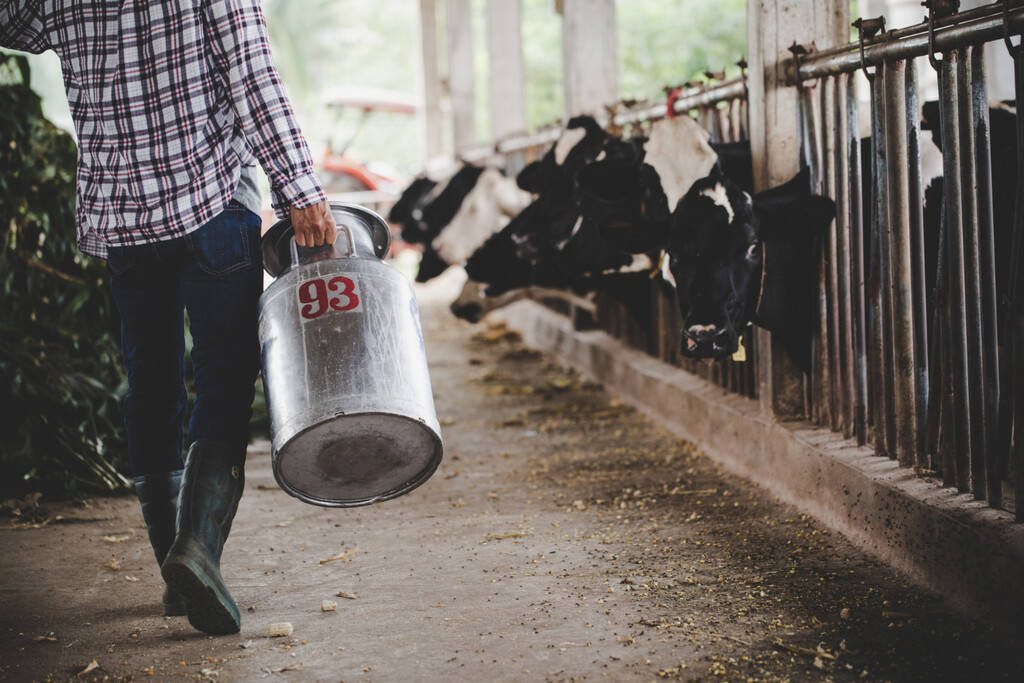
Even milk from healthy animals can be contaminated during collection, storage, or transportation. The risk is not eliminated by buying from authorized farms; it merely reduces the likelihood of gross negligence. Consumers must still handle the product with care.

Regulations and Legal Status
In many countries, raw milk sales are heavily regulated or outright banned. In the European Union, for example, raw milk can be sold directly to consumers by farms that meet strict hygiene standards, but it must be clearly labeled and accompanied by health warnings. In the United States, federal law prohibits interstate sale of raw milk, though some states allow intrastate sales.
The key point is that legality does not equal safety. Regulations aim to minimize risk, but they cannot eliminate it entirely. Consumers must take responsibility for proper handling.
Safe Handling Practices for Raw Milk
If you choose to consume raw milk, following strict safety measures is crucial. Here are the key steps:
- Keep it refrigerated: Store raw milk at or below 4°C (39°F) at all times.
- Use clean containers: Transfer milk to sanitized glass or food-grade plastic containers.
- Boil before drinking: Many experts recommend boiling raw milk at home to kill pathogens, though this changes its taste and nutritional profile.
- Consume quickly: Raw milk spoils faster than pasteurized milk; use it within a few days.
- Avoid serving to vulnerable groups: Children, pregnant women, the elderly, and immunocompromised individuals should avoid raw milk entirely.
Nutritional Comparison: Raw vs. Pasteurized Milk
Proponents of raw milk claim it has superior nutritional benefits, but scientific evidence is limited. Here's a comparison of key components:
| Component | Raw Milk | Pasteurized Milk |
|---|---|---|
| Pathogen Risk | High | Low |
| Vitamin C | Slightly higher | Reduced by heat |
| Probiotics | Present | Killed by heat |
| Shelf Life | Short (3-5 days) | Longer (7-14 days) |
| Legal Status | Regulated | Widely legal |
While raw milk may retain some heat-sensitive nutrients, the risk of severe illness often outweighs the marginal benefits. Pasteurized milk is a safer choice for most people. The longer history behind the story is traced in Raw Milk Like Haaland Drinks: Safe or Risky.
Who Should Avoid Raw Milk?
Certain groups are at higher risk of severe complications from foodborne infections. These include young children, pregnant women, older adults, and anyone with a weakened immune system. For them, raw milk is not worth the risk. The background to this story is set out in Raw Milk Ban Urged by Pediatricians as Popularity Soars. A related thread runs through Tinned Fish Mercury Risks: Safe Eating and Expert Answers. Earlier coverage in FDA Proposed Food Ingredient Rule: What It Means for Safety shows how the argument developed.
Even healthy adults can fall ill. Symptoms of food poisoning include nausea, vomiting, diarrhea, and fever, which can lead to dehydration and hospitalization in severe cases. A closer look at the same subject appears in Surrogacy Risks: Why Regulation Cannot Make It Safe or Ethical. Anyone following the wider picture can start with Safest Way to Defrost Chicken: Food Safety Questions Answered. The same theme surfaces in Health: latest articles, which takes a different angle.
What to Watch Next
As celebrity endorsements of raw milk increase, public health authorities may need to reinforce education about its risks. Consumers should stay informed and prioritize safety over hype. If you're curious about raw milk, consult local regulations and always follow proper handling guidelines. Context on how this played out before sits in Bucharest Tourists Risk Collapse in Illegal Earthquake-Risky Rent. A companion piece, Food and Cosmetic Additives Under Scrutiny: What Science Says About Health, approaches the same subject from another angle.
FAQ
Is raw milk legal?
In many places, raw milk is legal but regulated. For example, in the EU, it can be sold directly from farms with strict hygiene standards, while in the US, interstate sale is banned. Always check local laws.
Can raw milk make you sick?
Yes, raw milk can contain harmful bacteria like Salmonella, E. coli, and Listeria, which can cause severe illness. Proper handling reduces but does not eliminate the risk.
Is raw milk more nutritious than pasteurized milk?
Raw milk may retain slightly more heat-sensitive vitamins and probiotics, but the nutritional differences are minimal. Pasteurized milk is safer and provides similar overall nutrition.
How should I handle raw milk at home?
Keep it refrigerated, use clean containers, and consider boiling it before consumption. Avoid serving it to vulnerable groups and consume it quickly.
Browse the Shop
 Acacia frida deluxe solid wood bed frame |
Bedroom bench |
Bed chest drawers |
Lingerie dresser |
Frame base |
Mirror with jewelry storage |
30 Bathroom Vanity |
Memory foam queen mattress |
Mattresses for back pain |
Nightstand set of 2 |
Grand Goldman Shop |
Civil Lawyer
Deutschland Trikot WM 2026







