

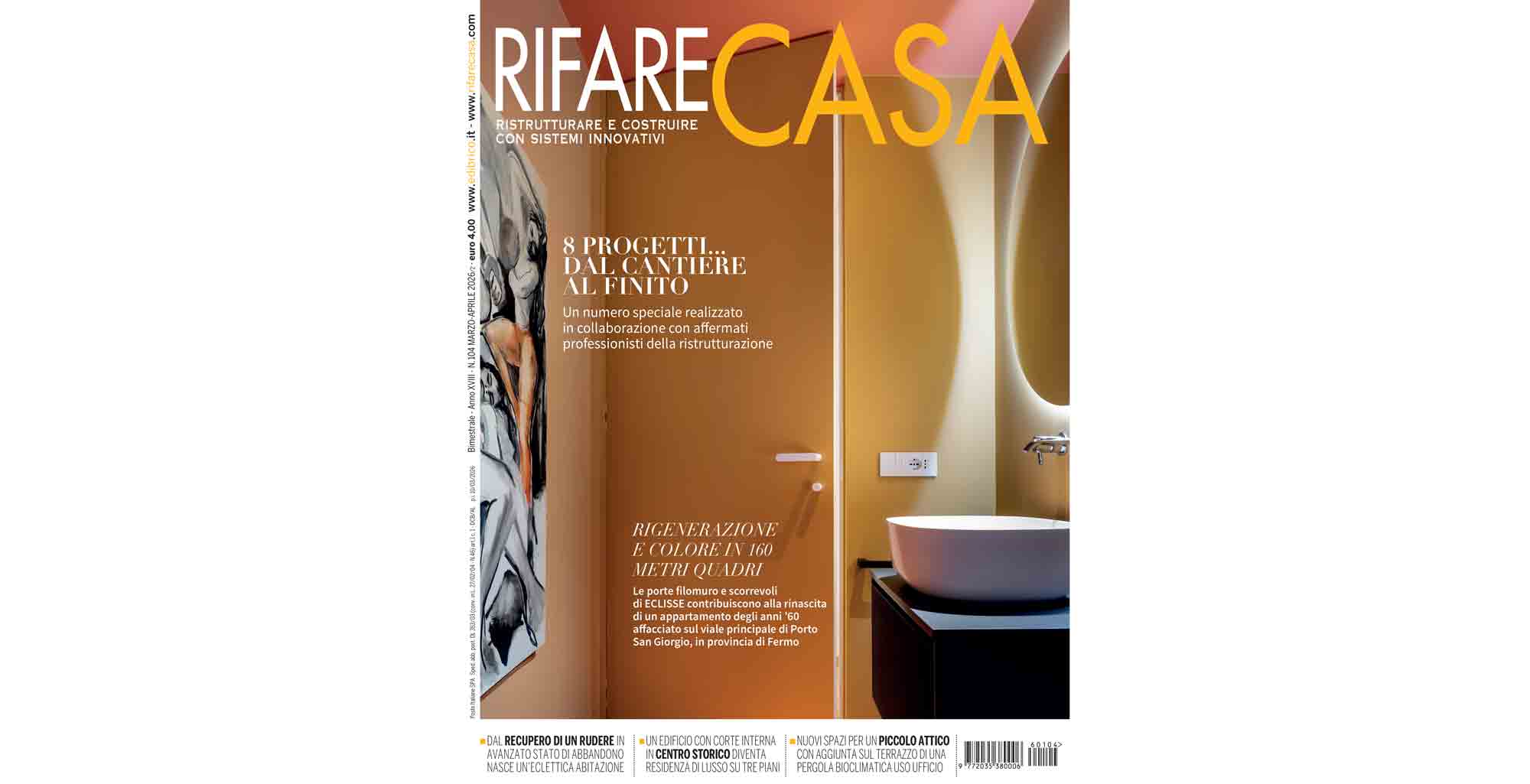
Translated from "Rifare Casa n.104 – March/April 2026" by Nicla de Carolis. This issue is entirely dedicated to renovation projects curated by architects, offering a broad overview of cases, documenting the work photographically, the before and after of various rooms following this functional/aesthetic treatment. The work of an architect is quite complex but very useful for keeping a steady hand during a renovation, avoiding mistakes ranging from a lack of style definition to poor management of spaces and systems, and finally to a failure to plan the arrangement of what will make the home precious and unique: the choice and placement of works of art. Here, collaboration between architect and artist is important, aimed at creating a total work of art; examples of this in recent history range from Le Corbusier and Picasso to Walter Gropius and artists like Kandinsky and Klee, to Gio Ponti and Lucio Fontana, to name but a few. When renovating a house with an architect, you can also do without an interior designer because the architect is a professional capable of managing the whole with an aesthetic as well as a technical vision. They plan everything upstream and know that the decorative part should not be left to chance and extemporaneous decisions; they immediately establish precise guidelines, even if adjustments may be made in the final phase. Particularly representative of this way of working is the project by architect Sammarro from page 54, where you can clearly understand how the choice of colors, materials, and paintings on the walls can make the difference, creating priceless views of the house, the result of long experience in aesthetic research. To be able to enjoy spaces that totally satisfy the eye, it is not necessary to be an art collector; you must rely on passionate and capable professionals; in these pages you will find several and many others on our website rifarecasa.com, in the section dedicated to architects.
Starting Your Renovation: The Demolition Phase
Before you can hang a single piece of art, the old must often make way for the new. Demolition is a messy but necessary first step. Whether you are knocking down a wall to create an open-plan living area or stripping back a bathroom to its studs, having the right home improvement tools and supplies is critical. From sledgehammers and pry bars to heavy-duty safety gear, a well-stocked toolkit ensures the job is done efficiently and safely. For larger debris and materials, consider renting a dumpster or using heavy-duty bags designed for construction waste.
Find Bleeding Edge Supplements at Scandalous Prices on iHerb.

Structural Changes & New Spaces
Once the demolition dust settles, the real transformation begins. This is the phase where you reconfigure spaces to better suit your lifestyle. Adding a new window for natural light, moving a doorway, or opening up the kitchen to the dining room are all structural changes that require careful planning. For the kitchen, you might consider a new kitchen island or cart to serve as a central hub for both cooking and casual dining. In the dining area, selecting the perfect dining table anchors the room and provides a surface for gatherings and, yes, even displaying a small sculpture or vase.
Lighting: Setting the Stage for Art
Lighting is one of the most crucial elements in showcasing art and creating the right atmosphere in a renovated home. An architect will plan for a layered lighting scheme that includes ambient, task, and accent lighting. Track lighting or picture lights are perfect for highlighting a canvas, while dimmable recessed lights offer flexibility. Don’t forget the impact of a stunning chandelier or pendant light as a sculptural element itself. Browse a wide selection of indoor lighting fixtures to find the perfect pieces for every room, from the kitchen to the hallway. For outdoor spaces that extend your living area, consider outdoor lighting to illuminate a garden path or a piece of outdoor art.
Furnishing the New Layout
With the structural work complete and the lighting planned, it’s time to furnish the space. The choice of furniture should complement the architecture and provide a neutral or complementary backdrop for your art collection. A comfortable sofa in a neutral tone can be the perfect counterpoint to a vibrant abstract painting. In the bedroom, the bed becomes the centerpiece, and the wall above it is prime real estate for a statement piece. For a home office, a functional desk or work surface paired with an ergonomic office chair creates a productive environment where you can also display smaller artworks or inspiring prints.
Finishing Touches: Walls, Floors, and Décor
The final layer of a renovation involves the decorative finishes that tie everything together. This is where your personality truly shines. Paint colors, wallpaper, flooring, and textiles all play a role. Consider adding texture and warmth with area rugs that define zones within an open floor plan. Dress your windows with curtains that frame the view and control light. For the walls, a carefully curated gallery wall or a single oversized piece can transform a room. Use wall decor to create focal points. A well-placed mirror can also act as an artwork, reflecting light and making a space feel larger. In the bathroom, a stylish bathroom vanity serves both function and form.
Outdoor Living: Extending the Renovation
A renovation doesn't have to stop at the back door. Creating a seamless transition between indoors and out is a popular trend. A pergola or gazebo can define an outdoor room, perfect for dining and entertaining. Furnish it with comfortable outdoor patio furniture and add outdoor decor for personality. For those with a green thumb, a greenhouse or shed provides practical storage and a dedicated space for gardening. And of course, no outdoor space is complete without a BBQ grill or outdoor cooking supplies for summer gatherings. For cooler evenings, an outdoor heater extends the season.
Placing the Art: The Final Act
As the article from Rifare Casa emphasizes, the placement of art is the final, crucial step that brings a renovated home to life. It is the culmination of all the planning and hard work. Whether it's a painting, a sculpture, or a family photograph, the way you display it should feel intentional. Use picture rails, floating shelves, or a dedicated gallery wall. The bookcases and shelving units can also be used to display smaller objects and framed photos. A display shelf or etagere is perfect for a curated collection. Remember, the goal is to create a home that is not just renovated, but truly personalized and inspiring.
Frequently Asked Questions (FAQ)
1. Do I need an architect for a major renovation?
While not always legally required for all projects, hiring an architect is highly recommended for major structural changes, additions, or full-home renovations. An architect brings a holistic vision, manages technical details like permits and structural integrity, and can help you avoid costly mistakes. They also coordinate with contractors and ensure the final result aligns with your aesthetic and functional goals.

2. How do I choose the right lighting for my art?
The best lighting for art is layered and adjustable. Use a combination of ambient lighting (like recessed lights), task lighting (for reading or work areas), and accent lighting (like track lights or picture lights) specifically aimed at the artwork. LED lights with a high Color Rendering Index (CRI) of 90 or above will accurately display the colors of your art. Dimmers are essential for controlling the intensity.
3. What is the best way to plan the placement of art during a renovation?
Plan the placement of art early in the renovation process, ideally with your architect. Consider sightlines from key areas like the entryway, living room seating, and dining table. Decide on the size and scale of the pieces you want to hang. This will influence decisions about wall placement, lighting, and even the color palette of the room. It's much easier to install picture lights and reinforce walls for heavy pieces before the drywall is finished.
4. Can I mix different styles of furniture and art?
Absolutely. Mixing styles, such as a modern sofa with a vintage rug or a classic painting in a contemporary home, can create a dynamic and personal space. The key is to find a unifying element, such as a consistent color palette, a similar material, or a balanced proportion. An architect or designer can help you create a cohesive look that feels intentional rather than chaotic.
5. What are the most important rooms to focus on in a renovation?
While every room matters, the kitchen and bathrooms typically offer the highest return on investment and have the most impact on daily life. The living room and primary bedroom are also crucial for comfort and relaxation. However, a well-planned renovation considers the flow and function of the entire home, ensuring that each space works harmoniously with the others.
- For all your garden supplies and outdoor projects, GrandGoldman has you covered.
- Complete your bedroom makeover with a new mattress for ultimate comfort.
- Add functional storage with storage benches for entryways or living rooms.
- Organize your media with a TV entertainment furniture unit.
- Find the perfect nightstands and dressers for your bedroom.
Browse Grand Goldman Home Decor
Discover unique craftsmanship home decor and furniture at the Grand Goldman Shop.
Best Products We’ve Tested and Rated

Our testing team has hands-on reviews of shorts men, balls seniors, irons seniors, driver beginners, and rangefinder money. Every option below was compared across price, build quality, and real-world performance, with honest pros and cons. We update these guides regularly as new models arrive, so the recommendations stay current.
Our testing team has hands-on reviews of shoes walking, hybrid clubs, clubs beginners, clubs seniors, and shirts men. Every option below was compared across price, build quality, and real-world performance, with honest pros and cons. We update these guides regularly as new models arrive, so the recommendations stay current.
Browse the Shop
 Acacia frida deluxe solid wood bed frame |
Bedroom bench |
Bed chest drawers |
Lingerie dresser |
Frame base |
Mirror with jewelry storage |
30 Bathroom Vanity |
Memory foam queen mattress |
Mattresses for back pain |
Nightstand set of 2 |
Grand Goldman Shop |
Civil Lawyer
Deutschland Trikot WM 2026
Acacia frida deluxe solid wood bed frame |
Bedroom bench |
Bed chest drawers |
Lingerie dresser |
Frame base |
Mirror with jewelry storage |
30 Bathroom Vanity |
Memory foam queen mattress |
Mattresses for back pain |
Nightstand set of 2 |
Grand Goldman Shop |
Civil Lawyer
Deutschland Trikot WM 2026










