

Apple has moved to lock down NAND memory supplies ahead of the iPhone 18 Pro launch, signing a long-term agreement with a South Korean supplier. The deal aims to secure storage components for its flagship device, but the company remains exposed to short-term market pressures that could still affect pricing and availability.
The news comes as Apple prepares for its major September event, where the iPhone 18 Pro, a new Apple Watch, and the rumored iPhone Ultra are expected to debut. While a new foldable category would normally be cause for celebration, leaks and rumors point to nervousness behind the scenes at Apple.
Find Original Home Decor sparking conversation at Grand Goldman Shop.

Why Apple Is Securing NAND Memory Now
The global memory market has been in turmoil, with DRAM and NAND flash shortages affecting device makers across the board. Earlier this year, reports surfaced that Apple had $1 billion tied up because TSMC couldn't finish assembling chips due to a lack of DRAM. That backlog underscored how vulnerable even the world's most valuable company is to supply chain disruptions.
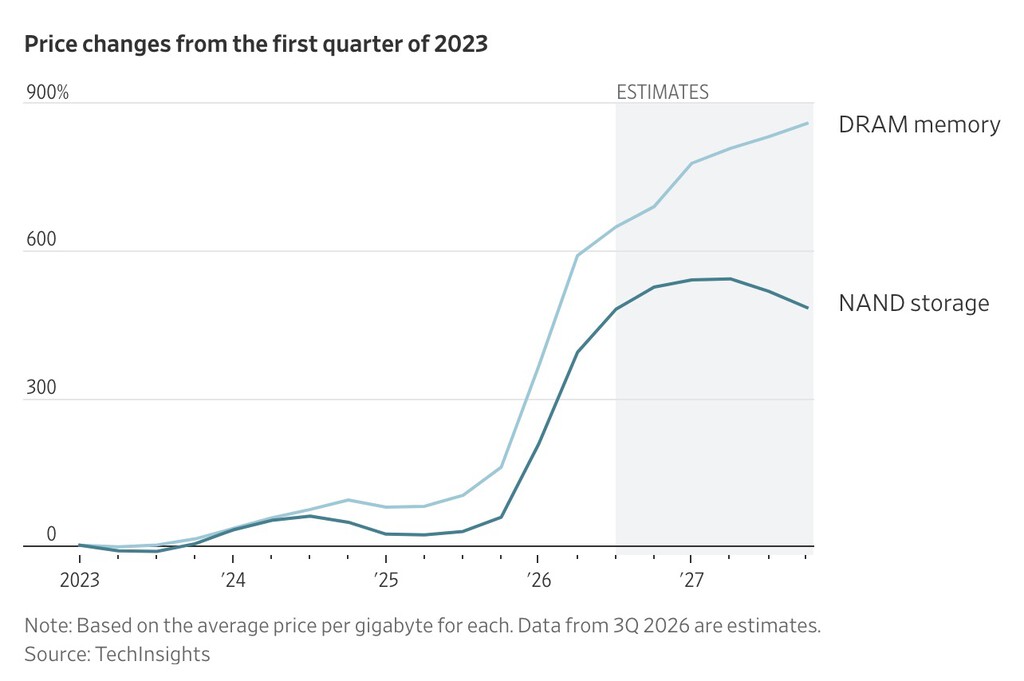
NAND memory, used for storage in iPhones, Macs, and other devices, has been particularly tight. By signing a long-term agreement with a South Korean supplier, Apple is trying to shield its most important product—the iPhone—from the worst of the shortage. The iPhone is Apple's star hardware, and ensuring ample memory for it is a top priority.

However, locking in supply doesn't fully insulate Apple from market forces. Short-term price swings and demand spikes can still pressure costs, and those pressures may eventually reach consumers.
What This Means for iPhone 18 Pro Pricing
Memory costs have already impacted nearly every Apple device, and the new iPhones are expected to feel the pinch. While Apple might absorb some costs on lower-volume products like the Mac Mini or Mac Studio, the iPhone's massive scale makes it a different story.
Analysts speculate that the iPhone 18 Pro could see a price increase if memory prices remain elevated. The long-term NAND deal provides some stability, but it doesn't guarantee that Apple can avoid passing on costs. Consumers should brace for potentially higher prices, especially for higher-storage models.
Apple's move is a strategic bet that securing supply now will prevent worse disruptions later. But the company is playing a delicate balancing act between protecting margins and keeping the iPhone affordable.
The Bigger Picture: Supply Chain Challenges
Apple's supply chain woes are part of a broader industry problem. The pandemic, geopolitical tensions, and soaring demand for electronics have strained global semiconductor and memory production. Companies like TSMC and memory makers are investing billions in new capacity, but those efforts take years to materialize.
In the meantime, Apple is diversifying its suppliers and signing long-term deals to mitigate risk. The NAND agreement with the South Korean firm is one such move, but it's not a silver bullet. Market volatility remains a wild card.
For Apple, the stakes are high. The iPhone accounts for more than half of its revenue, and any hiccup in supply or pricing could ripple through the entire business. The company's ability to navigate these challenges will be closely watched by investors and consumers alike.
What to Watch Next
As the September event approaches, keep an eye on official announcements regarding iPhone 18 Pro pricing and storage options. Any indication of price hikes will confirm that memory costs are indeed biting. Also, watch for updates on Apple's other products—the Apple Watch and the rumored foldable—which may also be affected by component shortages. The background to this story is set out in iPhone 18 Pro and iPhone Duo: Lexus Partners Q&A on September 28. A related thread runs through Apple Event Recap: Foldable iPhone and iPhone 18 Pro Revealed. Earlier coverage in Apple Event Recap: iPhone Duo, iPhone 18 Pro, Watch Series 12 shows how the argument developed.
Beyond Apple, the memory market's trajectory will impact the entire tech industry. If shortages persist, we could see higher prices across smartphones, laptops, and other devices. Conversely, if supply catches up with demand, relief may be on the horizon. A closer look at the same subject appears in Apple Foldable iPhone Price: $2,199 to Nearly $3,000. Anyone following the wider picture can start with iPhone 18 Pro and 18 Pro Max Preorders in Spain: Where to Buy Today. The same theme surfaces in iPhone 18 Pro and iPhone Duo: Inside Apple's Latest Launch, which takes a different angle.
Apple's long-term NAND deal is a proactive step, but it's not a guarantee of smooth sailing. The company remains at the mercy of market forces, and consumers should prepare for potential sticker shock. Context on how this played out before sits in iPhone 18 Pro Max vs iPhone 17 Pro Max: Key Upgrades Compared. A companion piece, Apple 'Welcome Home' Event: Smart Home Devices Expected, approaches the same subject from another angle.
FAQ
What is NAND memory and why does it matter for the iPhone 18 Pro?
NAND memory is the flash storage used in iPhones to store apps, photos, and data. Securing enough NAND is critical for Apple to meet demand for the iPhone 18 Pro without delays or price hikes.
Will the iPhone 18 Pro be more expensive due to memory shortages?
It's possible. While Apple's long-term NAND deal provides some stability, short-term market pressures could still lead to higher prices, especially for higher-storage models. Apple has not confirmed pricing yet.
How does this affect other Apple products like the Mac?
Memory shortages have already impacted Macs, with reports of $1 billion in unfinished chips due to DRAM shortages. Apple may prioritize iPhone memory allocation, potentially leading to longer wait times or higher prices for Macs.
What can consumers do to prepare?
Consumers should budget for a possible price increase and consider whether they need the highest storage tier. Waiting for official announcements and reviews can help make an informed decision.
Browse the Shop
 Acacia frida deluxe solid wood bed frame |
Bedroom bench |
Bed chest drawers |
Lingerie dresser |
Frame base |
Mirror with jewelry storage |
30 Bathroom Vanity |
Memory foam queen mattress |
Mattresses for back pain |
Nightstand set of 2 |
Grand Goldman Shop |
Civil Lawyer
Deutschland Trikot WM 2026







