

Meta has launched camera-free smart glasses, a direct response to privacy concerns that have dogged its previous models. The new Ray-Ban Meta Audio removes the camera entirely, focusing instead on audio and AI features.
The original Ray-Ban Meta glasses were praised for their camera, which enabled first-person photos and videos and served as the eyes for Meta AI. But the camera also sparked backlash, with reports of inappropriate recording and bans in certain spaces. Meta's answer is a pair of glasses that do everything but see.
Find Original, High-end Home Decor that spark conversation at Grand Goldman Shop.
What Happened: Meta's Camera-Free Smart Glasses
Meta has quietly released a new version of its smart glasses that lacks a camera. The Ray-Ban Meta Audio is designed for users who want the benefits of smart glasses without the privacy baggage. According to Meta, the glasses are "more powerful than headphones" and emphasize audio quality and AI interaction.
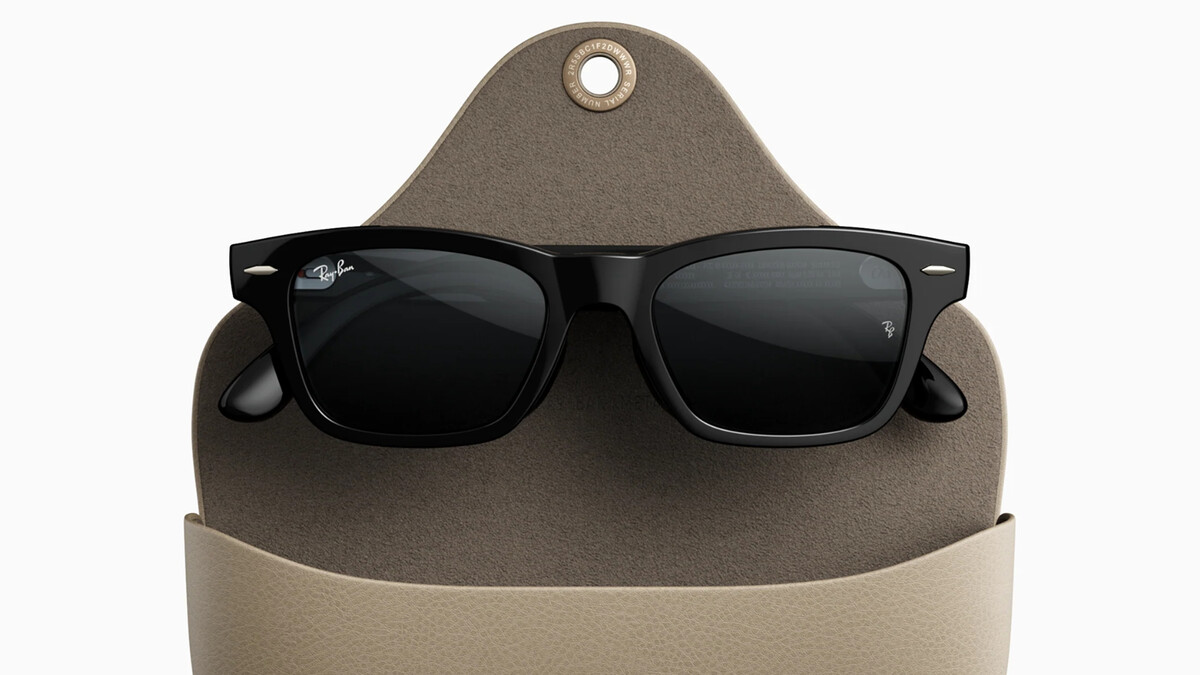
The move comes after years of criticism. The camera on the original Ray-Ban Meta was its standout feature but also its biggest liability. Cases of men recording women without consent, incidents of glasses still recording when taken off, and their use in exam cheating have made headlines. Some venues have banned camera-equipped glasses outright.
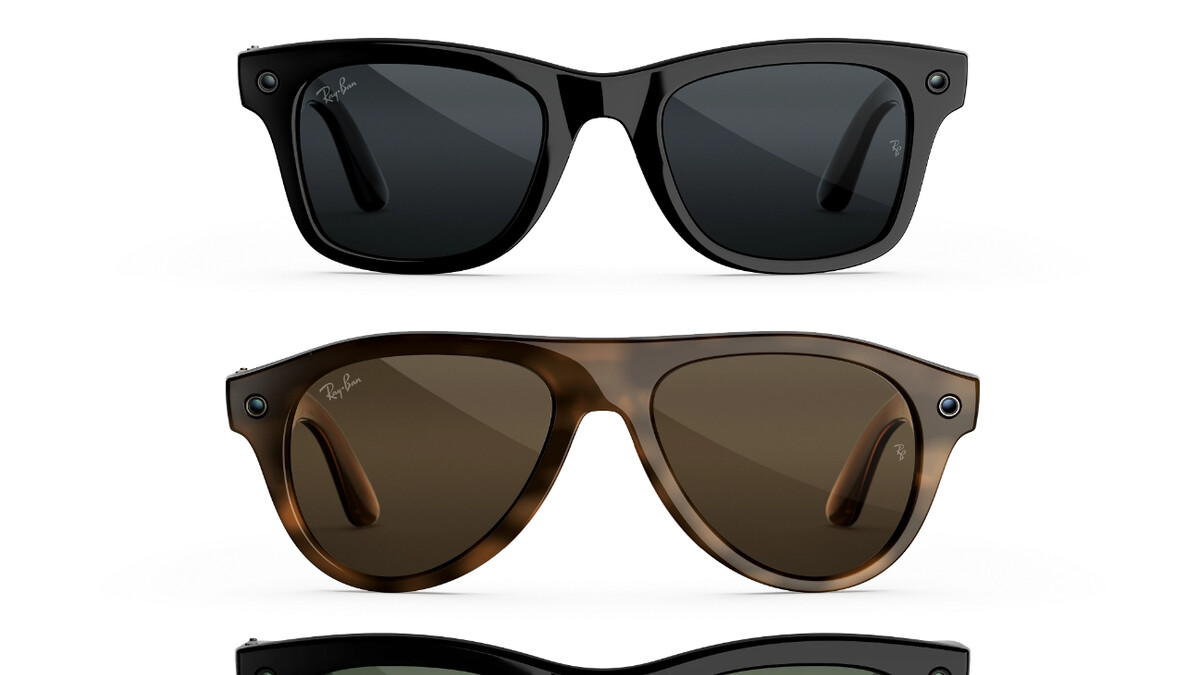
Why It Matters: Privacy Concerns Drive Design
The camera-free model addresses a growing unease with always-on cameras in public spaces. By removing the camera, Meta hopes to appeal to users who are uncomfortable with the surveillance potential of smart glasses. It also opens doors to places where camera glasses are prohibited.
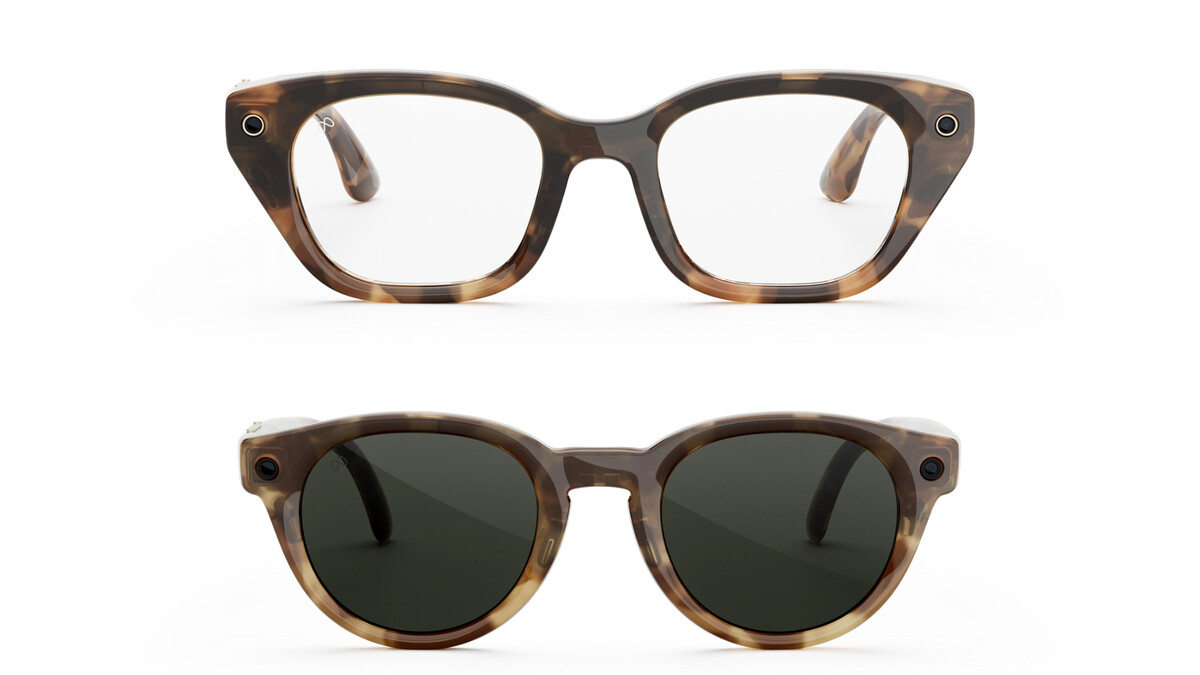
This isn't just about privacy; it's about market expansion. Smart glasses have been the breakout wearable of the AI era, and Meta dominates the category. But the camera has limited their acceptance. A camera-free version could attract a broader audience, including those who were previously hesitant.
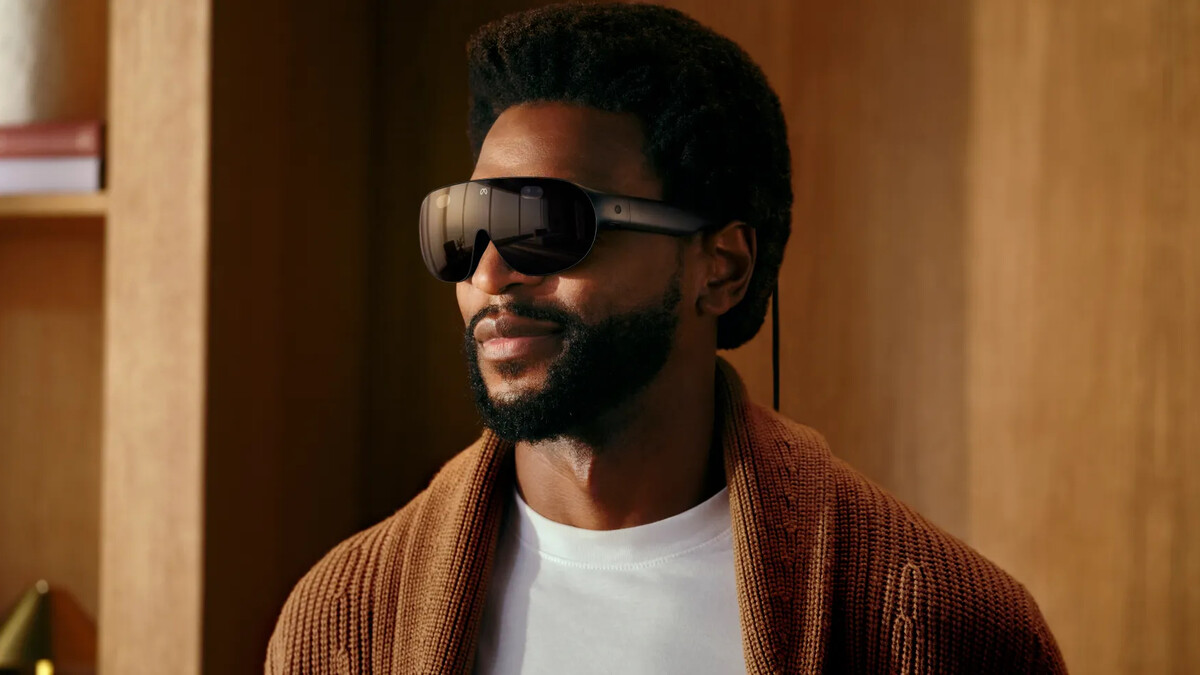
What Can You Do with Camera-Free Smart Glasses?
The obvious question is what these glasses can do without a camera. The answer: plenty, but less than their camera-equipped siblings. The Ray-Ban Meta Audio focuses on audio and AI. You can listen to music, take calls, and interact with Meta AI via voice commands.
For example, you can ask Meta AI questions, set reminders, or get information without pulling out your phone. The glasses are designed to be a seamless extension of your digital life, just without the visual capture.
Key Features of the Ray-Ban Meta Audio
- Audio-centric design: Built-in speakers and microphones for music, calls, and AI interactions.
- Meta AI integration: Voice-controlled assistant for queries, reminders, and more.
- No camera: Eliminates privacy concerns associated with recording.
- Stylish frames: Ray-Ban branding and design, available in multiple styles.
- All-day wear: Lightweight and comfortable for extended use.
Comparison: Ray-Ban Meta Audio vs. Original Ray-Ban Meta
| Feature | Ray-Ban Meta Audio | Original Ray-Ban Meta |
|---|---|---|
| Camera | No | Yes (12MP) |
| Audio | Yes, enhanced | Yes |
| Meta AI | Voice-only | Voice and visual |
| Privacy | High (no camera) | Concerns due to camera |
| Use cases | Music, calls, AI queries | Photos, videos, AI visual queries |
Who Is Affected: Consumers and the Wearable Market
This launch affects consumers who have been wary of smart glasses due to privacy issues. It also impacts competitors like Google and Apple, who are rumored to be working on their own smart glasses. By offering a camera-free option, Meta is segmenting the market and potentially widening its lead.
For businesses and public spaces, the camera-free glasses might be more acceptable, reducing the need for bans. For users, it means a choice: do you want the camera or not? The background to this story is set out in Meta Smart Glasses Privacy Flaw Records Chats Without Permission. A related thread runs through Meta Glasses 2025: Are You Wearing the New Smart Eyewear?. Earlier coverage in Meta Debuts No-Camera Smart Glasses and VR Spectacles shows how the argument developed.
What to Watch Next
Meta's move signals that the company is listening to feedback and willing to adapt. It will be interesting to see if other manufacturers follow suit with camera-free models. Also, watch for how Meta markets these glasses—will they emphasize privacy as a selling point? A closer look at the same subject appears in Smart Glasses Face Blurring Mandate: Australia's Safety Call. Anyone following the wider picture can start with Smart Glasses Ban in Westminster: Meta's Tech Sparks Debate. The same theme surfaces in Meta Smart Glasses Privacy Risks: Regulators Must Act Now, which takes a different angle.
The success of the Ray-Ban Meta Audio could determine whether smart glasses become truly mainstream or remain a niche product for tech enthusiasts. If privacy was the main barrier, this could be the key to unlocking mass adoption. Context on how this played out before sits in Smart Glasses Creepy? Why Kylie Jenner Endorses Them. A companion piece, Meta Smart Glasses Privacy Risks Demand Regulator Action, approaches the same subject from another angle.
FAQ
What are camera-free smart glasses?
Camera-free smart glasses are wearable devices that offer audio and AI features without a built-in camera. The Ray-Ban Meta Audio is an example, focusing on music, calls, and voice assistant interactions.
Why did Meta remove the camera?
Meta removed the camera to address privacy concerns and backlash over inappropriate recording. The camera-free model aims to appeal to users who are uncomfortable with always-on cameras.
Can you still use Meta AI with the camera-free glasses?
Yes, you can interact with Meta AI using voice commands. You can ask questions, set reminders, and perform other tasks, but without visual input.
Are these glasses suitable for all environments?
They are more likely to be accepted in places where camera glasses are banned, as they cannot record video or take photos. However, individual venue policies may still vary.
Browse the Shop
 Acacia frida deluxe solid wood bed frame |
Bedroom bench |
Bed chest drawers |
Lingerie dresser |
Frame base |
Mirror with jewelry storage |
30 Bathroom Vanity |
Memory foam queen mattress |
Mattresses for back pain |
Nightstand set of 2 |
Grand Goldman Shop |
Civil Lawyer
Deutschland Trikot WM 2026










