

Using multiple headphones in your daily life is not a sign of madness but a smart response to the diverse audio needs of modern life. A tech journalist recently realized he had three different headphones on his desk—each for a specific scenario—and wondered if this was a growing trend. After speaking with Mikael Herje, Global Headphones Director at JBL, he confirmed that this behavior is increasingly common and makes perfect sense.
The Rise of Multi-Headphone Usage
The pandemic and the rise of remote work triggered a massive boom in headphone sales. Everyone wanted noise cancellation for focused work and clear microphones for video calls. But as life became more complex, so did our audio requirements. Today, many people find that a single pair of headphones can't cover all their needs—commuting, working, traveling, and relaxing all demand different features.
Find Original Home Decor sparking conversation at Grand Goldman Shop.

This shift has led to a new norm: owning and using multiple headphones for different occasions. It's not about excess but about optimizing performance for each activity. Whether you need active noise cancellation (ANC) for a noisy commute, open-ear design for situational awareness, or over-ear comfort for long flights, having the right tool for the job makes a difference.

Why One Pair Doesn't Fit All
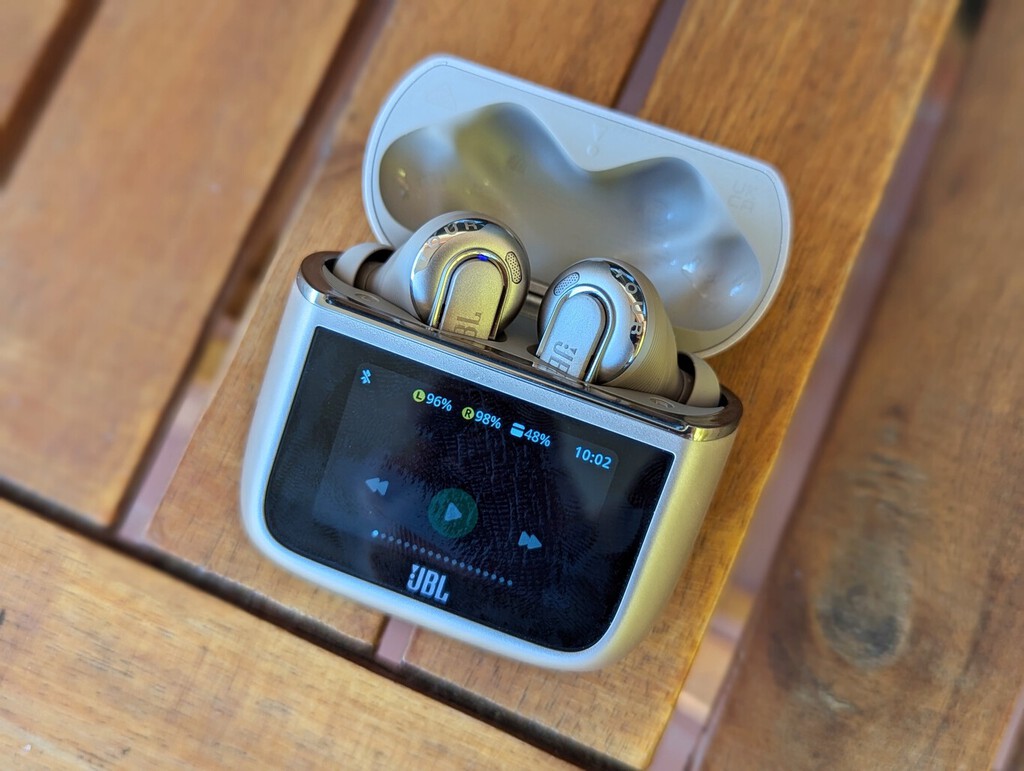
Headphone technology has evolved to address specific use cases. For example, in-ear buds with ANC are ideal for blocking out city noise during commutes. Open-ear models like the Soundcore AeroFit 2 Pro allow you to stay aware of your surroundings while working or exercising. Over-ear headphones like the JBL Tour One M3 provide immersive sound and comfort for travel. Each design has strengths that cater to particular activities.

Moreover, factors like battery life, portability, and connectivity also influence choice. A lightweight pair is easy to carry, while a robust over-ear model might offer superior sound quality. By having multiple headphones, users can enjoy the best of each world without compromise.
Key Takeaways for Building Your Headphone Collection
- Assess your daily activities: Identify the scenarios where you use headphones most—commuting, working, traveling, or exercising—and choose models that excel in those areas.
- Prioritize features that matter: Noise cancellation for focus, open-ear design for awareness, and comfort for long wear are all important considerations.
- Consider portability: A compact pair for on-the-go and a larger pair for home or travel can cover all bases.
- Don't overspend: Start with two pairs that cover your primary needs and expand only if necessary.
- Test before you buy: Whenever possible, try different models to see which fit and sound best for you.
Expert Insights: What JBL's Director Says
Mikael Herje, Global Headphones Director at JBL, confirms that using multiple headphones is a growing trend. He notes that consumers are becoming more educated about audio and are seeking specialized solutions. "People are realizing that different situations call for different headphones," he says. "It's not about having one pair that does everything mediocrely; it's about having the right pair for the moment."
Herje also highlights that advancements in technology, such as better battery life and improved connectivity, have made it easier to own and switch between multiple devices. The variety of form factors—true wireless, open-ear, over-ear—cater to diverse preferences and lifestyles.
How to Choose the Right Headphones for Each Scenario
To make informed decisions, consider the following table that compares headphone types based on common use cases. The longer history behind the story is traced in Why Using Multiple Headphones Daily Is a Smart Trend.
| Scenario | Recommended Type | Key Features | Example |
|---|---|---|---|
| Commuting | True wireless in-ear | ANC, compact, long battery | Huawei FreeBuds Pro 5 |
| Working (office/home) | Open-ear | Situational awareness, comfort | Soundcore AeroFit 2 Pro |
| Travel | Over-ear | Noise isolation, comfort, sound quality | JBL Tour One M3 |
| Exercising | Sport in-ear or open-ear | Sweat resistance, secure fit | Various models |
This table illustrates how different headphones serve distinct purposes. By matching features to activities, you can enhance your audio experience and productivity. The background to this story is set out in Technology: latest articles. A related thread runs through Sony Revives 1979 Walkman Headphones With New MDR-3R. Earlier coverage in Motorola Gains Ground in Spain's Mobile Market as Xiaomi Slips shows how the argument developed.
The Future of Personal Audio
As remote work and hybrid lifestyles continue, the demand for specialized headphones is likely to grow. Manufacturers are responding with more niche products, such as open-ear designs for awareness and advanced ANC for immersion. The trend toward multiple headphones is not a fad but a reflection of our multifaceted lives. A closer look at the same subject appears in Huawei FreeClip 2 Review: Strange Design, Surprising Comfort. Anyone following the wider picture can start with Wired Headphones Sound Better Than Wireless: Best Budget Picks. The same theme surfaces in Sony WH-1000XM6 Noise Cancelling Headphones at Best Price, which takes a different angle.
Moreover, sustainability and repairability are becoming important factors. Consumers are investing in quality pairs that last longer, which justifies owning several. The second-hand market for headphones is also thriving, making it easier to build a collection without breaking the bank. Context on how this played out before sits in JBL Tune 520 Headphones Drop to Outlet Price: 57-Hour Battery. A companion piece, JBL Live 780NC Giveaway for Goldman Media Subscribers Ends, approaches the same subject from another angle.
FAQ
Is it normal to use multiple headphones?
Yes, it's increasingly common. Many people use different headphones for commuting, working, traveling, and exercising to optimize performance and comfort for each activity.
What are the benefits of having multiple headphones?
Benefits include better noise cancellation for focus, situational awareness for safety, enhanced comfort for long wear, and superior sound quality for immersive listening. You can tailor your audio experience to each scenario.
How many headphones should I own?
There's no fixed number. Start with two pairs that cover your most frequent activities—for example, one for commuting and one for work. Expand only if you have specific needs that aren't met.
Are expensive headphones worth it for multiple pairs?
Not necessarily. Mid-range models often offer excellent features. Focus on the specific features you need for each scenario rather than buying the most expensive option. Quality and durability matter more than brand prestige.
Browse the Shop
 Acacia frida deluxe solid wood bed frame |
Bedroom bench |
Bed chest drawers |
Lingerie dresser |
Frame base |
Mirror with jewelry storage |
30 Bathroom Vanity |
Memory foam queen mattress |
Mattresses for back pain |
Nightstand set of 2 |
Grand Goldman Shop |
Civil Lawyer
Deutschland Trikot WM 2026







