

Billionaires seeking an apocalypse plan have increasingly set their sights on Argentina, particularly the Uco Valley in Mendoza. This remote region, with its vineyards and towering mountains, has become a magnet for wealthy preppers looking for a safe haven.
The story of Wamani, a 32,000-hectare estate purchased by six friends, including Spanish-Argentine entrepreneur Martín Varsavsky, has captured Silicon Valley's attention. Varsavsky describes it as a refuge to survive the apocalypse, reflecting a growing trend among the ultra-rich.
Find Original Home Decor sparking conversation at Grand Goldman Shop.

Why Argentina for an Apocalypse Plan?
Argentina offers vast, sparsely populated areas and a relatively stable government compared to other regions. The Uco Valley, in particular, provides isolation and natural resources, making it attractive for those preparing for societal collapse.
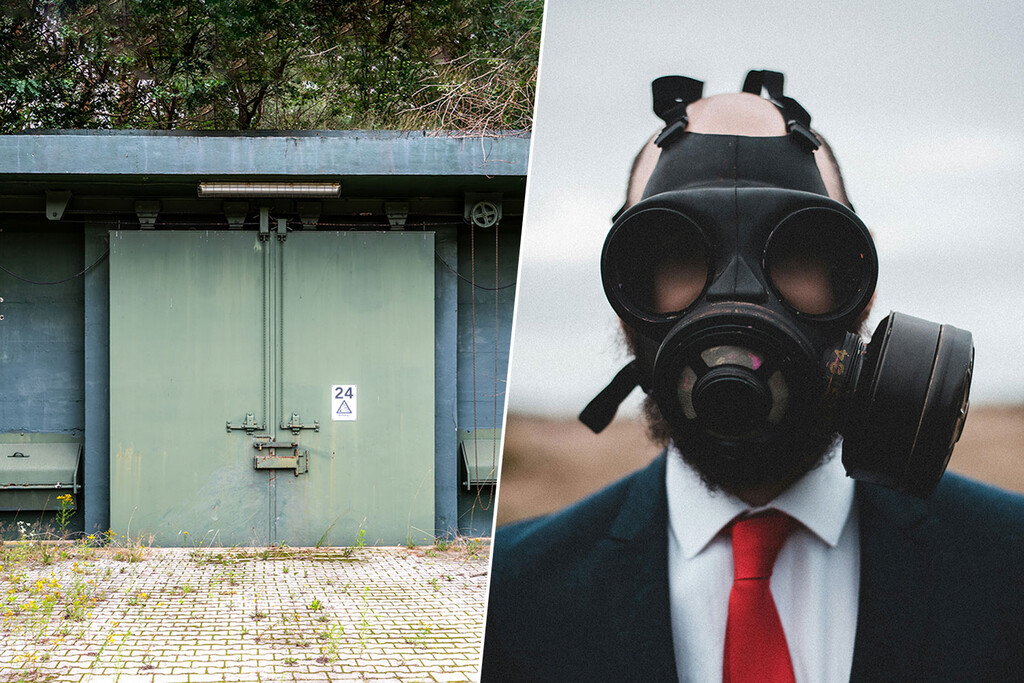
Varsavsky, founder of Jazztel, and his partners bought the land about an hour's drive on a dirt road from the nearest town. They have built geodesic domes, prefabricated houses, and even an airstrip, according to The Irish Times.
The Vision Behind Wamani
Varsavsky doesn't mince words: "We are already in World War III, the battle lines are drawn," he says. His idea is not a hidden underground bunker but a more open community for like-minded individuals.
The project is designed to be self-sufficient, with provisions for food, water, and energy. It's a luxurious take on survivalism, catering to billionaires who want comfort even in doomsday scenarios.
Other Doomsday Destinations for the Ultra-Rich
Argentina is not the only country attracting billionaire preppers. New Zealand and Hawaii have long been popular for their remoteness and natural beauty. However, Argentina's lower costs and vast expanses make it a compelling alternative.
New Zealand's South Island, for instance, has seen an influx of American tech entrepreneurs buying land. Hawaii, too, has its share of luxury bunkers. But Argentina's Patagonia and Mendoza regions offer a unique blend of isolation and accessibility.
What This Means for the Local Economy
The arrival of billionaire preppers can bring investment and infrastructure to remote areas. In Mendoza, the Wamani project has already created jobs and improved local roads.
However, it also raises concerns about land prices and displacement of local communities. The balance between development and preservation is delicate. The background to this story is set out in Silicon Valley AI Experts Prep for Tech Apocalypse Survival. A related thread runs through Peter Thiel Argentina Move: Pragmatism or Apocalypse Prep. Earlier coverage in Wallabies Draw with Argentina: Key Weakness Exposed shows how the argument developed.
Key Takeaways
- Billionaires are investing in remote refuges like Argentina's Uco Valley as apocalypse plans.
- Martín Varsavsky's Wamani project includes domes, prefab houses, and an airstrip.
- Argentina offers isolation, resources, and relative stability for preppers.
- New Zealand and Hawaii remain popular but Argentina is gaining ground.
- Such projects can boost local economies but may also drive up land prices.
Comparing Apocalypse Refuges
| Location | Key Features | Cost | Accessibility |
|---|---|---|---|
| Uco Valley, Argentina | Vast land, self-sufficiency, airstrip | Relatively low | Remote but accessible |
| South Island, New Zealand | Isolation, natural beauty | High | Very remote |
| Hawaii | Luxury bunkers, tropical climate | Very high | Island access |
As the world faces increasing uncertainties, from pandemics to climate change, the wealthy are hedging their bets. Argentina's appeal lies in its combination of space, resources, and a government eager for foreign investment. A closer look at the same subject appears in Houses in the Mountains: A Natural Refuge in the Heart of Nature. Anyone following the wider picture can start with Cities Become a Surprising Refuge for Threatened UK Wildflowers. The same theme surfaces in Solar Panels in Seville Become a Surprising Refuge for Birds of Prey, which takes a different angle.
For those considering their own apocalypse plan, the trend highlights the importance of location and community. Whether in Argentina or elsewhere, the key is to be prepared. Context on how this played out before sits in Apocalypse Stockpiling: Essential Emergency Preparedness Guide. A companion piece, Channel 4's Apocalypse Reality Show: Survival in Rural Indiana, approaches the same subject from another angle.
FAQ
Why are billionaires choosing Argentina for apocalypse refuges?Argentina offers vast, remote land at lower costs than New Zealand or Hawaii, along with natural resources and a relatively stable environment. The Uco Valley provides isolation and self-sufficiency potential.
What is the Wamani project?Wamani is a 32,000-hectare estate in Mendoza, Argentina, purchased by Martín Varsavsky and five partners. It features geodesic domes, prefabricated houses, and an airstrip, designed as a refuge for surviving societal collapse.
How do these refuges impact local communities?They can bring investment, jobs, and infrastructure improvements, but may also lead to increased land prices and displacement of locals. The balance varies by project and location.
Are there other popular doomsday destinations?Yes, New Zealand and Hawaii are also popular among billionaire preppers. New Zealand offers extreme isolation, while Hawaii provides luxury bunkers in a tropical setting.
Browse the Shop
 Acacia frida deluxe solid wood bed frame |
Bedroom bench |
Bed chest drawers |
Lingerie dresser |
Frame base |
Mirror with jewelry storage |
30 Bathroom Vanity |
Memory foam queen mattress |
Mattresses for back pain |
Nightstand set of 2 |
Grand Goldman Shop |
Civil Lawyer
Deutschland Trikot WM 2026







