

The Canary Islands tourism sector is grappling with an unexpected paradox: despite welcoming more visitors, tourism spending has fallen by €150 million. This decline comes even as the Spanish tourism industry overall continues to grow and attracts increasing numbers of international travelers.
According to a recent report by the Canary Islands Tourism Business Association (Excelcan) and the Gran Canaria Chamber of Commerce, the archipelago saw a 0.6% increase in visitors during the summer, reaching over 4.4 million. However, total tourism spending contracted by 2.56%, translating to a loss of approximately €146 million.
Find Original Home Decor sparking conversation at Grand Goldman Shop.

What Happened to Canary Islands Tourism Spending?
The latest data from Excelcan reveals a troubling trend: while tourist arrivals and overnight stays increased slightly, the amount each visitor spends has decreased. During the third quarter (July-September), the islands received 4.45 million tourists, 28,155 more than the previous year. Yet, total expenditure fell significantly.
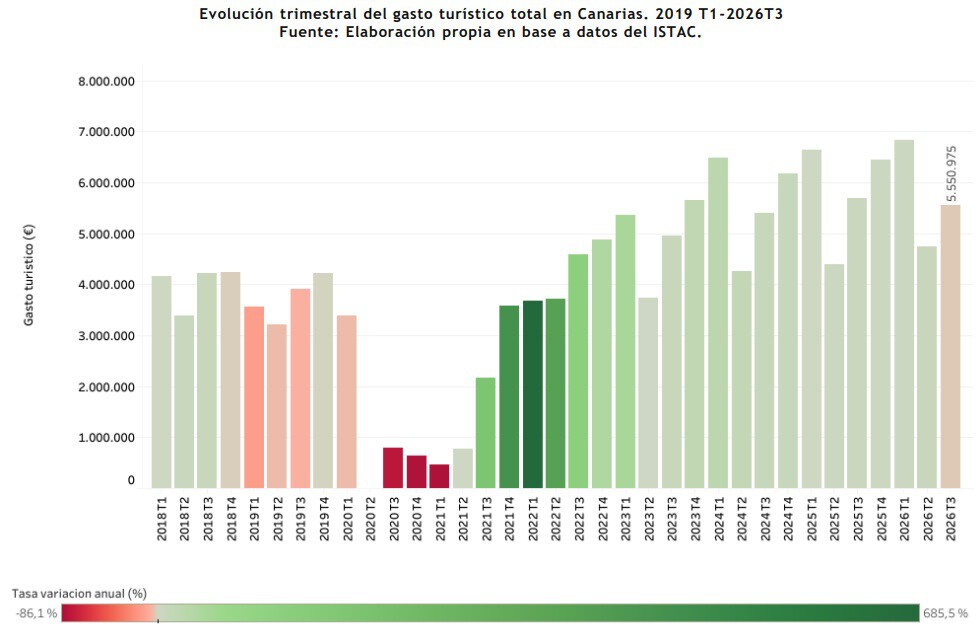
This disconnect between visitor numbers and spending suggests that tourists are becoming more budget-conscious or that the destination is attracting a different mix of visitors. It also raises questions about the sustainability of a tourism model that prioritizes volume over value.
Why Is Tourism Spending Falling Despite More Visitors?
Several factors could be contributing to this decline. First, the rise of budget airlines and affordable accommodation options may be bringing in travelers with lower spending capacity. Second, increased competition from other destinations could be forcing the islands to offer discounts to remain attractive.
Additionally, the global economic climate, with inflation and cost-of-living pressures, might be causing tourists to tighten their belts. Even though they are traveling, they are spending less on activities, dining, and shopping. This trend is not unique to the Canary Islands but is particularly concerning for a region so dependent on tourism.
Who Is Affected by the Decline in Tourism Spending?
The decline in spending affects a wide range of stakeholders in the Canary Islands. Local businesses, from restaurants and shops to excursion providers, feel the pinch directly. The government also loses out on tax revenue that funds public services and infrastructure.
Furthermore, the tourism workforce may face job insecurity or reduced hours if businesses struggle to maintain profitability. The situation is particularly challenging for small and medium-sized enterprises, which may have less flexibility to absorb losses.
What Are the Key Takeaways from the Excelcan Report?
The Excelcan report highlights several critical points that underscore the challenges facing the Canary Islands tourism industry:
- Visitor numbers increased by 0.6% to 4.45 million in Q3, but spending fell by 2.56%.
- The loss amounts to approximately €146 million, a significant blow to the local economy.
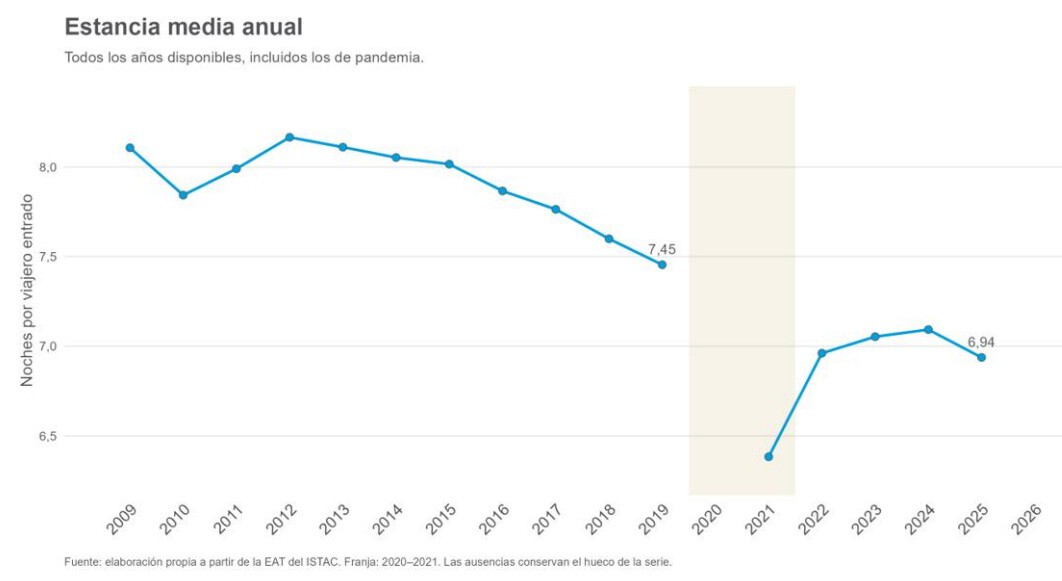
- Overnight stays also rose slightly, indicating longer stays but lower daily expenditure.
- The decline contrasts with the overall growth of Spanish tourism, which is nearing 100 million international visitors.
- This trend may signal a need to shift from volume-based tourism to value-based strategies.
How Does Canary Islands Tourism Compare to Other Destinations?
To understand the severity of the situation, it's helpful to compare the Canary Islands with other Spanish regions and competing destinations. The table below summarizes key metrics for Q3.
| Destination | Visitor Growth (%) | Spending Growth (%) | Average Spend per Visitor (€) |
|---|---|---|---|
| Canary Islands | +0.6 | -2.56 | ~1,000 |
| Spain overall | +3.2 | +1.8 | ~1,200 |
| Balearic Islands | +2.1 | +0.5 | ~1,100 |
| Catalonia | +4.0 | +2.5 | ~1,300 |
As the table shows, the Canary Islands lag behind other Spanish regions in both visitor and spending growth, and the average spend per visitor is lower. This comparison underscores the need for a strategic rethink.
What Can Be Done to Reverse the Trend?
Industry experts suggest several measures to boost tourism spending. One approach is to attract higher-spending visitors through targeted marketing and premium offerings. Another is to diversify the tourism product, promoting cultural and nature-based experiences that command higher prices.
Improving infrastructure and services could also enhance the visitor experience and justify higher spending. Additionally, implementing smart tourism policies that manage visitor flows and protect natural resources can help maintain the islands' appeal and sustainability. The background to this story is set out in Spain's Tourism Boom: 25 Million More Visitors Strain Infrastructure. A related thread runs through Pubs Toast £150m World Cup Sales Boost During Record Tournament. Earlier coverage in Heat Waves Are Reshaping Spain's Tourism Industry Fast shows how the argument developed.
What to Watch Next for Canary Islands Tourism
Looking ahead, stakeholders will be monitoring whether the decline in spending is a temporary blip or a longer-term trend. The upcoming winter season will be a key indicator, as the islands traditionally attract many European tourists seeking winter sun. A closer look at the same subject appears in August Solar Eclipse in Spain: Rural Tourism Safety Rules for Visitors. Anyone following the wider picture can start with Spain's 100 Million Tourist Goal Faces Extreme Heat Threat. The same theme surfaces in World Cup Pub Sales Hit £150M Boost – How Pubs Benefited, which takes a different angle.
Government and industry responses will also be crucial. Any new policies or campaigns aimed at boosting spending will be closely watched. The Canary Islands' ability to adapt to changing traveler preferences and economic conditions will determine its future success as a tourism destination. Context on how this played out before sits in The Improbable Origin of Spain's Menú del Día: A Franco-Era Tourism Strategy. A companion piece, World Cup Sales Boost Pubs by £150M in Record Tournament, approaches the same subject from another angle.
FAQ
Why did tourism spending in the Canary Islands drop despite more visitors?
Tourism spending fell because visitors are spending less per person, likely due to economic pressures, a shift toward budget travel, and increased competition from other destinations. This resulted in a 2.56% decline in total expenditure.
How much money did the Canary Islands lose in tourism revenue?
The decline in spending translates to approximately €146 million in lost revenue during the third quarter of the year, according to the Excelcan report.
Which businesses are most affected by the drop in tourism spending?
Local businesses such as restaurants, shops, and excursion providers are directly affected, as well as the government through reduced tax revenue. The tourism workforce may also face job insecurity.
What measures can reverse the decline in tourism spending?
Strategies include attracting higher-spending visitors, diversifying tourism offerings, improving infrastructure, and implementing smart tourism policies to enhance the visitor experience and sustainability.
Browse the Shop
 Acacia frida deluxe solid wood bed frame |
Bedroom bench |
Bed chest drawers |
Lingerie dresser |
Frame base |
Mirror with jewelry storage |
30 Bathroom Vanity |
Memory foam queen mattress |
Mattresses for back pain |
Nightstand set of 2 |
Grand Goldman Shop |
Civil Lawyer
Deutschland Trikot WM 2026







