

China's Shengying Technology has started mass production of the H-07, an AI-assisted drone interceptor capable of reaching 320 km/h, designed to hunt down enemy UAVs in the final kilometers before they strike. This marks a new phase in drone warfare, where cheap drones now hunt other drones.
The H-07 is not a ground-attack drone but a counter-UAS system built to chase and neutralize other flying objects. Its mission is short-range, terminal-phase interception—when there is very little time to stop an incoming threat.
Find Original, High-end Home Decor that spark conversation at Grand Goldman Shop.
Why Drone Hunters Matter Now
The war in Ukraine has shown how relatively inexpensive drones can threaten systems costing millions. The next battle is finding an equally cheap way to bring them down. The H-07 represents that evolution: a purpose-built interceptor rather than a modified attack drone.
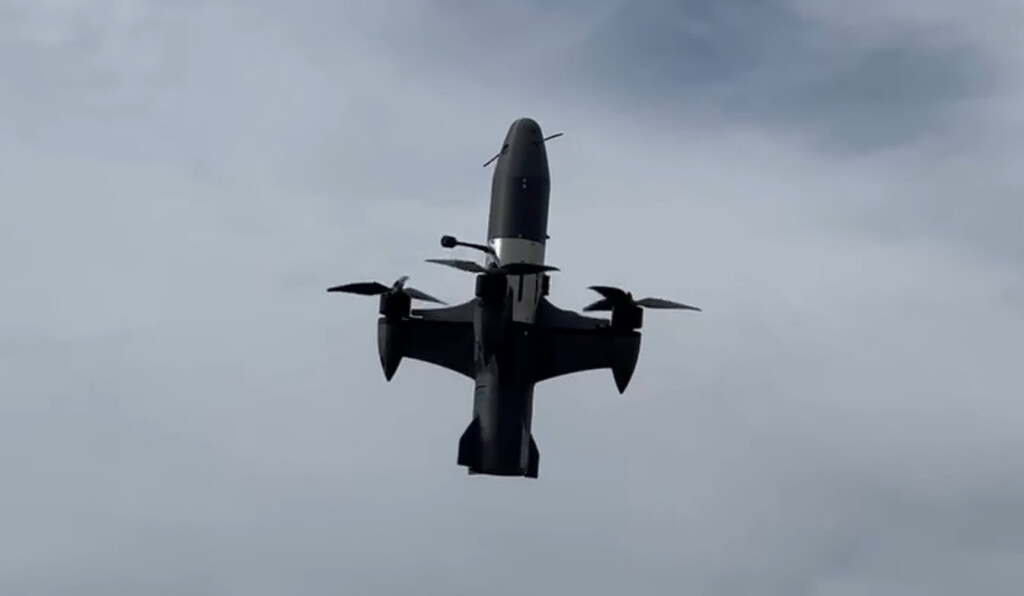
Shengying Technology markets the H-07 as a next-generation interceptor for close-range engagements. The key difference is that it is designed specifically to destroy other drones, not to attack ground positions.
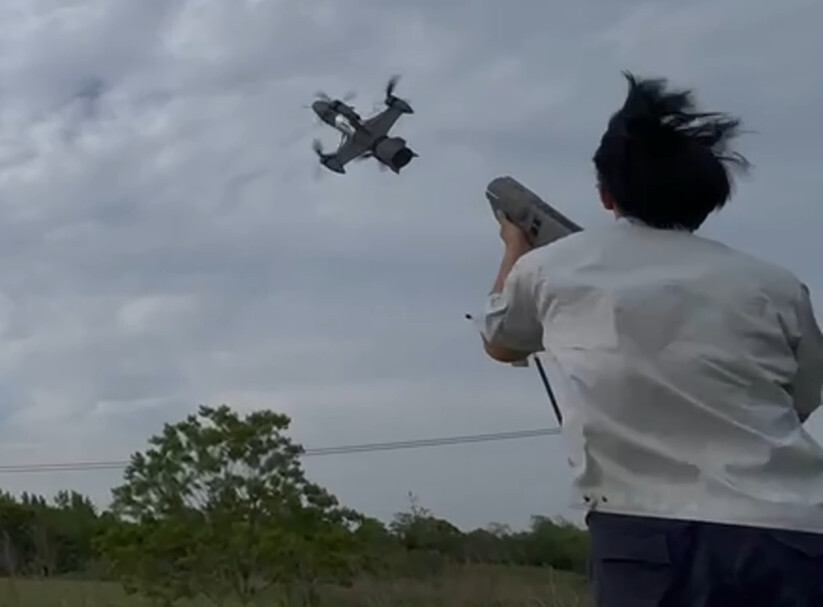
Mass Production Changes the Game
The most significant part of the announcement is not another anti-drone prototype but the claim that the H-07 has entered official mass production. That points to industrialization of interceptor technology—making these systems available in large numbers.
Mass production implies that the design is mature enough for manufacturing at scale. It also suggests that China sees a growing market for counter-drone systems, both domestically and for export. The background to this story is set out in Ukraine Drone Strike Force: Democracy vs Totalitarianism. A related thread runs through Ukraine Drone Expo Disaster: Organizer in Court, Negligence. Earlier coverage in Naval Drone Warfare: First Drone-on-Drone Kill in Black Sea shows how the argument developed.
Key Features of the H-07
- Speed: Reaches 320 km/h, fast enough to catch most tactical drones.
- AI assistance: Uses artificial intelligence to locate, track, and pursue enemy UAVs autonomously.
- Terminal-phase interception: Designed to engage threats in the last few kilometers before impact.
- Purpose-built: A dedicated counter-UAS platform, not a repurposed attack drone.
- Mass production: Now being manufactured at scale, according to Shengying Technology.
How the H-07 Compares to Other Interceptors
| System | Speed | AI-Assisted | Status |
|---|---|---|---|
| H-07 (China) | 320 km/h | Yes | Mass production |
| Typical FPV drone | ~120-150 km/h | No | Widely used |
| Military-grade interceptor | Varies | Some | Limited deployment |
What This Means for Drone Warfare
The H-07 signals a shift toward specialized drone-on-drone combat. As both sides in modern conflicts deploy more UAVs, the need for effective and affordable interceptors will only grow. China's move to mass-produce such a system could set a new standard. A closer look at the same subject appears in Ukraine Drone War: Jet-Powered Drones Chase at Formula 1 Speeds. Anyone following the wider picture can start with Massive Ukrainian Drone Attack on Russia Kills Six. The same theme surfaces in Russia's Jet-Powered Drone Barrage: New Era in Aerial Warfare, which takes a different angle.
It also raises questions about proliferation. If interceptors become cheap and widely available, they could change the calculus for anyone using drones for attack or surveillance. Context on how this played out before sits in Ukraine Strikes Devastate Russian Drone Supply Warehouses. A companion piece, Ukraine War: Drone Strikes Target Moscow, Wildberries, approaches the same subject from another angle.
FAQ
What is the H-07 drone?
The H-07 is an AI-assisted drone interceptor developed by China's Shengying Technology. It is designed to hunt and neutralize other drones at speeds up to 320 km/h.
Why is mass production of the H-07 significant?
Mass production means the H-07 is no longer just a prototype but a deployable system that can be built in large numbers. This could make counter-drone capabilities more widespread and affordable.
How does the H-07 compare to other anti-drone systems?
The H-07 stands out for its high speed and AI assistance, which allow it to autonomously pursue and intercept enemy UAVs. Many existing systems are either slower or require human operation.
What impact could the H-07 have on future conflicts?
The H-07 could make drone attacks more costly by providing a cheap and effective way to shoot them down. It may also accelerate an arms race in drone and counter-drone technology.
Browse the Shop
 Acacia frida deluxe solid wood bed frame |
Bedroom bench |
Bed chest drawers |
Lingerie dresser |
Frame base |
Mirror with jewelry storage |
30 Bathroom Vanity |
Memory foam queen mattress |
Mattresses for back pain |
Nightstand set of 2 |
Grand Goldman Shop |
Civil Lawyer
Deutschland Trikot WM 2026







