

The first letter bomb in history exploded in 1829, targeting Spanish general Nazario Eguía in Santiago de Compostela. This event marked the beginning of a new era in political violence, and its origins remain a subject of intrigue.
Nazario Eguía y Sáenz de Buruaga (1777-1865) is remembered for his political and military career, which earned him the title of Count of Casa Eguía. However, he was also a pioneer, albeit reluctantly, in the use of letter bombs.
Find Original Home Decor sparking conversation at Grand Goldman Shop.

The First Letter Bomb: A Shocking Attack
In October 1829, Eguía found an envelope in his office in Santiago de Compostela. As he opened the flap, it exploded, causing him over a dozen wounds, some very serious. This is believed to be the first letter bomb in history.
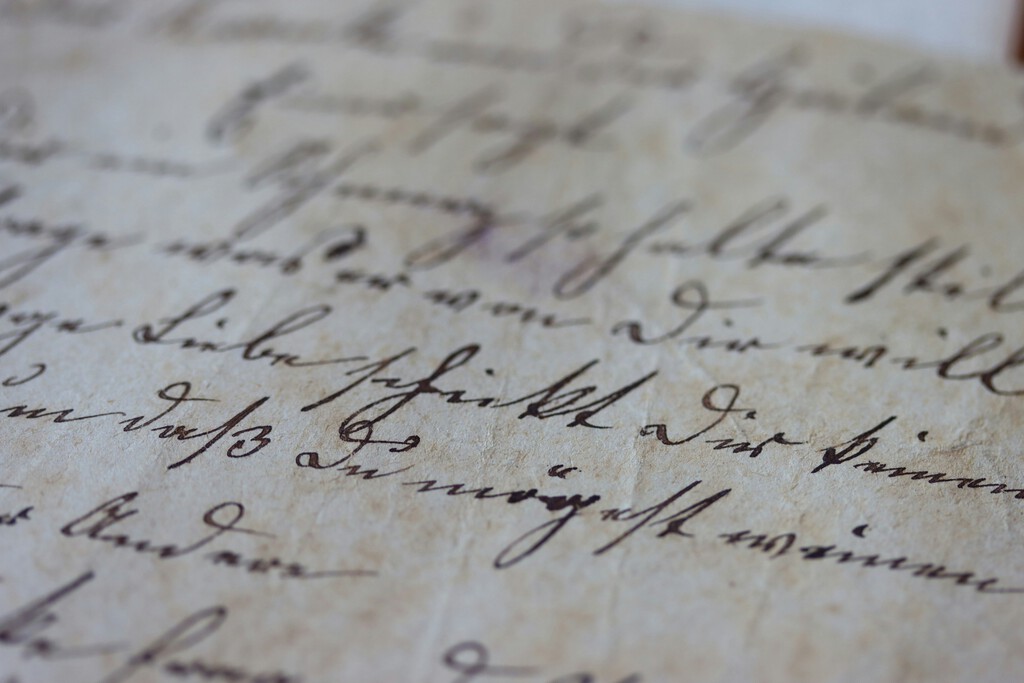
The attack was a shocking development in political violence. It targeted a prominent figure known for his hardline absolutist views, and it signaled a new method of assassination that would be used in conflicts around the world.
Who Was Nazario Eguía?
Nazario Eguía was a Basque military officer and politician. He was born in 1777 and initially studied for the priesthood, but the war interrupted his plans. At 16, he abandoned his ecclesiastical studies and took up arms against French troops.
He had a distinguished military career, serving under Wellington and rising to the rank of Field Marshal before the age of 37. He was also appointed Captain General of Galicia. Later, he was named Count and became a prominent Carlist.
Eguía was known for his harshness, which earned him the hatred of liberals during his time as Captain General of Galicia. His strong absolutist convictions made him a target for those opposed to his policies.
The Attack and Its Aftermath
The letter bomb that targeted Eguía was a crude device, but it was effective. The explosion caused multiple wounds, and Eguía was lucky to survive. The attack was widely condemned, and it sparked an investigation.
The origin of the bomb is suspected to be a pharmacy in Vigo. However, the exact details of who sent it and why remain unclear. The attack was a turning point in the use of political violence, and it set a precedent for future attacks.
Why This Event Matters
The first letter bomb in history is more than just a historical curiosity. It represents a shift in the tactics of political violence, moving from direct confrontation to more insidious methods.
This event also highlights the intense political divisions in Spain during the 19th century. The conflict between absolutists and liberals was fierce, and Eguía was a polarizing figure.
Understanding this event helps us grasp the evolution of terrorism and political violence. It shows how individuals and groups have used technology and innovation to target their enemies.
Key Takeaways
- The first letter bomb in history exploded in 1829, targeting Spanish general Nazario Eguía.
- Eguía was a prominent military and political figure known for his hardline absolutist views.
- The attack caused serious wounds but Eguía survived.
- The origin of the bomb is suspected to be a pharmacy in Vigo.
- This event marked a new era in political violence and assassination methods.
Comparing Early Letter Bombs and Modern Incidents
| Feature | 1829 Letter Bomb | Modern Letter Bombs |
|---|---|---|
| Target | Nazario Eguía, Spanish general | Various political figures, activists, and public figures |
| Device | Crude explosive device in an envelope | Sophisticated devices, sometimes with timers or triggers |
| Impact | Multiple wounds, survival | Varies, often fatal or causing severe injuries |
| Motive | Political opposition to Eguía's absolutist policies | Range of political, ideological, or personal motives |
The 1829 attack was a precursor to modern letter bombs, which have been used in various conflicts and terrorist campaigns. The technology has evolved, but the basic concept remains the same. The longer history behind the story is traced in First Letter Bomb in History: The 1829 Attack on Nazario Eguía.
What to Watch Next
Historians continue to study the 1829 letter bomb to understand its origins and impact. New research may shed light on the perpetrators and their motives. The background to this story is set out in Australia's Hidden History of Political Violence. A related thread runs through Song of Hiawatha's Strange History and Musical Legacy. Earlier coverage in Footballers with the Most Clubs in Career History shows how the argument developed.
The event also serves as a reminder of the dangers of political extremism. It underscores the importance of addressing grievances through peaceful means rather than violence. A closer look at the same subject appears in British Public Opinion: Confronting Complicated History. Anyone following the wider picture can start with Trending: latest articles. The same theme surfaces in Archaeologists Uncover Ancient Secrets on the Cíes Islands, which takes a different angle.
As we reflect on this historical incident, we are reminded of the enduring nature of political violence and the need for vigilance in protecting public figures. Context on how this played out before sits in Spain's Snacking Shift: Why Spaniards Are Eating More Between Meals. A companion piece, US F-35 and Apache Arms Deal to Morocco: Strategic Shift, approaches the same subject from another angle.
FAQ
What was the first letter bomb in history?
The first letter bomb in history exploded in 1829 when Spanish general Nazario Eguía opened an envelope in his office in Santiago de Compostela. The device caused multiple wounds but Eguía survived.
Who was Nazario Eguía?
Nazario Eguía was a Spanish military officer and politician known for his hardline absolutist views. He served as Captain General of Galicia and was later named Count of Casa Eguía.
Why was Eguía targeted?
Eguía's harsh policies and absolutist stance earned him many enemies, particularly among liberals. The attack was likely motivated by political opposition to his rule.
What was the impact of the first letter bomb?
The attack marked a new method of political violence and set a precedent for future letter bombs. It highlighted the intense political divisions in 19th-century Spain.
Browse the Shop
 Acacia frida deluxe solid wood bed frame |
Bedroom bench |
Bed chest drawers |
Lingerie dresser |
Frame base |
Mirror with jewelry storage |
30 Bathroom Vanity |
Memory foam queen mattress |
Mattresses for back pain |
Nightstand set of 2 |
Grand Goldman Shop |
Civil Lawyer
Deutschland Trikot WM 2026







