

A giant guillotine in the remote Galician village of Trasanquelos has become an unexpected and puzzling attraction. The five-meter-tall structure, made of galvanized iron, now stands among stone houses and trees in this parish of Oza-Cesuras, just half an hour from A Coruña.
The installation has drawn attention from major Spanish media like El País and RTVE, not because of its functionality—many wonder if the blade actually works—but because of the mystery surrounding its creator and purpose. With only about 70 residents, Trasanquelos is an unlikely location for such a provocative piece.
Find Original Home Decor sparking conversation at Grand Goldman Shop.

What Is the Giant Guillotine in Trasanquelos?
The guillotine is a towering structure with two words inscribed at the top: “DRA” on one side and “MATIZAR” on the other. These words, when combined, form “DRAMATIZAR” (to dramatize), suggesting an artistic intent behind the installation.
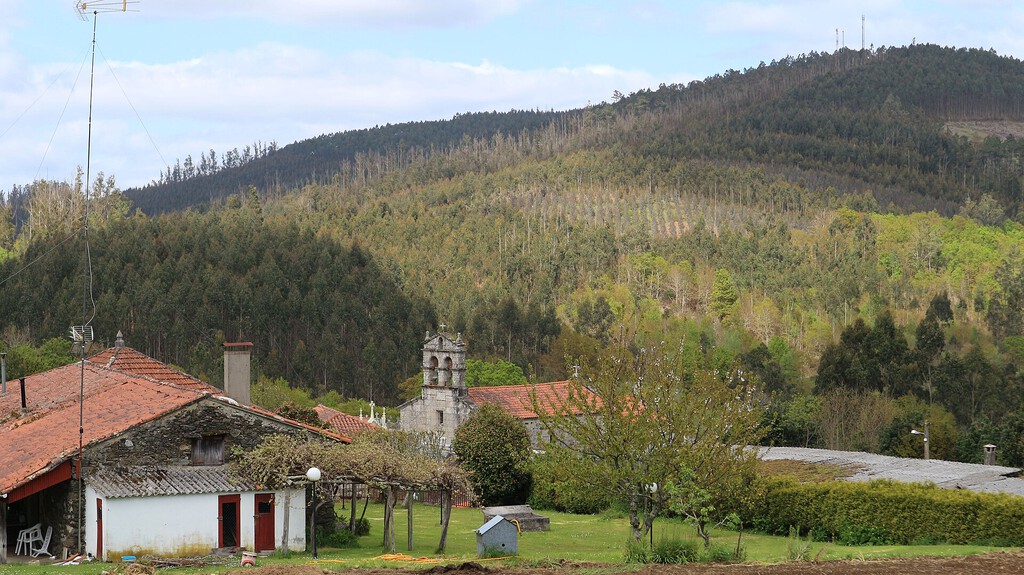
Local residents and visitors alike are intrigued. The blade's functionality remains unclear, but the bigger question is who built it and why. The structure appeared weeks ago, and no one has claimed responsibility.
The Mystery of the Maker
Despite its size and impact, the creator remains anonymous. The guillotine was installed quietly, without any official announcement or permit that has been made public. This secrecy adds to the intrigue, turning a quiet village into a stage for speculation.
Some locals speculate it could be the work of a guerrilla artist making a statement about history, justice, or even modern society. Others wonder if it's a publicity stunt for an upcoming event or project.
Why a Guillotine in Galicia?
Galicia is known for its hórreos (granaries), cornfields, and rural tourism, not for instruments of execution. The guillotine's presence is jarring, and that's precisely the point. Art often seeks to disrupt and provoke thought.
The choice of a guillotine—a symbol of the French Revolution and capital punishment—evokes strong emotions. In a peaceful village, it forces passersby to confront themes of power, justice, and mortality.
Local Reactions and Media Attention
Residents have mixed feelings. Some are amused, others concerned about the village's image. The media spotlight has brought curious visitors, which could be a boon for local businesses but also disrupts the tranquility.
The story has spread quickly, with outlets like El País and RTVE covering it. Social media is abuzz with theories, from art installations to elaborate pranks.
What Does “DRA MATIZAR” Mean?
The inscription “DRA” and “MATIZAR” likely combine to form “DRAMATIZAR,” meaning “to dramatize.” This could be a commentary on how history is dramatized or how media sensationalizes events.
Alternatively, it might be a cryptic message from the artist, inviting interpretation. Without a statement, the meaning remains open, which is typical of enigmatic street art.
Artistic or Political Statement?
Guillotines have been used in art to critique authoritarianism and inequality. The installation might be a metaphor for cutting through bureaucracy or a call to remember historical injustices.
In Spain, where the guillotine was used until the 20th century, the structure could also evoke memories of the country's own turbulent past. However, without confirmation, these remain theories.
Impact on the Village of Trasanquelos
For a village of 70 people, the guillotine has put Trasanquelos on the map. Visitors are trickling in, curious to see the oddity. Local businesses might benefit, but the community must balance tourism with preserving their peaceful way of life.
The installation also raises questions about public art and permits. Who approved this? If it's unauthorized, will it be removed? So far, no official action has been taken. The background to this story is set out in Spain Water Crisis: 12-Hour Storm Front Brings Relief to Galicia. A related thread runs through Octopus Decline in Galicia: Why Spain's Fishing Industry Isn't Worried. Earlier coverage in Bica Gallega Recipe: Authentic Galician Butter Cake shows how the argument developed.
What to Watch Next
Will the artist come forward? Will the guillotine become a permanent fixture or a temporary exhibit? These are questions locals and authorities are grappling with. A closer look at the same subject appears in Gooseneck Barnacles Recipe: Authentic Galician Delicacy. Anyone following the wider picture can start with Wealth Concentration in Galicia: More Owners Hold Multiple Properties. The same theme surfaces in Galicia's 'Crebas' Phenomenon: When the Sea Returns Printers, which takes a different angle.
As the story develops, Trasanquelos may become a symbol of how art can transform even the most unexpected places. For now, the mystery endures, drawing eyes to a tiny Galician village and its towering enigma. Context on how this played out before sits in Galicia Inheritance Reform: No More Paying Debts With Your Own Savings. A companion piece, Hurricane Risk in Spain: Why Galicia Faces Growing Threat, approaches the same subject from another angle.
FAQ
Who built the giant guillotine in Trasanquelos?
The creator remains unknown. No individual or group has claimed responsibility, and no official permits have been publicly disclosed. This anonymity adds to the mystery and speculation surrounding the installation.
Is the guillotine functional?
It is unclear whether the blade works. Visitors often ask, but the focus is more on the structure's presence and meaning rather than its functionality. The guillotine appears to be an artistic installation, not a working device.
Why is there a guillotine in a Galician village?
The reason is not officially stated, but the inscription “DRA MATIZAR” suggests a message about dramatization. It could be a provocative art piece commenting on history, justice, or media sensationalism.
How has the local community reacted?
Reactions are mixed. Some residents are amused by the attention, while others worry about the village's image and the disruption to their quiet life. The media coverage has brought curious visitors, which could have economic benefits but also challenges.
Browse the Shop
 Acacia frida deluxe solid wood bed frame |
Bedroom bench |
Bed chest drawers |
Lingerie dresser |
Frame base |
Mirror with jewelry storage |
30 Bathroom Vanity |
Memory foam queen mattress |
Mattresses for back pain |
Nightstand set of 2 |
Grand Goldman Shop |
Civil Lawyer
Deutschland Trikot WM 2026







