

Mercadona's ready meals are increasingly challenging the traditional menú del día offered by Spanish bars, as more consumers opt for quick, affordable supermarket lunches. This shift could reshape the retail and hospitality sectors.
In a recent interview with El Mundo, David, a 35-year-old gym technical director from Madrid, explained why he now eats at Mercadona: "It's more practical and faster. You eat for 6 euros and I don't spend 45 minutes. I haven't had a menu del día since summer." His comment, though seemingly anecdotal, encapsulates a growing trend that threatens the future of traditional bar menus.
Find Original Home Decor sparking conversation at Grand Goldman Shop.

The Rise of the 'Mercaurante'
Supermarkets like Mercadona, Carrefour, and Alcampo are increasingly offering ready-to-eat meals, some with seating areas and microwaves. These so-called 'mercaurantes' allow customers to buy hot dishes, salads, and even freshly ground coffee, transforming the supermarket into a dining destination.
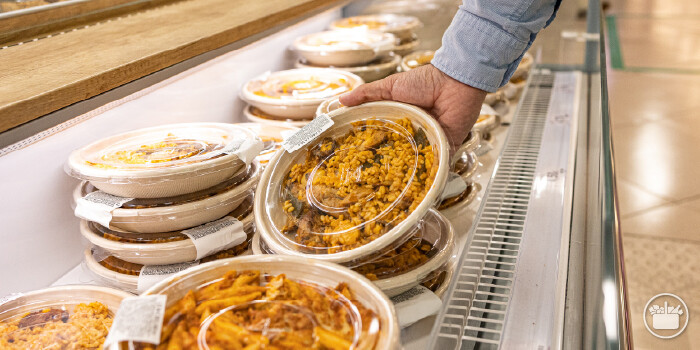
This concept is gaining traction, especially among workers seeking a quick, inexpensive lunch. The traditional menú del día, a multi-course meal offered at a fixed price, typically takes longer and costs more. As a result, supermarkets are capturing a segment of the lunch crowd that values convenience and speed.
Why Consumers Are Choosing Supermarket Meals
Several factors drive this behavior. First, the price: a complete meal at a supermarket can cost as little as 6 euros, compared to 10-15 euros for a menú del día. Second, time: busy professionals appreciate the ability to grab a meal without waiting for table service. Third, variety: supermarkets offer a range of options, from pre-packaged salads to hot dishes, catering to different tastes.
Additionally, the quality of supermarket ready meals has improved significantly. Chains invest in attractive packaging and fresh ingredients, making these meals a viable alternative to restaurant food.
Impact on Traditional Bars and Restaurants
The traditional Spanish bar, long a staple of social and culinary life, faces a new competitor. Bars that rely heavily on lunchtime menus may see a decline in foot traffic as customers opt for supermarket convenience. This is particularly concerning for small establishments already grappling with rising costs and labor shortages.
However, not all bars are at risk. Those that offer a unique dining experience, superior quality, or a strong local following may continue to thrive. The key is differentiation: bars that can provide an atmosphere and service that supermarkets cannot replicate will retain their clientele.
Adapting to Changing Consumer Habits
Some bars are already adapting by offering faster service, takeaway options, or competitive pricing. Others emphasize the social aspect of dining, promoting their venues as places to relax and connect. The challenge is to balance tradition with innovation.
Meanwhile, supermarkets are expanding their food service offerings. Mercadona, for instance, has introduced self-service areas with microwaves and seating in some locations, making it easier for customers to eat on-site. This trend is likely to grow as retailers seek new revenue streams. The background to this story is set out in Mercadona's Prepared Meals Threaten Spanish Hospitality. A related thread runs through Spain's Three-Course Menu del Día Crisis Explained. Earlier coverage in Should My Husband Stop Looking Up Menus Before We Eat shows how the argument developed.
What This Means for the Future of Dining
The competition between supermarket meals and bar menus reflects broader changes in consumer behavior. People increasingly value convenience, affordability, and speed, especially during the workday. This shift is not unique to Spain; similar trends are observed globally, with supermarkets offering ready meals and dining areas. A closer look at the same subject appears in Spain's Menú del Día: Can the Daily Set Lunch Survive. Anyone following the wider picture can start with Froiz Thrives as Regional Supermarkets Resist Mercadona. The same theme surfaces in AI Food Images on Menus Spark Consumer Backlash, which takes a different angle.
For the hospitality industry, the message is clear: adapt or risk losing customers. Bars and restaurants must innovate to meet evolving expectations, whether through technology, menu design, or service models. Context on how this played out before sits in Turkish Supermarket File Copies Mercadona and Now Faces EU Probe. A companion piece, Barcelona's 24-Hour Supermarkets Challenge Mercadona, approaches the same subject from another angle.
- Supermarkets like Mercadona are becoming dining destinations with ready meals and seating.
- Traditional menú del día faces decline as consumers prioritize speed and price.
- Bars must differentiate through experience, quality, or convenience to compete.
- The trend reflects a broader shift toward convenience in food consumption.
- Retailers are investing in food service to capture lunchtime spending.
| Aspect | Traditional Bar Menu | Supermarket Ready Meal |
|---|---|---|
| Average Price | 10-15 euros | 6-8 euros |
| Time Required | 45-60 minutes | 15-20 minutes |
| Ambiance | Social, table service | Casual, self-service |
| Menu Variety | Multi-course, daily specials | Pre-packaged, limited hot options |
| Convenience | Requires waiting | Grab-and-go |
FAQ
What is a 'mercaurante'?
A 'mercaurante' is a supermarket that offers ready-to-eat meals and sometimes seating areas, allowing customers to dine on-site. The term blends 'mercado' (market) and 'restaurante' (restaurant).
Why are people choosing supermarket meals over bar menus?
Consumers prioritize speed, lower prices, and convenience. Supermarket meals are typically cheaper and faster than traditional menú del día, appealing to busy workers.
Are traditional Spanish bars at risk?
Some bars may lose lunchtime customers, but those offering unique experiences or high-quality food can still thrive. Adaptation is key to survival.
Is this trend limited to Spain?
No, similar trends are seen globally as supermarkets expand into food service. However, Spain's strong bar culture makes the competition particularly notable.
The battle between supermarket meals and bar menus is just beginning. As consumer habits evolve, both sectors must innovate to stay relevant. For now, the convenience and affordability of supermarket dining are winning over a growing number of Spaniards.
Browse the Shop
 Acacia frida deluxe solid wood bed frame |
Bedroom bench |
Bed chest drawers |
Lingerie dresser |
Frame base |
Mirror with jewelry storage |
30 Bathroom Vanity |
Memory foam queen mattress |
Mattresses for back pain |
Nightstand set of 2 |
Grand Goldman Shop |
Civil Lawyer
Deutschland Trikot WM 2026







