

Municipal supermarkets with low-cost groceries are at the center of a bold new plan in New York City, where Mayor Zohran Kwame Mamdani is pushing to make food more affordable for residents. The proposal, which aims to counter a nearly 66% rise in food prices over the past decade, has caught the attention of officials in Barcelona, who are considering importing the idea.
Mamdani, a 34-year-old Muslim and member of the Democratic Party's socialist wing, took office with a promise to make the Big Apple more affordable. One of his flagship measures is a network of city-run grocery stores that would offer low-cost food, directly addressing the soaring cost of living that has made it hard for four out of ten families to fill their refrigerators.
Find Original, High-end Home Decor that spark conversation at Grand Goldman Shop.
What Are Municipal Supermarkets?
Municipal supermarkets are publicly owned grocery stores that aim to provide affordable food options in areas where private retailers may not offer competitive prices. Under Mamdani's plan, the city would own the stores but select a private operator to manage them through a competitive process.
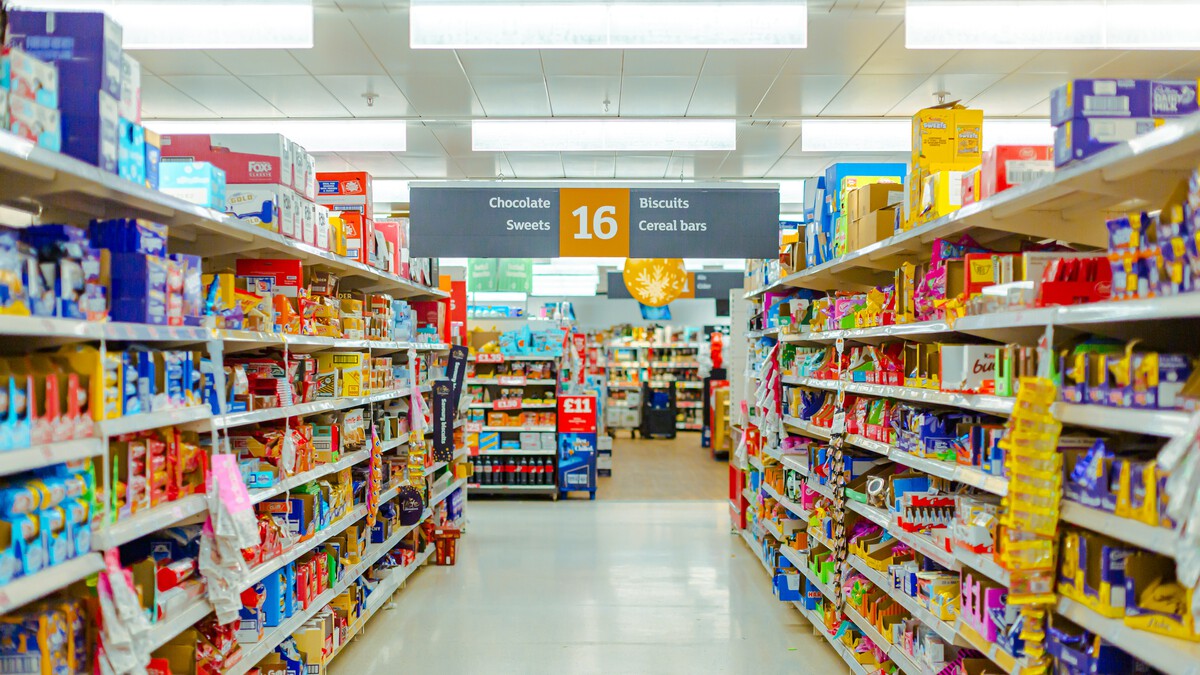
The initiative is designed to bypass the profit-driven model of traditional supermarkets and instead prioritize affordability. By leveraging public ownership, the city could potentially negotiate better prices from suppliers and pass savings on to consumers.
Why New York City Is Pursuing This Plan
The driving force behind the plan is the dramatic increase in food prices. Over the last decade, the cost of groceries in New York City has surged by almost 66%, outpacing wage growth and putting a strain on household budgets. According to Mamdani, four in ten families struggle to afford enough food.
The COVID-19 pandemic and subsequent inflation have exacerbated the problem, with food prices remaining stubbornly high. The mayor's office argues that a municipal network can act as a counterweight to corporate pricing power and ensure that all residents have access to nutritious food at reasonable prices.
How the Program Would Work
The plan envisions five municipal supermarkets, one in each borough, creating a citywide presence. The city would fund the construction and setup, while a private operator would handle day-to-day operations. This hybrid model aims to combine public accountability with private-sector efficiency.
Details on pricing, sourcing, and eligibility are still being developed, but the goal is to offer a range of products at prices significantly below market rates. The city may also partner with local farmers and suppliers to ensure fresh produce is available.
Key Features of the Proposed Network
- Public ownership: The city owns the stores and infrastructure.
- Private management: A selected operator runs daily operations.
- Low-cost pricing: Aimed at undercutting traditional supermarkets.
- Citywide coverage: One store in each of the five boroughs.
- Focus on affordability: Designed to help families struggling with food costs.
Challenges and Criticisms
Not everyone is on board. Critics argue that municipal supermarkets could distort the market, undercut private businesses, and become a financial drain on the city. There are also questions about how the city will ensure efficient management and avoid bureaucratic inefficiencies.
Some skeptics point to past failures of publicly run grocery stores in other cities, which have struggled with high operating costs and mismanagement. The success of the New York plan will depend heavily on the selection of a capable private operator and clear performance metrics.
Barcelona's Interest in the Model
Across the Atlantic, Barcelona is already exploring the idea. City officials have expressed interest in adapting the municipal supermarket model to their own context, where food prices have also risen. The concept aligns with broader efforts in Europe to address food insecurity and promote sustainable local food systems.
If Barcelona moves forward, it could become the first European city to implement such a network, potentially inspiring other cities facing similar challenges. The background to this story is set out in Australian Grocery Prices Rise 7% at Major Supermarkets. A related thread runs through Trending: latest articles.
What to Watch Next
The immediate next step is the selection of the private operator for New York's stores. The city will need to draft a contract that ensures affordability, quality, and accessibility while maintaining financial sustainability. Public feedback and city council approval will also be crucial. Earlier coverage in AirPods 5 Review: Apple's Most Complete Base Model shows how the argument developed. A closer look at the same subject appears in MediaMarkt Outlet Sale: Save Big on Google Pixel, iPhone 16, and Samsung.
As the plan progresses, observers will be watching to see if it delivers on its promise to lower grocery bills and whether other cities, like Barcelona, follow suit. Anyone following the wider picture can start with NATO's Cold War Pipeline Network Needs a 1,000 km Move East. The same theme surfaces in Rough Wings Could Cut Drag by 43.6%, Overturning 80-Year-Old Rule, which takes a different angle.
FAQ
What are municipal supermarkets?
Municipal supermarkets are publicly owned grocery stores that aim to provide affordable food options. They are typically run by a private operator under contract with the city.
Why is New York City considering them?
Food prices in NYC have risen nearly 66% over the past decade, making it hard for many families to afford groceries. The city sees municipal supermarkets as a way to offer low-cost alternatives.
How will the stores be managed?
The city will own the stores but hire a private operator to manage day-to-day operations. This model aims to combine public oversight with private efficiency.
Is Barcelona really going to adopt this model?
Barcelona officials are exploring the idea and have shown interest, but no formal plan has been announced yet. If pursued, it would be a first for Europe.
Browse the Shop
 Acacia frida deluxe solid wood bed frame |
Bedroom bench |
Bed chest drawers |
Lingerie dresser |
Frame base |
Mirror with jewelry storage |
30 Bathroom Vanity |
Memory foam queen mattress |
Mattresses for back pain |
Nightstand set of 2 |
Grand Goldman Shop |
Civil Lawyer
Deutschland Trikot WM 2026










