

The Soviet Komsomolets submarine, which sank in 1989 with a nuclear reactor and two nuclear-armed torpedoes aboard, continues to release radiation into the Norwegian Sea, according to recent studies. Nearly 1,700 meters below the surface, the wreck remains a persistent environmental concern decades after one of the Soviet Union's most ambitious naval projects ended in disaster.
What Happened to the Komsomolets Submarine?
The Komsomolets was a marvel of Soviet engineering when it entered service in 1983. Its titanium hull allowed it to operate at depths exceeding 1,000 meters, a capability that startled NATO planners who expected it to spawn a new class of attack submarines.
Find Original Home Decor sparking conversation at Grand Goldman Shop.

That promise unraveled on April 7, 1989, when a fire broke out aboard the vessel in the Norwegian Sea. Despite desperate efforts to save the ship and its crew, the submarine sank, taking 42 sailors with it. The disaster left behind not only human tragedy but also a toxic legacy: a nuclear reactor and two torpedoes armed with nuclear warheads.
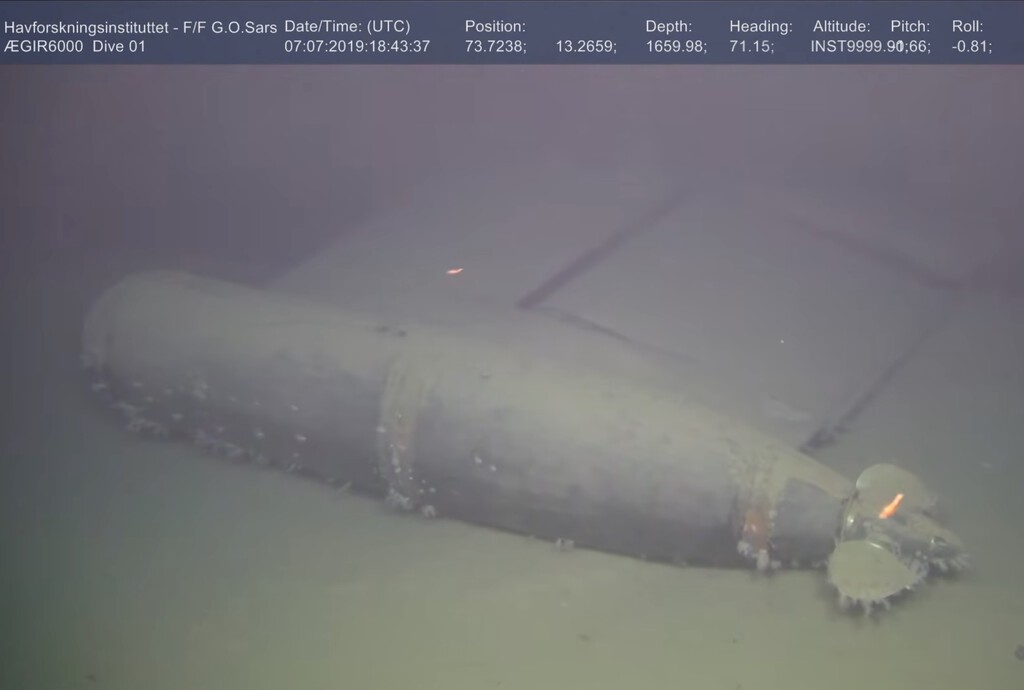
Why the Komsomolets Still Matters Today
The wreck is not a static relic. Studies in recent years have detected sporadic releases of radionuclides from the reactor, a phenomenon that scientists can now measure with far greater precision than in the 1990s. These emissions have not yet caused widespread harm to the marine ecosystem, but the long-term risks remain uncertain.
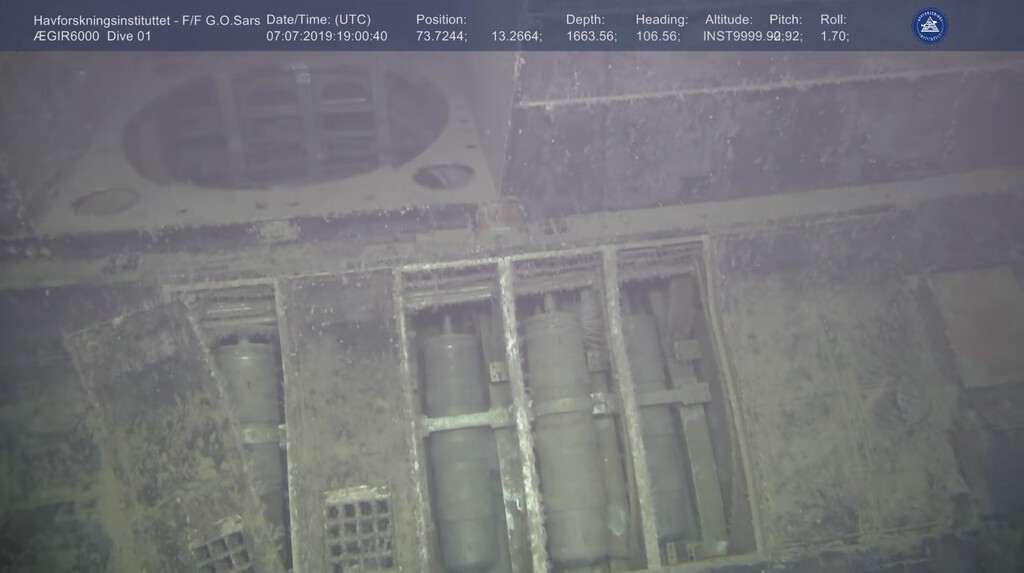
Saltwater, immense pressure, and decades of corrosion are slowly degrading the containment structures. The reactor and warheads are enclosed in a wreck that is gradually being eaten away by the sea, raising questions about how long the radioactive materials will stay contained.
Key Takeaways from the Komsomolets Situation
- The Komsomolets sank in 1989 with a nuclear reactor and two nuclear torpedoes on board.
- It rests at a depth of about 1,700 meters in the Norwegian Sea.
- Recent studies have detected sporadic releases of radionuclides from the reactor.
- No widespread ecological damage has been observed so far, but the situation is closely monitored.
- Corrosion and pressure continue to threaten the integrity of the containment.
What the Latest Research Shows
Modern research expeditions have used advanced sensors to map the radiation around the wreck. These studies reveal that the reactor emits radioactive particles in episodic bursts, likely triggered by corrosion processes or physical disturbances. The levels measured are far below what would pose an immediate threat to marine life or human activities, but they confirm that the containment is not perfect.
Scientists emphasize that the emissions are localized and dilute quickly in the vast ocean. However, the unpredictability of the releases makes long-term monitoring essential. The Norwegian Radiation and Nuclear Safety Authority has conducted several surveys of the site, and international teams continue to keep a watchful eye.
Comparison of Nuclear Submarine Incidents
The Komsomolets is not the only nuclear submarine to have suffered a fatal accident. The table below compares it with other notable incidents, highlighting the scale and consequences of each. The background to this story is set out in How Germany Sank Its Own Fleet in 1919 and Created a Nuclear Treasure. A related thread runs through Trending: latest articles. Earlier coverage in Russia's Perm Submarine to Deploy Hypersonic Zircon Missiles shows how the argument developed.
| Submarine | Country | Year Sank | Nuclear Reactor | Nuclear Weapons | Depth (m) |
|---|---|---|---|---|---|
| Komsomolets | Soviet Union | 1989 | Yes (1) | Yes (2 torpedoes) | ~1,700 |
| USS Thresher | United States | 1963 | Yes (1) | No | ~2,600 |
| USS Scorpion | United States | 1968 | Yes (1) | Yes (2 torpedoes) | ~3,000 |
| K-219 | Soviet Union | 1986 | Yes (2) | Yes (16 missiles) | ~5,500 |
| Kursk | Russia | 2000 | Yes (2) | No (torpedoes, no nuclear warheads) | ~108 |
What to Watch Next
The Komsomolets will remain a subject of scientific inquiry and environmental concern for years to come. As corrosion progresses, the potential for larger releases of radioactive material increases. Scientists and policymakers must weigh the risks of leaving the wreck untouched against the enormous cost and danger of any recovery operation. A closer look at the same subject appears in Russian Cruiser Admiral Nakhimov Returns After 27 Years. Anyone following the wider picture can start with Kuwait's Desert Tire Graveyard: A Visible Disaster From Space. The same theme surfaces in Japan's Submarine Aircraft Carriers: WWII's Secret Weapon, which takes a different angle.
Meanwhile, the story serves as a reminder of the hidden legacies of the Cold War. The ocean floor holds many such secrets, and the Komsomolets is a stark example of how technology can outlive its creators in unexpected and hazardous ways. Context on how this played out before sits in China's HIAF Heavy Ion Accelerator Starts Test Operation. A companion piece, Soviet Komsomolets Submarine Still Leaks Radiation in 2024, approaches the same subject from another angle.
FAQ
Is the Komsomolets submarine still radioactive?
Yes, the submarine's nuclear reactor continues to release radionuclides sporadically. Recent studies have measured these emissions, though they are not currently at levels considered dangerous to the environment.
What happened to the nuclear weapons on board?
Two torpedoes armed with nuclear warheads remain inside the wreck. They are subject to the same corrosive forces as the rest of the submarine, but no leakage of weapons-grade material has been detected so far.
Could the Komsomolets cause a nuclear disaster?
Experts consider a catastrophic release unlikely because the radioactive material would be diluted by the vast ocean. However, the long-term integrity of the containment is uncertain and requires monitoring.
Why was the Komsomolets so important?
It represented a major leap in Soviet submarine technology, with a titanium hull that allowed it to dive deeper than most other military submarines of its era. Its loss was a significant blow to the Soviet Navy.
Browse the Shop
 Acacia frida deluxe solid wood bed frame |
Bedroom bench |
Bed chest drawers |
Lingerie dresser |
Frame base |
Mirror with jewelry storage |
30 Bathroom Vanity |
Memory foam queen mattress |
Mattresses for back pain |
Nightstand set of 2 |
Grand Goldman Shop |
Civil Lawyer
Deutschland Trikot WM 2026







