

Spain's sparkling water generation is emerging as a cultural force, with younger consumers increasingly choosing carbonated water over alcoholic drinks in bars and terraces across the country. This shift, noted by veteran hospitality workers and local media, signals a generational change in social habits that could reshape the beverage industry.
What Is the 'Sparkling Water Generation'?
The term 'generación agua con gas' has been popularized by outlets like La Voz de Galicia to describe a growing preference among young Spaniards for sparkling water. It reflects a broader trend of reduced alcohol consumption among younger demographics, who are opting for non-alcoholic alternatives that still feel sophisticated and social.
Find Original, High-end Home Decor that spark conversation at Grand Goldman Shop.
Emilio Ron, a 40-year hospitality veteran in A Coruña, told the newspaper that he has noticed a clear pattern: customers aged 18 to 23 are consuming a lot of sparkling water, regular water, and energy drinks. While anecdotal, his observation aligns with wider shifts in Spanish drinking culture.
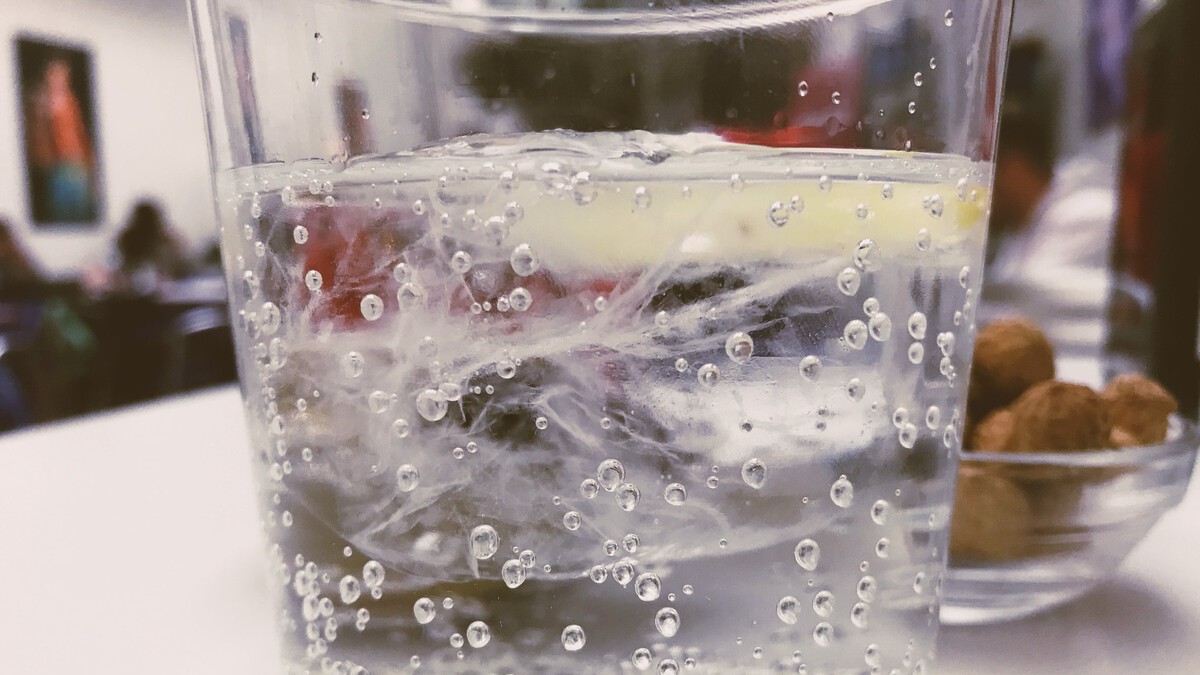
Why Young Spaniards Are Choosing Sparkling Water
Several factors contribute to this trend. Health consciousness is on the rise, with younger generations more aware of alcohol's risks. Additionally, the social pressure to drink alcohol has diminished, making it acceptable to order a non-alcoholic option without stigma.
Sparkling water offers a sense of occasion—it comes in a bottle, can be served with a slice of lemon, and feels more adult than a soft drink. It bridges the gap between wanting to participate in social rituals and avoiding alcohol's effects.
The Data Behind the Shift
While comprehensive data on sparkling water consumption in Spain is limited, studies indicate that overall water intake, including carbonated varieties, is rising. However, Spain still lags behind other European countries in sparkling water consumption per capita, suggesting significant room for growth.
The trend is not confined to Spain; it mirrors patterns in other European countries where low- and no-alcohol beverages are gaining market share. This suggests a structural change rather than a temporary fad.
Impact on Bars and Restaurants
For hospitality businesses, the shift presents both challenges and opportunities. Bars that traditionally profited from alcoholic drinks may see lower margins on beverages, but they can adapt by offering premium non-alcoholic options.
Some establishments are already expanding their menus to include artisanal sparkling waters, mocktails, and alcohol-free beers. This caters to the new demand and can attract health-conscious customers who might otherwise stay home. The background to this story is set out in Britain's Million NEETs: The Young Generation Left Behind. A related thread runs through Lonely Generation: How Youth Loneliness Impacts Everyone. Earlier coverage in Trending: latest articles shows how the argument developed.
What This Means for the Beverage Industry
Beverage companies are taking note. Global brands are investing in sparkling water lines, and new startups are emerging with flavored and functional carbonated waters. In Spain, local brands are also stepping up their game. A closer look at the same subject appears in Spain's Tax Agency Forces Workers to Declare Tips as Income. Anyone following the wider picture can start with Spain's 10% Hospitality VAT Under EU Scrutiny: What It Means. The same theme surfaces in Dog Ownership in Spain: Expert Tips for a Happy, Healthy Life, which takes a different angle.
The trend could also influence advertising and product placement, with more emphasis on lifestyle and wellness rather than party culture. Companies that fail to adapt risk losing relevance among younger consumers. Context on how this played out before sits in Ebro Reservoir Water Crisis: Why Spain's Biggest Basin Dried. A companion piece, Earth's Largest Underground Ocean: New Study Explains Hidden Water, approaches the same subject from another angle.
Key Takeaways
- Young Spaniards are increasingly choosing sparkling water over alcohol in social settings.
- Hospitality veterans report a noticeable shift among 18-23 year olds toward carbonated water and energy drinks.
- Health consciousness and reduced social pressure to drink are driving the change.
- Bars and restaurants can capitalize by offering premium non-alcoholic options.
- Spain's sparkling water consumption is still below European averages, indicating growth potential.
Comparing Drinking Habits Across Generations
| Generation | Typical Beverage Choice | Alcohol Consumption |
|---|---|---|
| Baby Boomers | Beer, wine, spirits | Moderate to high |
| Generation X | Beer, wine, cocktails | Moderate |
| Millennials | Craft beer, wine, spirits | Moderate to low |
| Generation Z | Sparkling water, soft drinks, energy drinks | Low |
FAQ
Is sparkling water consumption really increasing in Spain?
Yes, anecdotal evidence from hospitality workers and media reports suggests a growing interest, especially among young people. However, Spain's per capita consumption remains lower than in many other European countries, so the trend is still emerging.
Why are young Spaniards drinking less alcohol?
Health awareness, changing social norms, and a desire for clearer thinking are among the reasons. Many young people prioritize wellness and are less influenced by traditional drinking culture.
How can bars attract the sparkling water generation?
Bars can offer a variety of premium sparkling waters, creative mocktails, and alcohol-free beers. Creating a welcoming atmosphere for non-drinkers and promoting these options can help attract younger customers.
Does this trend affect the economy?
It could lead to changes in the beverage market, with more investment in non-alcoholic products. Hospitality businesses may need to adjust their offerings and pricing strategies to maintain revenue.
Browse the Shop
 Acacia frida deluxe solid wood bed frame |
Bedroom bench |
Bed chest drawers |
Lingerie dresser |
Frame base |
Mirror with jewelry storage |
30 Bathroom Vanity |
Memory foam queen mattress |
Mattresses for back pain |
Nightstand set of 2 |
Grand Goldman Shop |
Civil Lawyer
Deutschland Trikot WM 2026










