

The Strait of Hormuz crisis has exposed a uncomfortable truth for Washington: even the world's most powerful navy cannot keep the world's most important oil chokepoint open alone. Two weeks into the war with Iran, the waterway remains largely blocked to commercial traffic despite massive US bombing campaigns.
President Trump's call for allied warships to escort tankers has met a lukewarm response from traditional partners and rivals alike. The reluctance echoes a lesson Spain learned the hard way in 1988 — that low-cost threats can humble high-tech fleets.
Find Original Home Decor sparking conversation at Grand Goldman Shop.

What Happened: The Blockade That Won't Break
The Strait of Hormuz carries roughly one-fifth of global oil supplies. When Iran began threatening shipping in response to US strikes, insurance rates spiked and major carriers rerouted or paused voyages.
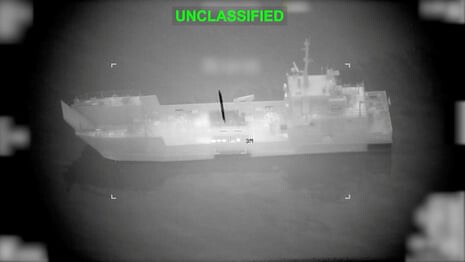
Despite pounding Iranian military installations, the US has not restored safe passage. The White House now wants other nations to send warships to escort commercial vessels — a request that has landed poorly in many capitals.
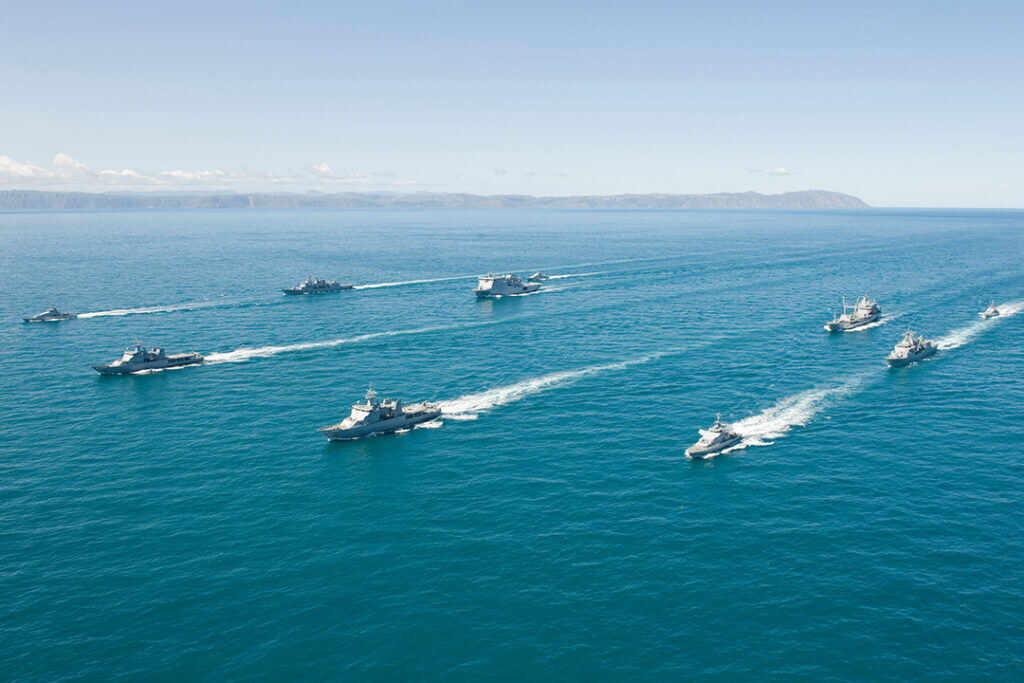
Why the 1988 'Tanker War' Still Matters
During the Iran-Iraq War, a single low-cost naval mine nearly sank the USS Samuel B. Roberts, a modern US frigate. The blast wounded dozens and forced a massive rethinking of how navies protect shipping in narrow straits.
That incident proved that in chokepoints like Hormuz, a handful of well-placed threats — mines, fast attack craft, anti-ship missiles — can disrupt entire fleets and shake the global economy. Today's Iran has far more tools at its disposal.
The Reluctant Allies: Who's Saying What
Traditional partners like the UK and France have offered cautious statements but no firm commitments. Rival powers like China, which relies heavily on Gulf oil, have also been approached — a sign of how desperate the situation has become.
Several factors explain the hesitation. Allies fear being drawn into a wider war, worry about the legal basis for escort operations, and doubt that naval escorts can guarantee safety against asymmetric threats.
- Escalation risk: Sending warships could trigger direct clashes with Iranian forces.
- Limited effectiveness: Escorts cannot cover every tanker or neutralize all threats.
- Domestic politics: Leaders are wary of casualties in an unpopular conflict.
- Legal ambiguity: No clear UN mandate exists for a multilateral escort force.
- Economic stakes: Nations dependent on Gulf oil fear retaliation against their ships.
Comparison: Naval Capabilities and Willingness to Escort
| Country | Naval Assets | Stated Position | Likely Contribution |
|---|---|---|---|
| United States | Carrier strike groups, destroyers | Leading escort call | Already deployed |
| United Kingdom | Destroyers, frigates | Cautious support | Limited escort role |
| France | Frigates, amphibious ships | Monitoring situation | Unclear |
| China | Destroyers, frigates | No public commitment | Unlikely |
| Spain | Frigates, patrol vessels | Historic caution | Minimal |
What This Means for Global Oil and Trade
The standoff is already affecting energy markets. Oil prices have climbed as traders price in prolonged disruption. Asian economies that depend on Gulf crude are particularly vulnerable.
If the strait remains closed for weeks, expect higher fuel costs, slower growth, and a rethink of just-in-time supply chains. The crisis is a reminder that a single chokepoint can hold the global economy hostage. The background to this story is set out in Trump Threatens to Declare Strait of Hormuz US Territory. A related thread runs through Strait of Hormuz Swim Highlights War's Environmental Toll. Earlier coverage in Russian Oligarch's Superyacht Crosses Strait of Hormuz Alone shows how the argument developed.
What to Watch Next
Look for behind-the-scenes diplomacy to intensify. Washington may offer incentives or security guarantees to coax allies into joining a coalition. Iran, meanwhile, may calibrate its threats to avoid provoking a unified response. A closer look at the same subject appears in Russian Superyacht Defies Strait of Hormuz Blockade. Anyone following the wider picture can start with Ukraine War Intelligence Sharing Crisis: Zelenskyy Slams Allies. The same theme surfaces in UAE's West-East Pipeline: Bypassing the Strait of Hormuz, which takes a different angle.
The key question is whether the US can assemble even a modest multinational escort force. Without one, the blockade could drag on, with consequences for everything from gas prices to geopolitical stability. Context on how this played out before sits in Ceuta Crisis: EU Allies Turn on Spain Over Migration. A companion piece, Iran Issues Tough Demands to Reopen Strait of Hormuz, approaches the same subject from another angle.
FAQ
Why is the Strait of Hormuz so important?
The strait is a narrow waterway through which about one-fifth of the world's oil passes. Any disruption there quickly affects global energy prices and economic stability.
What happened in the 1988 'Tanker War'?
During the Iran-Iraq War, Iran attacked oil tankers, prompting the US to escort reflagged Kuwaiti tankers. A mine severely damaged the USS Samuel B. Roberts, highlighting the vulnerability of modern warships to low-cost threats.
Why are US allies reluctant to send warships?
Allies fear escalation, doubt the effectiveness of escorts against asymmetric threats, and worry about domestic political backlash. Many also lack a clear legal mandate for such operations.
What could happen if the strait stays closed?
Oil prices would likely spike further, hurting global growth. Supply chains would be disrupted, and energy-importing nations would face serious economic challenges.
Browse the Shop
 Acacia frida deluxe solid wood bed frame |
Bedroom bench |
Bed chest drawers |
Lingerie dresser |
Frame base |
Mirror with jewelry storage |
30 Bathroom Vanity |
Memory foam queen mattress |
Mattresses for back pain |
Nightstand set of 2 |
Grand Goldman Shop |
Civil Lawyer
Deutschland Trikot WM 2026







