

Tokyo's Shinjuku ward is cracking down on Airbnb-style short-term rentals, known as minpaku, after residents complained about noise, trash, and rule-breaking tourists. The district, famous for its neon-lit streets and bustling nightlife, is taking action to protect the daily lives of its 350,000 residents.
Shinjuku's local government plans to revise its ordinance to restrict private lodging in residential areas, near schools, and around places of interest. The goal is not a total ban but a targeted approach to reduce conflicts between tourists and locals.
Find Original, High-end Home Decor that spark conversation at Grand Goldman Shop.
Why Shinjuku Is Targeting Minpaku Rentals
Shinjuku has become a magnet for tourists from around the world, drawn by attractions like Shinjuku Gyoen and the Imperial Palace. Many stay in private rental apartments, but some visitors have been careless with waste, noisy, and smoking in prohibited areas.
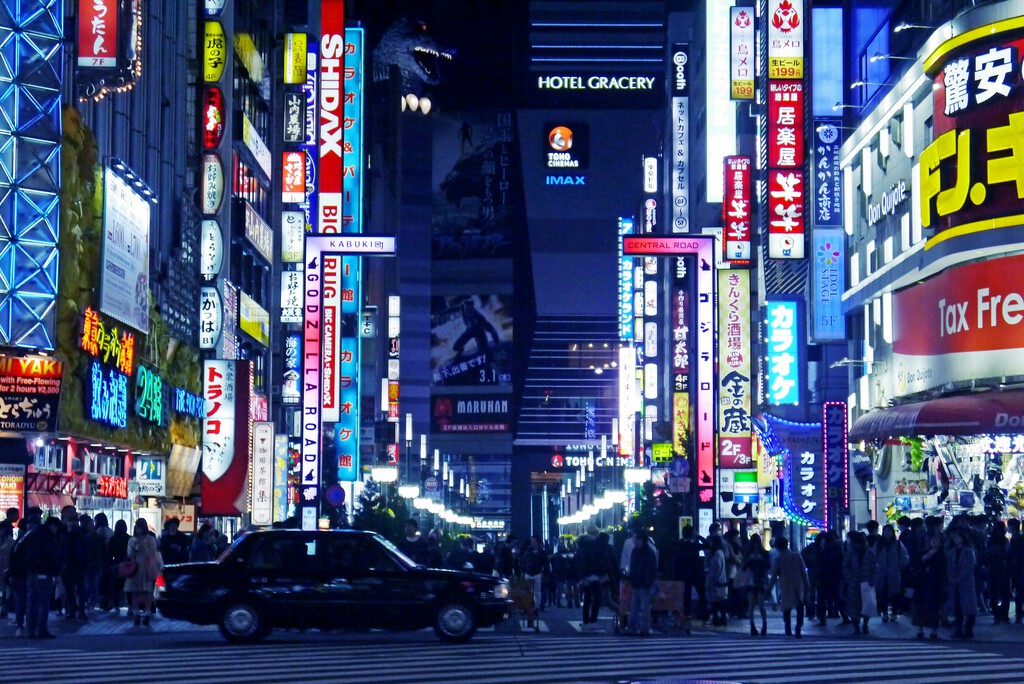
In just one year, residents filed over 1,300 complaints about disturbances caused by tourists staying in these rentals. The situation has pushed local authorities to take decisive action.
What the New Regulations Entail
The proposed changes focus on the most problematic rentals—those in quiet residential neighborhoods, close to schools, and near cultural sites. By modifying the ordinance, Shinjuku aims to strike a balance between tourism and livability.
A public consultation is scheduled for October to gather feedback and ideas from residents and stakeholders. This will be followed by the implementation of the new rules in the coming months.
- Targeted restrictions: Focus on rentals in residential zones, near schools, and places of interest.
- Resident complaints: Over 1,300 complaints in a year about noise, trash, and rule violations.
- Public consultation: Scheduled for October to involve the community in decision-making.
- Not a total ban: The goal is to reduce impact, not eliminate all short-term rentals.
- Impact on travelers: Fewer options in certain areas; higher demand for regulated accommodations.
How This Affects Travelers and the Local Economy
For travelers, the new rules may mean fewer Airbnb options in Shinjuku's residential areas. However, the district remains a prime destination, and hotels and licensed accommodations will continue to operate.
The local economy could see a shift as some rental income declines, but the move aims to ensure sustainable tourism that respects residents' quality of life. Similar measures are being watched closely in other tourist hotspots worldwide. The background to this story is set out in Tokyo Shinjuku Bans Short-Term Rentals in Residential Areas. A related thread runs through Trending: latest articles.
Comparison of Accommodation Types in Shinjuku
| Accommodation Type | Regulation Status | Typical Locations | Impact of New Rules |
|---|---|---|---|
| Hotels | Fully licensed | Commercial districts | No change |
| Minpaku (Airbnb-style) | Under revision | Residential areas, near schools | Restricted or banned in targeted zones |
| Hostels | Licensed | Tourist hubs | No change |
| Traditional Ryokan | Licensed | Various | No change |
What to Watch Next
The October public consultation will be a key moment for stakeholders to voice concerns. The final regulations could set a precedent for other Tokyo wards and Japanese cities facing similar overtourism issues. Earlier coverage in Pico 4 Ultra VR Headset Deal: Save Big on 4K-Ready VR shows how the argument developed. A closer look at the same subject appears in Móstoles-Navalcarnero Train: 22 Years, €162M Wasted, Now Revived.
Travelers planning to visit Shinjuku should stay informed about accommodation options and book early, as the supply of short-term rentals may shrink. The district's efforts reflect a growing global trend of cities balancing tourism growth with resident well-being. Anyone following the wider picture can start with Philips 65-Inch QLED TV with Ambilight Drops to Record Low Price at Carrefour. The same theme surfaces in iOS 27 Launches Today, but EU Users Miss Out on Siri AI, which takes a different angle.
FAQ
What are minpaku rentals?
Minpaku are private short-term lodging rentals, similar to Airbnb, that allow tourists to stay in residential apartments or houses. In Japan, they are regulated under the Minpaku Law, but local governments can impose additional restrictions.
Why is Shinjuku restricting short-term rentals?
Shinjuku is responding to resident complaints about noise, trash, and rule-breaking by tourists. Over 1,300 complaints were filed in a year, prompting the local government to revise its ordinance to protect residential areas.
Will all Airbnb rentals in Shinjuku be banned?
No, the plan is not a total ban. The restrictions target the most problematic rentals, particularly those in residential zones, near schools, and places of interest. Licensed hotels and other accommodations remain unaffected.
How can travelers find alternative accommodations in Shinjuku?
Travelers can book hotels, hostels, or traditional ryokan, which are fully licensed and not subject to the new restrictions. It's advisable to book early and check for licensed properties to ensure a smooth stay.
Browse the Shop
 Acacia frida deluxe solid wood bed frame |
Bedroom bench |
Bed chest drawers |
Lingerie dresser |
Frame base |
Mirror with jewelry storage |
30 Bathroom Vanity |
Memory foam queen mattress |
Mattresses for back pain |
Nightstand set of 2 |
Grand Goldman Shop |
Civil Lawyer
Deutschland Trikot WM 2026







