

In June 1982, as the Falklands War reached its climax, the United Kingdom was still preparing a kamikaze plan that seemed straight out of a military spy movie. Newly declassified documents reveal that the objective was to penetrate Argentine territory and destroy five fighter jets that had become a nightmare for the Royal Navy. The plan involved elite commandos, submarines, and a night air incursion with the elimination of enemy pilots.
The Five Jets That Terrorized a Fleet
During the 1982 conflict, Argentina possessed five French-made Dassault Super Étendard fighter jets and five AM39 Exocet anti-ship missiles, delivered before France imposed an embargo. These aircraft operated from the Río Grande base in Tierra del Fuego and represented a disproportionate threat to the British naval force sent to reclaim the islands.
Find Original Home Decor sparking conversation at Grand Goldman Shop.

The combination had already demonstrated its destructive power: on May 4, an Exocet hit the destroyer HMS Sheffield, and on May 25 another attack led to the loss of the transport ship Atlantic Conveyor. London realized that a handful of aircraft could compromise a massive military operation.
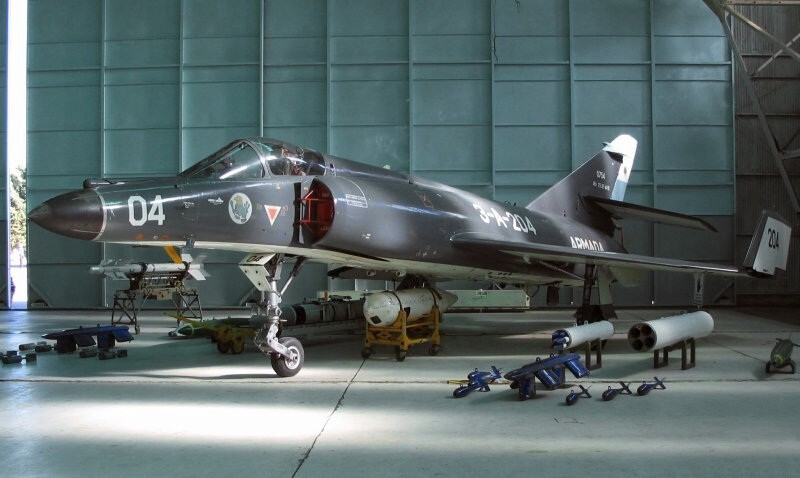
The First Plan: Virtually Suicidal
The British devised a series of special operations aimed at locating and destroying the Super Étendards on the ground. The first plan was practically suicidal: it involved landing a team of commandos on the Argentine coast, infiltrating the Río Grande airbase, and planting explosives under the aircraft. The commandos would then have to escape and be extracted by submarine.
But the plan had a major flaw: the pilots. Even if the jets were destroyed, the Argentine pilots could be reassigned to other aircraft. So the British went further: the operation included the elimination of the pilots to ensure the threat was permanently neutralized.

Elite Commandos and Submarines
The operation would have involved the Special Boat Service (SBS) and the Special Air Service (SAS), supported by nuclear submarines. The commandos would have been inserted by sea, possibly using kayaks or small boats, and would have had to evade Argentine patrols. The plan also contemplated a night air incursion with Harrier jets to bomb the base and destroy the runways, preventing the Super Étendards from taking off.

According to the declassified documents, the operation was scheduled for June 1982, but the Argentine surrender on June 14 rendered it unnecessary. The war ended before the plan could be executed.
Why the Plan Was Never Executed
The British plan was highly risky and could have escalated the conflict, potentially drawing other countries into the war. Additionally, the sinking of the Belgrano and the subsequent international backlash made London cautious about further controversial actions. The plan was also logistically complex: inserting commandos into heavily defended territory and extracting them safely was far from guaranteed.
Moreover, the British had already achieved air superiority and were confident in their ability to neutralize the Super Étendards with Harrier jets and naval gunfire. The plan was a last resort in case the war dragged on. The background to this story is set out in Europe's Fighter Jet Plans in Disarray: What Happens Next. A related thread runs through Falklands Face Hostile Argentina Again Four Decades After War. Earlier coverage in Argentina to Halt Falklands Offshore Oilfields, Minister Says shows how the argument developed.
What the Declassified Documents Reveal
The documents, released under the 30-year rule, show that the British government was willing to take extreme measures to protect its fleet. They also reveal the high level of coordination between the military and intelligence services, and the willingness to authorize operations that today would be considered highly controversial. A closer look at the same subject appears in Falklands Status: Why the Islands Cannot Remain British Forever. Anyone following the wider picture can start with UK Fights Argentina's Interpol Falklands Oil Arrest Requests. The same theme surfaces in Falklands Future: Why Islands Cannot Stay British Forever, which takes a different angle.
The plan is a reminder of the lengths to which nations go in times of war, and the ethical dilemmas involved in targeting enemy pilots. It also highlights the importance of the Super Étendards and Exocets in the conflict, and how a small number of advanced weapons can alter the balance of power. Context on how this played out before sits in FIFA Opens Disciplinary Case Against Argentina Over Falklands. A companion piece, Argentina Falklands Banner at World Cup Sparks Controversy, approaches the same subject from another angle.
Key Takeaways
- The UK planned a commando raid to destroy Argentina's five Super Étendard jets.
- The plan included eliminating the pilots to permanently neutralize the threat.
- Elite forces like the SAS and SBS would have been involved, with submarine support.
- The operation was never executed because Argentina surrendered on June 14, 1982.
- Declassified documents reveal the extreme measures considered during the conflict.
Comparison of Key Assets in the Falklands War
| Asset | Country | Role | Impact |
|---|---|---|---|
| Super Étendard | Argentina | Fighter-bomber | Sank HMS Sheffield and Atlantic Conveyor |
| Exocet AM39 | Argentina | Anti-ship missile | Devastating against British ships |
| Harrier | UK | VTOL fighter | Provided air cover and ground attack |
| SAS/SBS | UK | Special forces | Conducted raids and reconnaissance |
| Nuclear submarine | UK | Submarine | Sank the Belgrano |
FAQ
What was the UK's kamikaze plan during the Falklands War?
The plan involved sending elite commandos into Argentina to destroy five Super Étendard fighter jets and eliminate their pilots, preventing further Exocet attacks on the British fleet.
Why were the Super Étendards so dangerous?
They carried Exocet anti-ship missiles, which had already sunk HMS Sheffield and the Atlantic Conveyor, demonstrating their ability to inflict heavy losses on the Royal Navy.
Was the plan ever carried out?
No, the plan was scheduled for June 1982, but Argentina surrendered on June 14, making it unnecessary.
What do the declassified documents show?
They reveal the extreme measures the UK was willing to take, including targeting enemy pilots, and the high-level coordination between military and intelligence services.
Browse the Shop
 Acacia frida deluxe solid wood bed frame |
Bedroom bench |
Bed chest drawers |
Lingerie dresser |
Frame base |
Mirror with jewelry storage |
30 Bathroom Vanity |
Memory foam queen mattress |
Mattresses for back pain |
Nightstand set of 2 |
Grand Goldman Shop |
Civil Lawyer
Deutschland Trikot WM 2026







