

The space race between the United States and China is escalating in an unexpected theater: the clear skies over Chile and other South American locations. This new competition for astronomical and strategic advantage echoes the Cold War, but with modern stakes.
During the Cold War, British astronomers detected a mysterious periodic signal from space and nicknamed it "LGM-1" for "Little Green Men." For weeks, some seriously considered the possibility of an artificial message from extraterrestrials—until they realized they had discovered the first pulsar. Today, the skies over South America are again the backdrop for a high-stakes rivalry, but this time the "little green men" are replaced by superpowers jostling for technological and military edge.
Find Original Home Decor sparking conversation at Grand Goldman Shop.

Why South America's Skies Are a New Battleground
South America, particularly the Atacama Desert in Chile, the Argentine Andes, and Patagonia, offers some of the clearest and driest skies on Earth—ideal for astronomical observation. For decades, these locations hosted shared international projects among universities. Now, they have become arenas of strategic competition.

The New York Times reported that the rivalry between the US and China is shifting to these pristine skies. What was once purely scientific collaboration is now viewed through a lens of national security. Washington suspects that some of China's space infrastructure in South America could serve dual purposes: not only deep-space observation but also satellite tracking, military communications support, and expanding Beijing's technological footprint in the Western Hemisphere.
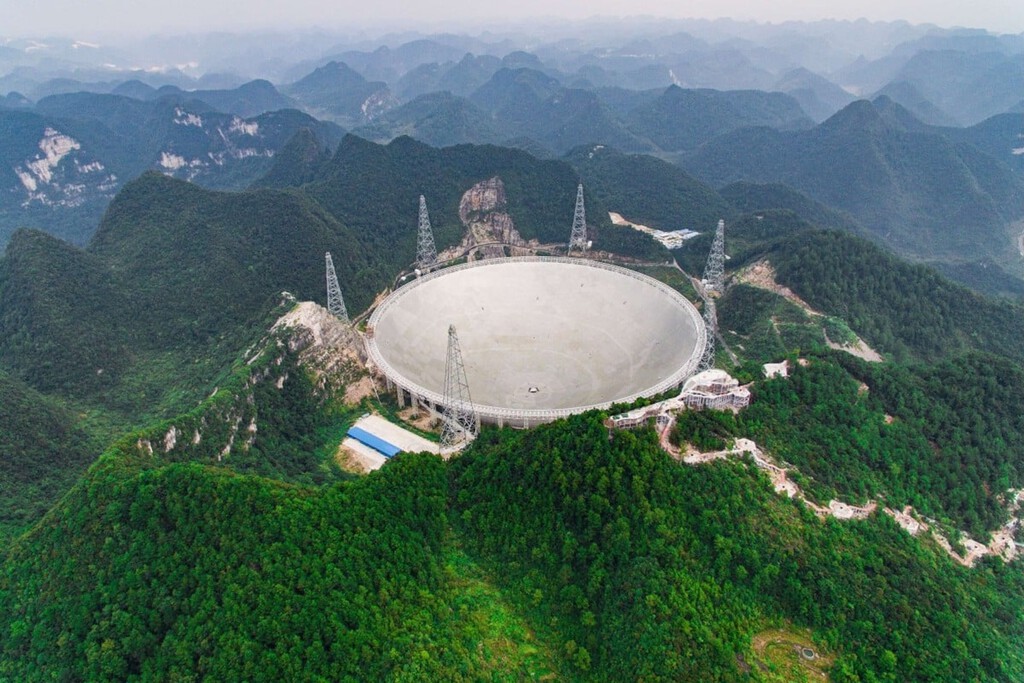
The Stakes: Science, Security, and Sovereignty
The competition is not just about who can build the biggest telescope. It's about control over strategic assets that can enhance a nation's ability to monitor space activities, communicate securely, and project power. For the US, China's presence in its traditional sphere of influence is a concern. For China, access to these skies represents a leap in scientific prestige and technological capability.
This new Cold War is being fought silently, through antennas, radio telescopes, and space stations. The outcome could shape the future of space exploration and global power dynamics for decades.
Key Takeaways
- Strategic location: South America's clear skies are ideal for astronomy and satellite tracking, making them valuable for both science and defense.
- Dual-use technology: Space infrastructure can serve civilian and military purposes, raising suspicions and fueling rivalry.
- New Cold War: The US and China are competing for influence in the Western Hemisphere, with space technology as a key domain.
- Scientific collaboration at risk: Shared projects may become casualties of geopolitical tensions.
- Future implications: The race for space-based advantages will likely intensify, affecting global security and technological leadership.
Comparing the Players: US vs. China in South America
| Aspect | United States | China |
|---|---|---|
| Presence in South America | Long-standing scientific collaborations, military partnerships | Growing investments in infrastructure, space facilities |
| Key facilities | Observatories, satellite tracking stations | Radio telescopes, space stations (e.g., in Argentina) |
| Primary concerns | China's dual-use technology, regional influence | US containment, technological independence |
| Strategic goals | Maintain technological superiority, monitor activities | Expand global reach, advance space program |
What to Watch Next
The competition is likely to intensify as both nations invest in space infrastructure. Diplomatic tensions may rise, and South American countries could find themselves navigating between the two powers. The outcome will depend on how the US and China manage their rivalry and whether scientific collaboration can survive the geopolitical squeeze. The background to this story is set out in Project Diana: The 1946 Moon Radar Signal That Launched the Space Race. A related thread runs through Latin America's Space Race: Why It Matters and Who Leads. Earlier coverage in Private Space Race Adds Lazuli Telescope to Study Exoplanets shows how the argument developed.
For those following energy and utility sectors, the intersection of space technology and national security is a growing area of interest. The same strategic thinking applies to other domains, such as fusion energy research. China's recent development of a 582-ton magnet for artificial sun fusion energy highlights how technological competition extends beyond space. To understand how such innovations could reshape global energy dynamics, read about China's 582-ton magnet for artificial sun fusion energy. A closer look at the same subject appears in Consum Overtakes Mercadona in Valencia Retail Space Race. Anyone following the wider picture can start with Chilean Astronomers Find First Exomoon Candidate Evidence. The same theme surfaces in Why US-China Rivalry Is a Gift for Australia's Economy, which takes a different angle.
As the US and China vie for dominance in space, the implications for global security and technological leadership are profound. The clear skies of Chile have become a silent battlefield, and the world is watching. Context on how this played out before sits in Iberian Heatwaves Visualized as Ocean Waves Signal Escalating Climate Crisis.
FAQ
Why is Chile important in the US-China space race?
Chile's Atacama Desert offers some of the clearest skies on Earth, making it ideal for astronomical observation and satellite tracking. Both the US and China seek to leverage this strategic location for scientific and military purposes.
What is the US concerned about regarding China's space infrastructure in South America?
The US suspects that China's facilities could be used for dual purposes: deep-space observation and military applications like satellite tracking and communications support, potentially expanding China's influence in the Western Hemisphere.
How does this competition affect scientific collaboration?
Geopolitical tensions may hinder shared international projects, as national security concerns override scientific cooperation. This could slow progress in astronomy and space exploration.
What are the potential outcomes of this new space race?
The race could lead to increased technological advancements but also heightened tensions. South American countries may need to balance relationships with both powers, and the global balance of power could shift.
Browse the Shop
 Acacia frida deluxe solid wood bed frame |
Bedroom bench |
Bed chest drawers |
Lingerie dresser |
Frame base |
Mirror with jewelry storage |
30 Bathroom Vanity |
Memory foam queen mattress |
Mattresses for back pain |
Nightstand set of 2 |
Grand Goldman Shop |
Civil Lawyer
Deutschland Trikot WM 2026







