

In 2013, the US dropped 2,000 poison mice over Guam to combat the invasive brown tree snake, a predator that has devastated the island's bird populations and caused frequent power outages. The operation, using dead mice stuffed with acetaminophen (paracetamol), was a last-ditch effort to protect the ecosystem and infrastructure.
The Brown Tree Snake Invasion
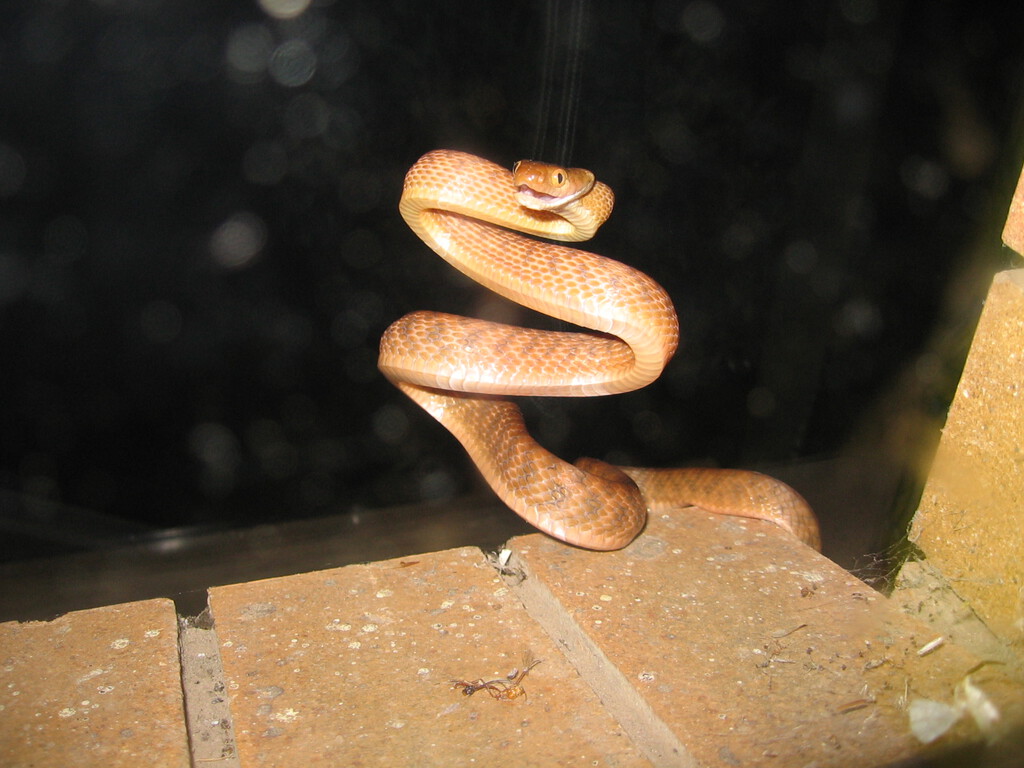
The brown tree snake (Boiga irregularis), native to Australia and Papua New Guinea, arrived on Guam accidentally after World War II, likely hidden in military cargo. With no natural predators and an abundance of prey, the snake population exploded.
Find Original Home Decor sparking conversation at Grand Goldman Shop.

In just a few decades, the snakes caused the extinction or collapse of most native forest birds, including the Guam rail and the Micronesian kingfisher. They also altered the island's ecology and became a constant economic nuisance by infiltrating electrical substations and causing dozens of power outages each year.

Why Poison Mice?
Traditional control methods—traps, detector dogs, and night patrols—proved insufficient. The snakes are arboreal and often inaccessible. So wildlife managers turned to a novel approach: dropping dead mice laced with acetaminophen, which is toxic to snakes but relatively safe for other wildlife.
The mice were equipped with small cardboard parachutes to ensure they landed in the forest canopy, where the snakes live. The parachutes also slowed the fall, preventing the mice from getting stuck in trees or landing in water.
How the Operation Worked
In 2013, helicopters flew over Guam's forests and released about 2,000 dead mice. Each mouse contained a lethal dose of acetaminophen for a brown tree snake. The baits were designed to be attractive to snakes and were dropped in areas with high snake density.
The operation was carefully monitored to minimize risks to non-target species. Acetaminophen is toxic to snakes but less so to mammals and birds, and the dose was calibrated to be safe for other animals. The mice were also dyed and scented to deter other wildlife.
Results and Impact
Initial results were promising: snake populations in treated areas declined, and bird populations began to recover. However, the method is not a silver bullet. It requires repeated applications and is expensive. The operation highlighted the challenges of controlling invasive species in remote ecosystems.
The Guam experience has become a case study for invasive species management, demonstrating both the creativity and limitations of such tactics. It also underscored the importance of biosecurity to prevent future invasions. The background to this story is set out in Florida Python Challenge Winner Kills 96 Invasive Snakes. A related thread runs through Hidden Wildlife Beneath the Hollywood Sign: Snakes, Bobcats. Earlier coverage in Japan's Stray Cat Invasive Species Plan Sparks Backlash shows how the argument developed.
What This Means for Other Ecosystems
Invasive species are a global problem, costing economies billions and driving biodiversity loss. The Guam snake case shows that sometimes unconventional methods are necessary, but they must be part of a broader strategy that includes prevention, early detection, and long-term monitoring. A closer look at the same subject appears in Invasive Species Cost Australia Billions: How to Respond. Anyone following the wider picture can start with Invasive Species Cost Australia $24.5B: How to Respond. The same theme surfaces in Big-Money Donations Poison British Politics: How to Stop the Mega-Rich, which takes a different angle.
For islands and mainland areas facing similar threats, the lessons are clear: act early, use integrated approaches, and engage experts. The parachuting mice may seem absurd, but they represent a serious effort to undo ecological damage. Context on how this played out before sits in Italian Ban on Poison Baits: What Pest Pros Must Know. A companion piece, Snake Management by Pest Control Professionals: A Complete Guide, approaches the same subject from another angle.
FAQ
Why did the US drop mice on Guam?
The US dropped dead mice filled with acetaminophen to kill invasive brown tree snakes, which have devastated bird populations and caused power outages. The mice were a targeted delivery system for the poison.
Is acetaminophen safe for other animals?
Acetaminophen is highly toxic to snakes but less so to mammals and birds. The baits were designed to minimize risk to non-target species, and the dose was calibrated accordingly.
Did the operation succeed?
The operation reduced snake numbers in treated areas and helped bird populations recover, but it was not a permanent solution. It requires ongoing effort and integration with other methods.
How did the brown tree snake get to Guam?
The snake likely arrived as a stowaway in military cargo after World War II. Without natural predators, it thrived and spread across the island.
Browse the Shop
 Acacia frida deluxe solid wood bed frame |
Bedroom bench |
Bed chest drawers |
Lingerie dresser |
Frame base |
Mirror with jewelry storage |
30 Bathroom Vanity |
Memory foam queen mattress |
Mattresses for back pain |
Nightstand set of 2 |
Grand Goldman Shop |
Civil Lawyer
Deutschland Trikot WM 2026







