

In a trend that challenges the conventional wisdom of young people flocking to cities, Mario Pérez, a 23-year-old from Valencia, has found success by doing the opposite: he moved to a tiny village in Cuenca with just 96 residents to open a bar. His story highlights the untapped opportunities in rural Spain and the growing appeal of a slower, more affordable lifestyle.
From City Life to Rural Entrepreneurship
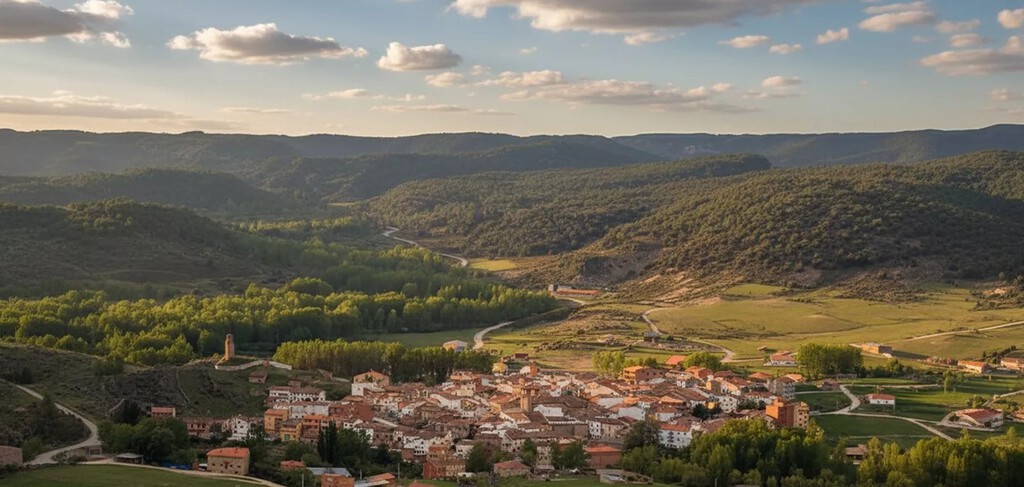
Mario's background is typical of many in Generation Z: raised in Valencia, he worked in hospitality. But three years ago, he made a life-changing decision. Instead of pursuing opportunities in a major city, he packed his bags and moved to Valdemoro-Sierra, a small municipality in the Serranía Media region of Cuenca. With only 96 inhabitants according to INE data, the village might seem an unlikely place for a young entrepreneur. Yet for Mario, it offered exactly what he needed: a chance to start a business and buy a home without the financial burden of city prices.
Find Original, High-end Home Decor that spark conversation at Grand Goldman Shop.
Why Rural Spain Offers Opportunities
Mario's case flips the script on rural-to-urban migration. While many leave villages for cities like Madrid or Barcelona in search of jobs and growth, Mario argues that the real opportunities lie in the so-called 'España vaciada'—the emptied Spain. In these small communities, the cost of living is lower, and there is less competition, making it easier for young people to establish themselves.
- Affordable housing: Buying a home in a village is far cheaper than in Valencia or other cities.
- Business opportunities: Small villages often lack essential services, creating a demand for bars, shops, and other businesses.
- Quality of life: A slower pace, close-knit community, and connection to nature appeal to many young people.
- Government support: Various initiatives encourage repopulation of rural areas, offering grants and incentives.
For Mario, the move has been life-changing. "Success is not having to leave," he says, reflecting on his ability to build a life in the village.
Challenges and Rewards of Village Life
Of course, rural entrepreneurship comes with challenges. Limited infrastructure, fewer customers, and the need to adapt to a different rhythm of life are not for everyone. But Mario's bar has become a hub for the community, and he has no regrets. His story is part of a broader movement of young Spaniards revitalizing rural areas. Context on how this played out before sits in Young Entrepreneur Opens Bar in Rural Spain, Defying Urban Migration Trend.
Key Factors for Success in Rural Areas
| Factor | Urban (Valencia) | Rural (Valdemoro-Sierra) |
|---|---|---|
| Average rent (monthly) | €800-€1,200 | €200-€400 |
| Home purchase price | €150,000+ | €30,000-€60,000 |
| Business competition | High | Low |
| Customer base | Large | Small but loyal |
| Quality of life | Fast-paced | Relaxed |
These figures are illustrative and vary by location, but they highlight the financial advantages of rural life. The background to this story is set out in Gen Z Entrepreneurship: Share Your Startup Journey and Challenges. A related thread runs through BBC Hires 26-Year-Old Entrepreneur to Reach Gen Z Audiences.
What This Means for the Future of Rural Spain
Mario's story is not unique. Across Spain, young people are rediscovering the potential of rural areas. The COVID-19 pandemic accelerated this trend, as remote work became more common and people sought more space and connection to nature. However, the challenge remains: many villages still face depopulation and lack basic services. Earlier coverage in Rural Spain Offers Cheap Stone Houses and Tax Breaks for Entrepreneurs shows how the argument developed. A closer look at the same subject appears in Solar Ambulance: A Solution for Spain's Depopulated Rural Areas.
For those considering a similar move, Mario's advice is simple: do your research, be prepared to adapt, and embrace the community. The rewards can be immense, both personally and professionally. Anyone following the wider picture can start with Trending: latest articles. The same theme surfaces in Valencia Village Offers Rent for €300 a Month to Attract New Residents, which takes a different angle.
FAQ
Why did Mario Pérez move to a rural village?
Mario moved to Valdemoro-Sierra to open a bar and buy a home, opportunities that were financially out of reach in Valencia. He wanted to build a life without the high costs of city living.
What are the benefits of starting a business in a small village?
Benefits include lower startup and living costs, less competition, and the chance to fill a gap in local services. Additionally, there may be government grants for rural entrepreneurship.
Is rural life suitable for young people?
It can be, especially for those seeking affordability and a slower pace. However, it requires adaptability and a willingness to integrate into a small community.
How can I find opportunities in rural Spain?
Research villages with incentives for new residents, visit in person, and connect with local organizations that support rural development. Online platforms and regional government websites often list available properties and grants.
Browse the Shop
 Acacia frida deluxe solid wood bed frame |
Bedroom bench |
Bed chest drawers |
Lingerie dresser |
Frame base |
Mirror with jewelry storage |
30 Bathroom Vanity |
Memory foam queen mattress |
Mattresses for back pain |
Nightstand set of 2 |
Grand Goldman Shop |
Civil Lawyer
Deutschland Trikot WM 2026







