

Het kiezen tussen Robinhood en Fidelity kan een cruciale beslissing zijn voor elke belegger, of je nu net begint of een diverse investeringsportefeuille beheert. Beide platforms bieden unieke sterke punten, maar richten zich op verschillende typen handelaren en beleggingsstijlen.
Robinhood heeft aan populariteit gewonnen vanwege zijn commissievrije handel, gebruiksvriendelijke app, en toegankelijkheid voor nieuwkomers die willen handelen aandelen, ETF's, cryptocurrencies, en zelfs opties. Intussen is Fidelity een lang gevestigde makelaar, bekend om zijn uitgebreide onderzoeksinstrumenten, robuuste pensioenrekeningen, en een breed scala aan beleggingsfondsen.
Find Bleeding Edge Supplements at Scandalous Prices on iHerb.

De keuze komt uiteindelijk neer op jouw investeringsdoelstellingen en de gewenste aanpak. Als je prioriteit geeft aan eenvoud, mobielgericht ontwerp, en snelle handeluitvoering, kan Robinhood aantrekkelijk zijn. Echter, als je waarde hecht aan diepgaande marktanalyses, financiële planningshulpmiddelen en uitstekende klantenondersteuning, onderscheidt Fidelity zich als een uitgebreide oplossing.
In deze vergelijking analyseren we hun kosten, rekeningtypen, gebruikerservaring, activa-aanbod, en educatieve bronnen om je te helpen beslissen welk platform het beste aansluit bij jouw langetermijnbeleggingsstrategie. Het begrijpen van deze verschillen zorgt ervoor dat je een platform kiest dat bij je past — of je nu een pensioenportefeuille opbouwt, verkennen actief handelen, of een balans tussen beide zoekt. Aan het einde beschik je over alle essentiële inzichten om een slimmere keuze te maken tussen Robinhood en Fidelity voor jouw financiële toekomst.

Probeer het #1 AI-beleggingsplatform gratis: Intellectia
Robinhood: De pionier van commissievrije handel
:max_bytes(150000):strip_icc()/image1-dcdd1f773b2643cc98dc471204937d7a.png)
Hoe Robinhood het beleggingslandschap heeft veranderd
Robinhood staat bekend om het revolutioneren van de beleggingswereld door handel zonder commissies te introduceren. Gelanceerd in 2013, verwierf het snel populariteit onder jonge, tech-savvy beleggers die op zoek waren naar een gemakkelijke toegang tot de aandelenmarkt. De innovatieve benadering van beleggen van het platform heeft een aanzienlijke invloed gehad op de manier waarop mensen naar de financiële markten kijken en ermee omgaan.
Robinhoods missie om financiën te democratiseren
Robinhood begon als een baanbrekende kracht in het democratiseren van financiën voor iedereen. Het platform streefde ernaar beleggen voor iedereen toegankelijk te maken, met name voor degenen die eerder vanwege traditionele financiële systemen waren uitgesloten. In de loop der tijd breidde Robinhood zijn aanbod uit zodat het niet alleen aandelen omvatte, maar ook opties en cryptovaluta's, wat de toenemende interesse in diverse beleggingsinstrumenten weerspiegelt.
Belangrijkste kenmerken van Robinhood
Commissievrije transacties
Robinhood was een van de eerste platforms die transacties zonder commissie aanboden, waardoor het een aantrekkelijke keuze is voor mensen die de kosten willen minimaliseren.
Gebruiksvriendelijke interface
De app is ontworpen om intuïtief te zijn en gemakkelijk te navigeren, ideaal voor beginners die een naadloze ervaring willen.
Fractionele aandelen
Robinhood stelt beleggers in staat om fractionele aandelen te kopen, waardoor deelname aan dure aandelen mogelijk is zonder aanzienlijk kapitaal.
Cryptovaluta-handel
In tegenstelling tot traditionele makelaars biedt Robinhood handel in cryptovaluta aan, wat aantrekkelijk is voor wie geïnteresseerd is in digitale activa.
Voordelen en nadelen van het gebruik van Robinhood
Voordelen
Lage kosten: Zonder commissies is Robinhood kosteneffectief voor frequente handelaren.
Toegankelijkheid: De eenvoud van het platform maakt het voor beginners mogelijk om direct te beginnen met beleggen.
Variatie: Biedt aandelen, ETF's en cryptovaluta's op één platform.
Nadelen
Beperkte onderzoeksinstrumenten: Robinhood mist diepgaand onderzoek en educatieve inhoud.
Klantenserviceproblemen: Gebruikers melden beperkte toegang tot live vertegenwoordigers.
Recente controverses: Handelsbeperkingen en juridische controles hebben zorgen gewekt over de betrouwbaarheid.
Gidsen
Beste platform voor beginnende beleggers | Hoeveel geld heb ik nodig om 3000 per maand te verdienen met beleggen? | Hoe verdien je 1000 per maand met beleggen | Hoeveel levert beleggen van 1000 per maand op gedurende 30 jaar? | Robinhood-recensie
Fidelity Investments: Een toonaangevende full-service broker

Geschiedenis en reputatie van Fidelity
Fidelity Investments is een gevestigde effectenmakelaar die bekend staat om zijn uitgebreide dienstverlening en sterke klantenondersteuning. Opgericht in 1946 is Fidelity uitgegroeid tot een van de grootste en meest gerespecteerde financiële instellingen wereldwijd. De innovaties omvatten onder meer de lancering van de eerste supermarkt voor beleggingsfondsen en toonaangevende ontwikkelingen in online handelen.
Belangrijkste kenmerken van Fidelity
Uitgebreide onderzoeksinstrumenten
Fidelity biedt beleggers gedetailleerd onderzoek, deskundige analyses en geavanceerde screeningtools.
Volledig assortiment rekeningtypen
Van IRA's tot 401(k)'s, Fidelity ondersteunt een breed scala aan rekeningtypes voor elke fase van financiële planning.
Sterke Klantenondersteuning
Fidelity staat bekend om zijn responsieve klantenservice via telefoon, chat en persoonlijke consultaties.
Robo-adviseurdiensten
Fidelity Go automatiseert portefeuillebeheer voor beleggers die de voorkeur geven aan een hands-off aanpak.
Voordelen en nadelen van Fidelity
Voordelen
Uitgebreide hulpmiddelen en bronnen: Ideaal voor beleggers die vertrouwen op data-gedreven inzichten.
Diverse beleggingsopties: Beleggingsfondsen, ETF's, opties en meer.
Reputatie en Vertrouwen: Decennia lange geloofwaardigheid en naleving van regelgeving.
Nadelen
Hogere kosten: Sommige producten en diensten brengen kosten met zich mee die niet bij Robinhood voorkomen.
Complexe interface: De overvloed aan functies kan overweldigend zijn voor beginners.
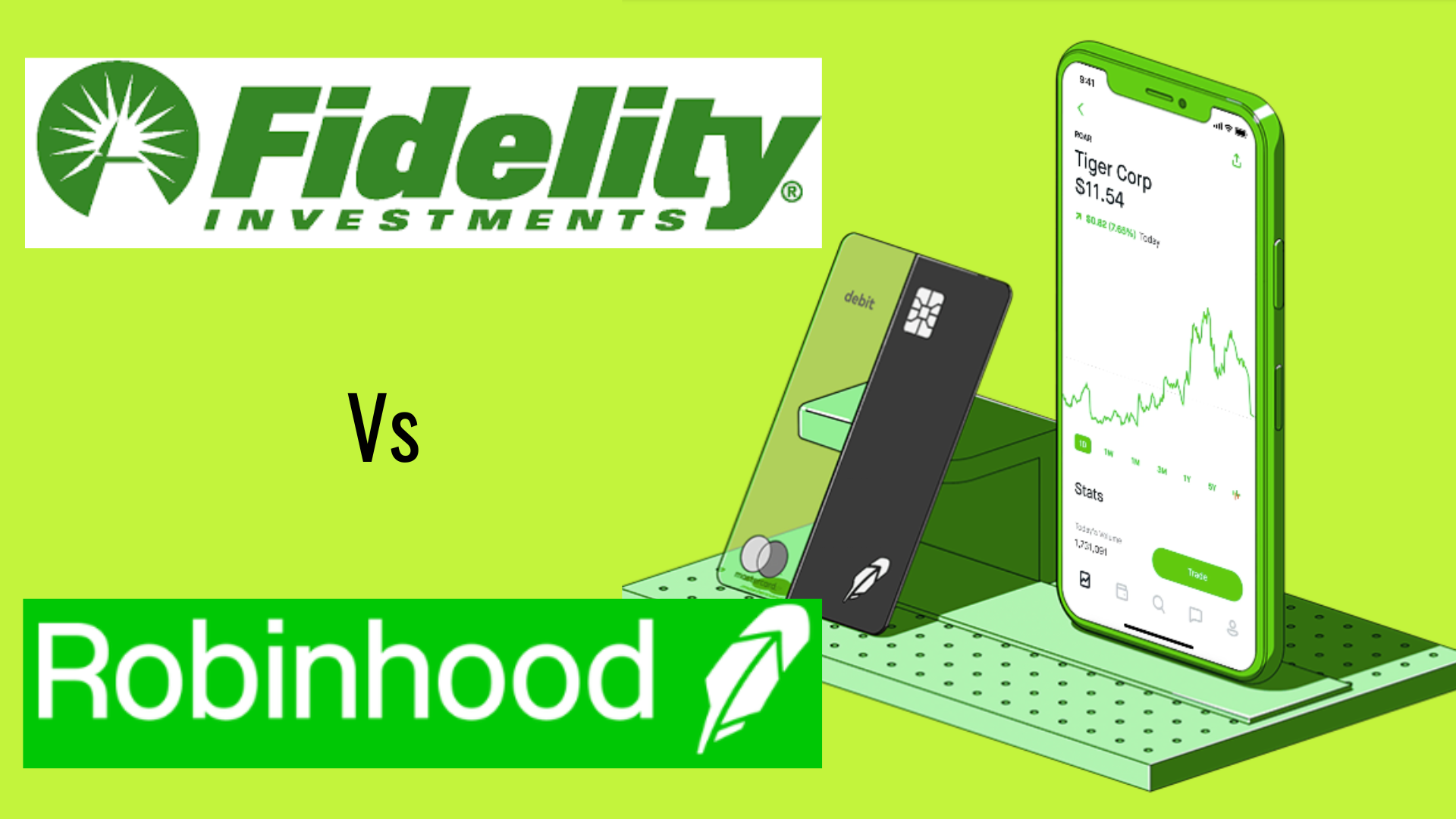
Robinhood vs Fidelity: Vergelijking van prijs, functies en meer
Kosten
Robinhood introduceerde handel zonder commissie, terwijl Fidelity dit sindsdien ook voor aandelen en ETF's heeft ingevoerd. Fidelity kan nog steeds kosten in rekening brengen voor bepaalde beleggingsfondsen of accountdiensten.
Gebruiksgemak
De interface van Robinhood is minimaal en beginnersvriendelijk, terwijl het platform van Fidelity rijk aan functies is en beter geschikt voor ervaren beleggers.
Beleggingsopties
Beide bieden aandelen, ETF's en opties aan. Robinhood voegt cryptohandel toe, terwijl Fidelity uitblinkt in beleggingsfondsen en pensioenspaarrekeningen.
Onderzoek & Educatie
Fidelity onderscheidt zich door robuuste educatieve materialen en onderzoeksinstrumenten die zijn ontworpen voor beleggers van alle niveaus.
Beveiliging en Vertrouwen
Het decennialange trackrecord van Fidelity zorgt voor betrouwbaarheid, terwijl de snelle groei van Robinhood is getemperd door zorgen over beveiliging en transparantie.
Welk platform is beter voor u?
Wanneer voor Robinhood kiezen
Robinhood is geschikt voor beginners en kostenbewuste beleggers die voorkeur geven aan eenvoud, mobiel handelen en toegang tot cryptovaluta.
Wanneer Fidelity kiezen
Fidelity is geschikter voor serieuze of langetermijnbeleggers die waarde hechten aan gedetailleerd onderzoek, sterke ondersteuning en uitgebreid portfoliomanagement.
Tot slot: Robinhood of Fidelity?
Kiezen tussen Robinhood en Fidelity hangt af van uw doelstellingen en ervaringsniveau. Beginners die snel een kostenloze toegang tot beleggen zoeken, geven mogelijk de voorkeur aan Robinhood, terwijl langetermijnbeleggers die waarde hechten aan diepgang, onderzoek en betrouwbaarheid Fidelity zouden moeten kiezen. Beoordeel beide op basis van uw financiële doelstellingen en de functies die u het meest waardeert.

Probeer het #1 AI-beleggingsplatform gratis: Intellectia | Intellectia AI-Beoordeling
Moet ik Robinhood of Fidelity gebruiken voor beleggen? - FAQ
1. Is Robinhood veilig voor beleggen?
Robinhood wordt gereguleerd door de SEC en FINRA en biedt SIPC-verzekering voor effecten. Het is echter onderworpen aan kritiek op de afhandeling van marktvolatiliteit en storingen.
2. Rekent Fidelity handelskosten in rekening?
Fidelity biedt commissievrije handel voor Amerikaanse aandelen en ETF's, maar kan kosten in rekening brengen voor bepaalde beleggingsfondsen of accountdiensten.
3. Kan ik cryptovaluta verhandelen bij Fidelity?
Fidelity ondersteunt geen directe handel in cryptovaluta voor particuliere beleggers, in tegenstelling tot Robinhood.
4. Welke is beter voor beginners?
De eenvoud van Robinhood en de nul-kostenstructuur maken het ideaal voor beginners. Fidelity biedt meer leermiddelen maar kan in het begin complex aanvoelen.
5. Welk platform biedt betere klantenservice?
Fidelity biedt superieure klantenondersteuning via meerdere kanalen, terwijl Robinhood beperkte live-ondersteuningsmogelijkheden heeft.
6. Kan ik zowel Robinhood als Fidelity gebruiken?
Ja. Veel beleggers gebruiken Robinhood voor kortetermijn- of cryptohandel en Fidelity voor langetermijn beleggen en pensioenrekeningen.
Browse the Shop
 Acacia frida deluxe solid wood bed frame |
Bedroom bench |
Bed chest drawers |
Lingerie dresser |
Frame base |
Mirror with jewelry storage |
30 Bathroom Vanity |
Memory foam queen mattress |
Mattresses for back pain |
Nightstand set of 2 |
Grand Goldman Shop |
Civil Lawyer
Deutschland Trikot WM 2026
Acacia frida deluxe solid wood bed frame |
Bedroom bench |
Bed chest drawers |
Lingerie dresser |
Frame base |
Mirror with jewelry storage |
30 Bathroom Vanity |
Memory foam queen mattress |
Mattresses for back pain |
Nightstand set of 2 |
Grand Goldman Shop |
Civil Lawyer
Deutschland Trikot WM 2026










