

Apple's new Siri AI is finally here, two years after it was first promised, and it runs on Google's artificial intelligence models. The long-awaited upgrade was unveiled at Tim Cook's final keynote as CEO, marking a major shift in strategy for Apple and a surprising partnership with its biggest rival.
What Took So Long? The Delayed Promise of Siri AI
In 2024, Apple promised a radically new Siri. It didn't arrive. The company promised again in 2025, and again, it didn't arrive. Now, two years later, Apple has finally delivered a complete overhaul of its assistant. The delay has been a source of frustration for users and a rare public misstep for a company known for its tight control over product timelines.
Find Original Home Decor sparking conversation at Grand Goldman Shop.

The new Siri is not just a minor update; it's a ground-up rebuild that leverages Google's Gemini models. According to Mark Gurman at Bloomberg, Apple is paying approximately $1 billion per year to license a customized Gemini model with about 1.2 trillion parameters. This is not a ChatGPT integration or direct access to Gemini; instead, Apple distills these models to create optimized versions for local execution on iPhone and Mac, while maintaining its own privacy requirements.
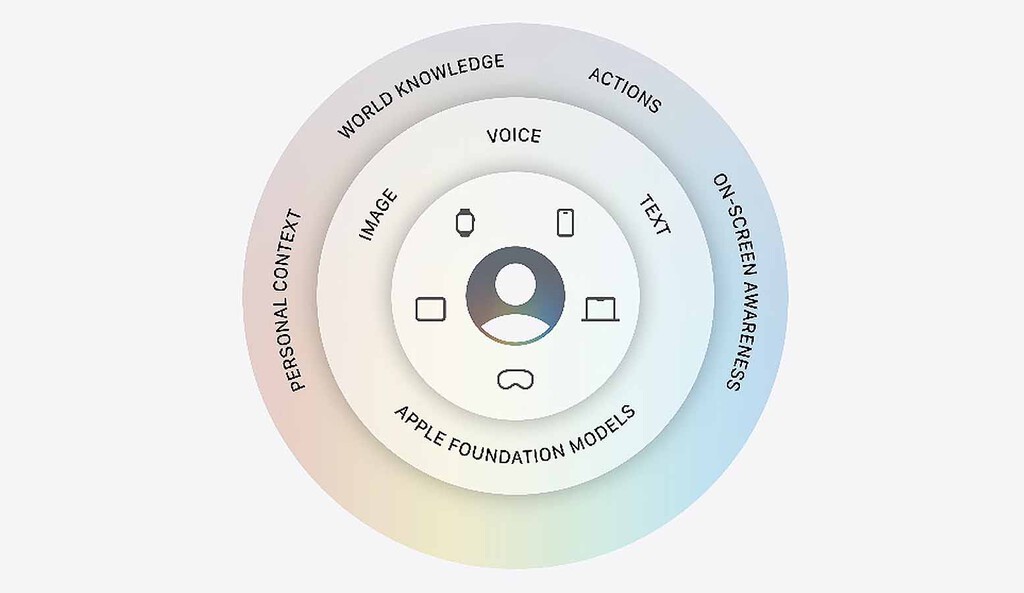
How It Works: Google's Brain, Apple's Privacy
Siri will continue to run on Apple devices locally and on Apple's private cloud, upholding the company's privacy standards. This is Apple's biggest promise: Google provides the AI, but Apple provides the infrastructure, chips, and the guarantee that no one—not even Google—can access your data. The architecture ensures that user data remains encrypted and anonymized, with Apple's on-device processing handling sensitive information.
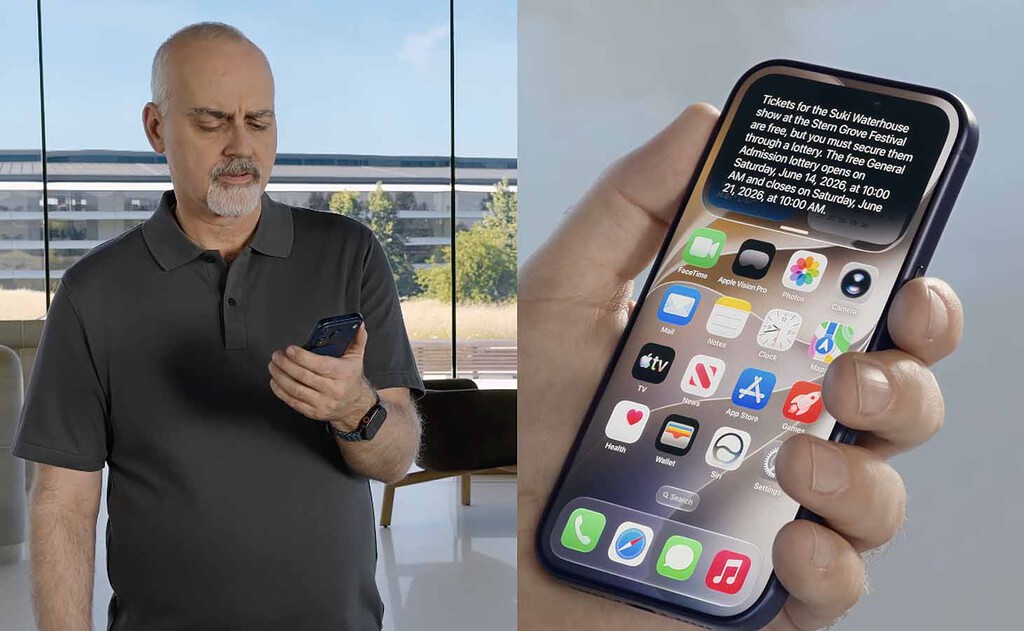
For the first time, Siri has a more natural conversational interface, improved contextual understanding, and the ability to perform complex tasks across apps. It can summarize documents, draft emails, and even generate images, all while keeping your data private. The integration of Google's AI models gives Siri a significant boost in language understanding and reasoning capabilities, closing the gap with competitors like ChatGPT and Google Assistant.
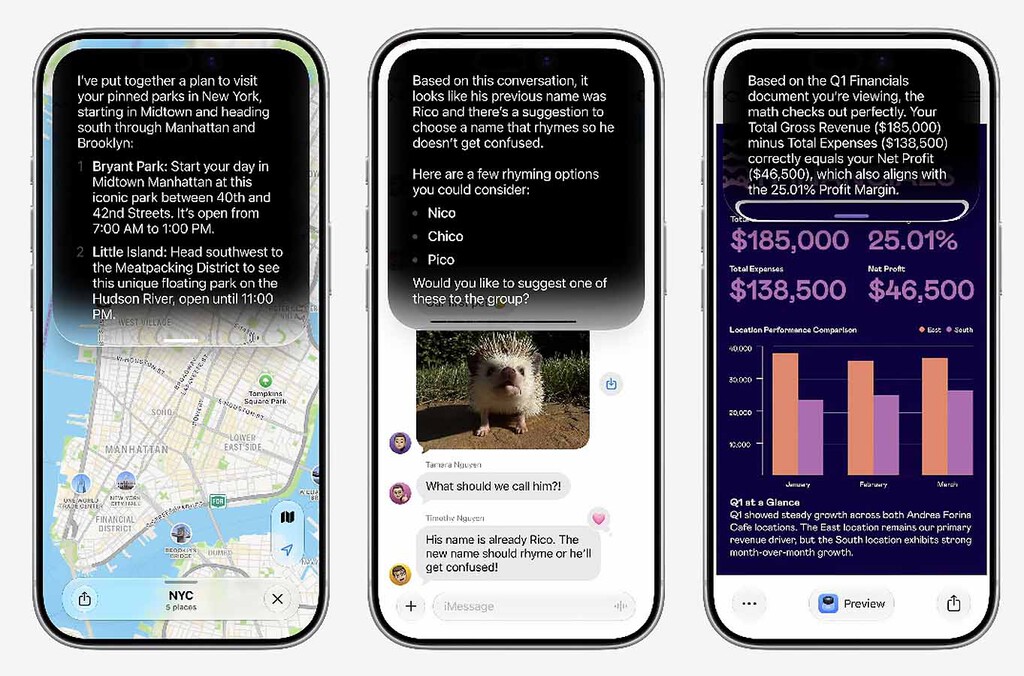
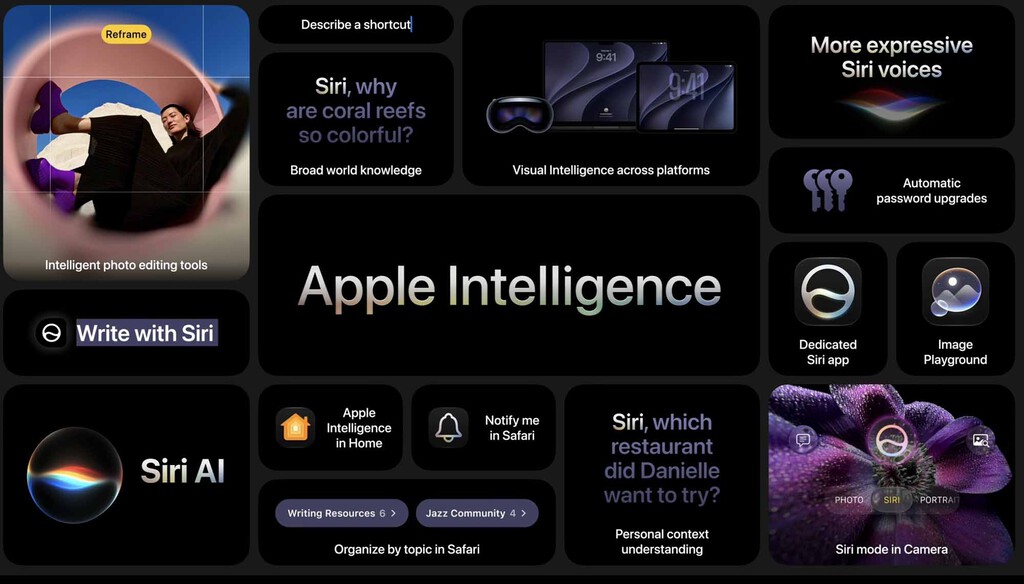
Key Features of the New Siri
- Advanced natural language processing for more human-like conversations.
- On-device processing for faster responses and enhanced privacy.
- Cross-app integration to perform tasks like scheduling and messaging.
- Generative capabilities including text summarization and image creation.
- Seamless sync across iPhone, Mac, and other Apple devices.
The Billion-Dollar Deal with Google
The partnership with Google is a strategic move for Apple, which has struggled to develop AI capabilities in-house. By licensing Google's Gemini models, Apple can leverage state-of-the-art AI without building it from scratch. The deal, worth about $1 billion annually, is a significant investment but one that Apple can easily afford. It also raises questions about Apple's long-term AI strategy and its reliance on a competitor.
Google, on the other hand, gains a powerful ally and a vote of confidence in its AI technology. The partnership could also lead to further collaboration between the two companies, although Apple is likely to continue developing its own AI chips and infrastructure. For now, the deal is a win-win: Apple gets a capable AI assistant, and Google gets a lucrative contract and a showcase for its Gemini models.
Privacy: The Biggest Promise
Apple has made privacy a cornerstone of its brand, and the new Siri is no exception. The company assures users that their data remains private, even though the AI is powered by Google. This is achieved through on-device processing and Apple's private cloud, which uses end-to-end encryption and anonymization. Google does not have access to user data, and Apple's privacy policies remain unchanged.
However, some experts question whether the partnership with Google introduces new privacy risks. Apple maintains that its architecture ensures that user data never leaves its control. The company has also implemented strict data retention policies and transparency reports to reassure users. Only time will tell if these measures are sufficient to maintain trust. The background to this story is set out in Siri AI: Apple's Slow But Ambitious Personal AI Assistant. A related thread runs through Apple vs EU: Siri AI Delay Sparks Clash Over Digital Markets Act. Earlier coverage in Siri After 15 Years Free: Apple's Subscription Plan for AI shows how the argument developed.
What This Means for Users and the AI Landscape
For users, the new Siri promises a more capable and intuitive assistant that can handle a wider range of tasks. It also signals Apple's commitment to AI, even if it means relying on a competitor's technology. The move could pressure other companies to form similar partnerships or accelerate their own AI development. A closer look at the same subject appears in Apple Watch Series 12: Siri Recap and Live Rewind Raise Privacy Concerns. Anyone following the wider picture can start with Folding iPhone Unveiled: Apple's New CEO Takes Center Stage. The same theme surfaces in Google confirms: the new Siri will "run" with Gemini, which takes a different angle.
In the broader AI landscape, the Apple-Google deal highlights the growing importance of large language models and the high costs of developing them. It also underscores the challenges of building AI in-house, even for a company as resourceful as Apple. As AI continues to evolve, we can expect more collaborations and acquisitions in the tech industry. Context on how this played out before sits in Apple Taps Ex-Google Exec to Reboot Siri AI Marketing. A companion piece, Google Home Speaker with Gemini Now Available for Preorder at €119.99, approaches the same subject from another angle.
FAQ
Is the new Siri powered by Google?
Is the new Siri powered by Google?
When will the new Siri be available?
Does Google have access to my data through Siri?
What are the key features of the new Siri?
Browse the Shop
 Acacia frida deluxe solid wood bed frame |
Bedroom bench |
Bed chest drawers |
Lingerie dresser |
Frame base |
Mirror with jewelry storage |
30 Bathroom Vanity |
Memory foam queen mattress |
Mattresses for back pain |
Nightstand set of 2 |
Grand Goldman Shop |
Civil Lawyer
Deutschland Trikot WM 2026







