

A humanoid robot has reached the summit of Chimborazo, a 6,263-meter volcano in Ecuador, marking a new milestone in robotics. The Unitree G1, part of the 'Pemba' initiative led by French engineer Pablo Berlanga, now aims for Mount Everest in October.
This feat showcases how humanoid robots are moving from lab demonstrations to real-world extreme environments. But it also reveals current limitations that must be overcome before such robots can operate fully autonomously.
Find Original Home Decor sparking conversation at Grand Goldman Shop.

The Chimborazo Ascent: A Test of Endurance
On June 5, the Unitree G1 reached the summit of Chimborazo, equipped with special boots and a jacket to protect it from harsh conditions. The robot completed a 16-hour trek, but it didn't climb the entire way on its own.
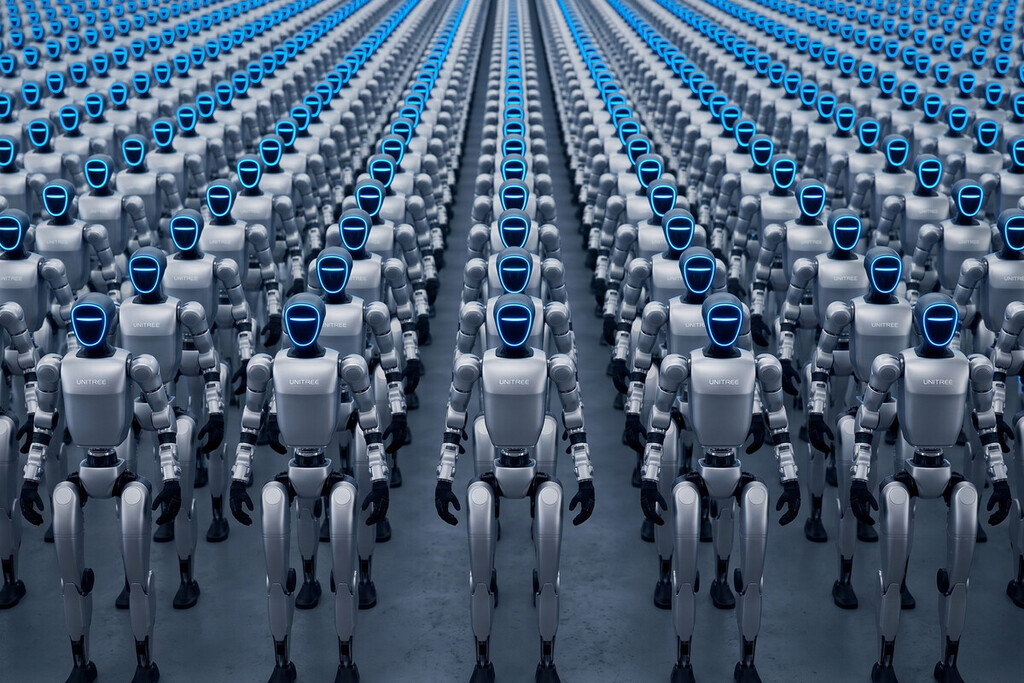
According to reports, the robot cannot handle slopes steeper than 30% incline, so it had to be carried on those sections. This highlights that while humanoid robots are advancing, they still require human assistance in extreme terrain.
Why Chimborazo Matters
Chimborazo is not the highest mountain in the world, but its proximity to the equator makes its summit the farthest point from Earth's center. Climbing it presents unique challenges, including low oxygen levels and extreme weather, making it a valuable testing ground for robotic endurance.
Next Stop: Mauna Kea and Everest
The Pemba team has already scheduled the next climbs. In June, the robot will tackle Mauna Kea in Hawaii, and in October, it will attempt Everest, the world's highest peak.
These ambitious plans suggest confidence in the robot's capabilities, but the Everest attempt will be the ultimate test. The robot will face even lower temperatures, higher altitudes, and more technical terrain.
Why This Matters Beyond the Spectacle
Most robot demonstrations are just that—spectacles. However, the Pemba initiative has a nobler goal: to advance robotic technology for use in search and rescue, environmental monitoring, and other high-risk scenarios.
By pushing humanoid robots to their limits in extreme environments, engineers can identify weaknesses and drive innovation. The data gathered from these climbs could lead to more robust and capable robots for terrestrial and even extraterrestrial exploration.
Key Takeaways
- Unitree G1 reached Chimborazo's summit on June 5, aided by special gear.
- The robot cannot climb slopes over 30% incline and had to be carried on steep sections.
- Next challenges include Mauna Kea in June and Everest in October.
- The Pemba initiative aims to advance robotics for practical, high-risk applications.
Challenges and Limitations
Despite the achievement, the Unitree G1's reliance on human assistance reveals significant gaps. Autonomous climbing in extreme environments requires advanced balance, decision-making, and power management—areas where current humanoid robots still fall short.
Moreover, the robot's endurance is limited by battery life and mechanical durability. The 16-hour trek likely pushed these systems to their limits, and Everest's harsher conditions will demand even more.
| Robot | Summit | Date | Assistance |
|---|---|---|---|
| Unitree G1 | Chimborazo (6,263 m) | June 5 | Carried on slopes >30% |
| Unitree G1 | Mauna Kea (4,207 m) | June (planned) | TBD |
| Unitree G1 | Everest (8,848 m) | October (planned) | TBD |
These limitations are not setbacks but opportunities for improvement. Each climb provides valuable data that engineers can use to enhance future designs.
What to Watch Next
The robotics community will be watching the Mauna Kea and Everest attempts closely. Success on Everest would be a historic achievement, but even partial success will yield insights.
Key factors to monitor include the robot's autonomy level, battery performance, and resilience to cold and wind. Any improvements in these areas could accelerate the adoption of humanoid robots in other demanding fields. The background to this story is set out in China's Humanoid Robots Ride Robot Horses at World Robot Conference. A related thread runs through Humanoid Robots Decapitate Each Other in Viral Kick Fight. Earlier coverage in Everest Climber: How I Conquered the World's Highest Peak 20 Times shows how the argument developed.
The Road Ahead
The Pemba initiative represents a shift from showcasing robots in controlled environments to testing them in the wild. This approach is essential for developing robots that can assist humans in disaster response, infrastructure inspection, and exploration. A closer look at the same subject appears in BMW Tests Humanoid Robots for Complex Factory Tasks. Anyone following the wider picture can start with China's Military Humanoid Robots: From Showcase to Battlefield. The same theme surfaces in Chinese Firm UBTech Unveils Companion Humanoid Robots From €15,000, which takes a different angle.
As humanoid robots continue to evolve, their ability to conquer extreme environments will serve as a benchmark for progress. The Everest attempt will be a defining moment. Context on how this played out before sits in China AI and Humanoid Robots: Beijing Warns Against Blind Investment. A companion piece, FCC Bans Humanoid Robots from China Over National Security Risks, approaches the same subject from another angle.
FAQ
What robot climbed Chimborazo?
The Unitree G1, a humanoid robot, reached the summit of Chimborazo on June 5 as part of the Pemba initiative.
Did the robot climb the entire mountain by itself?
No, the robot cannot handle slopes steeper than 30% incline, so it was carried on those sections.
When will the robot attempt Everest?
The team plans to attempt Everest in October, after a planned climb of Mauna Kea in June.
Why is this climb significant?
It tests humanoid robots in extreme conditions, advancing technology for search and rescue and other high-risk applications.
Browse the Shop
 Acacia frida deluxe solid wood bed frame |
Bedroom bench |
Bed chest drawers |
Lingerie dresser |
Frame base |
Mirror with jewelry storage |
30 Bathroom Vanity |
Memory foam queen mattress |
Mattresses for back pain |
Nightstand set of 2 |
Grand Goldman Shop |
Civil Lawyer
Deutschland Trikot WM 2026







