

OpenAI's new Codex Micro keyboard costs $230 and promises to be the perfect remote for managing AI agents while you code. But look closely at what it actually does, and almost any programmable keyboard—including a cheap one you already have in a drawer—can do exactly the same thing.
The device was announced on June 29 at the AI Engineer World's Fair in San Francisco and went on sale July 15. It's built in collaboration with Work Louder, a brand known for mechanical keyboards and macro pads for developers and designers. This is Work Louder's third such collaboration, following custom versions for Figma and Framer.
Find Original Home Decor sparking conversation at Grand Goldman Shop.

What the Codex Micro Actually Is
At its core, the Codex Micro is a keyboard with RGB lighting designed to accompany Codex, OpenAI's programming assistant. It's marketed as a sophisticated way to manage multiple autonomous agents at once. You can buy it from OpenAI's website or Work Louder's site for $230, though at the time of writing it's sold out.
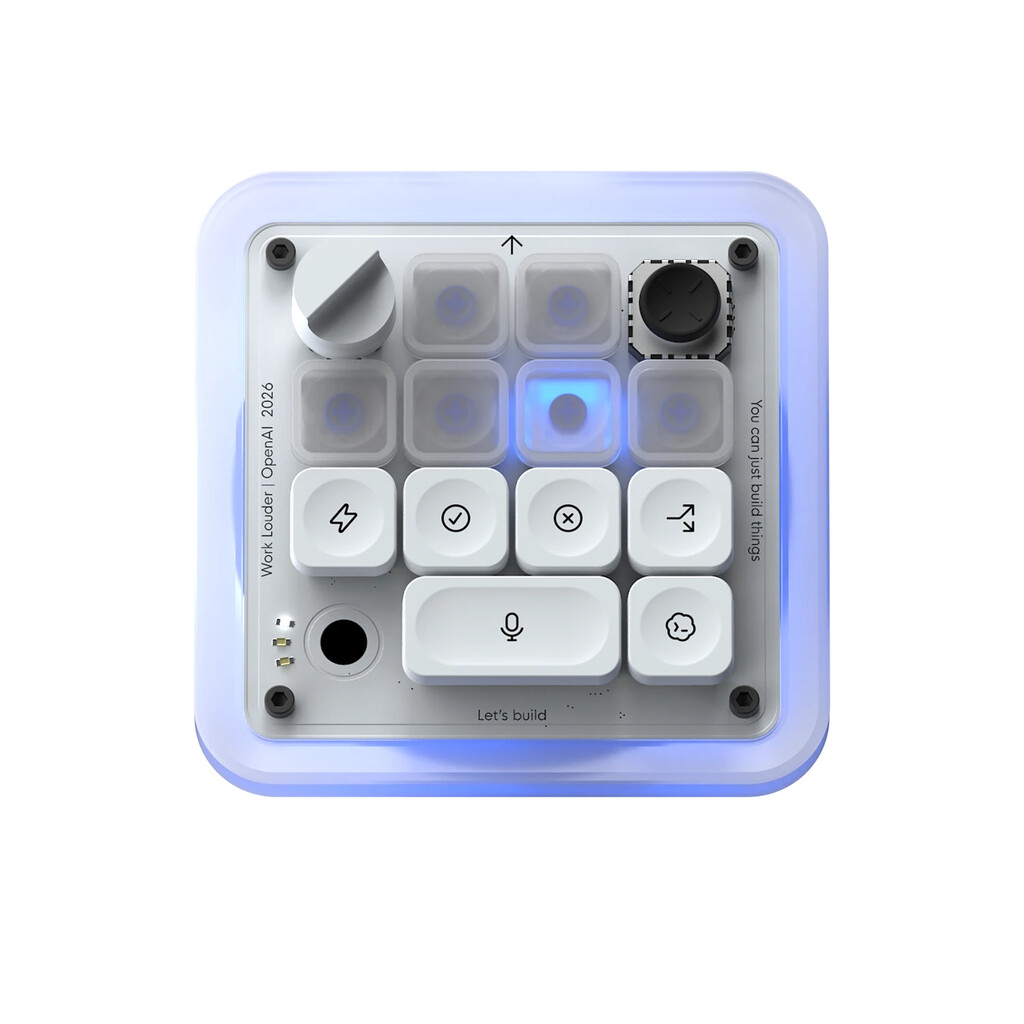
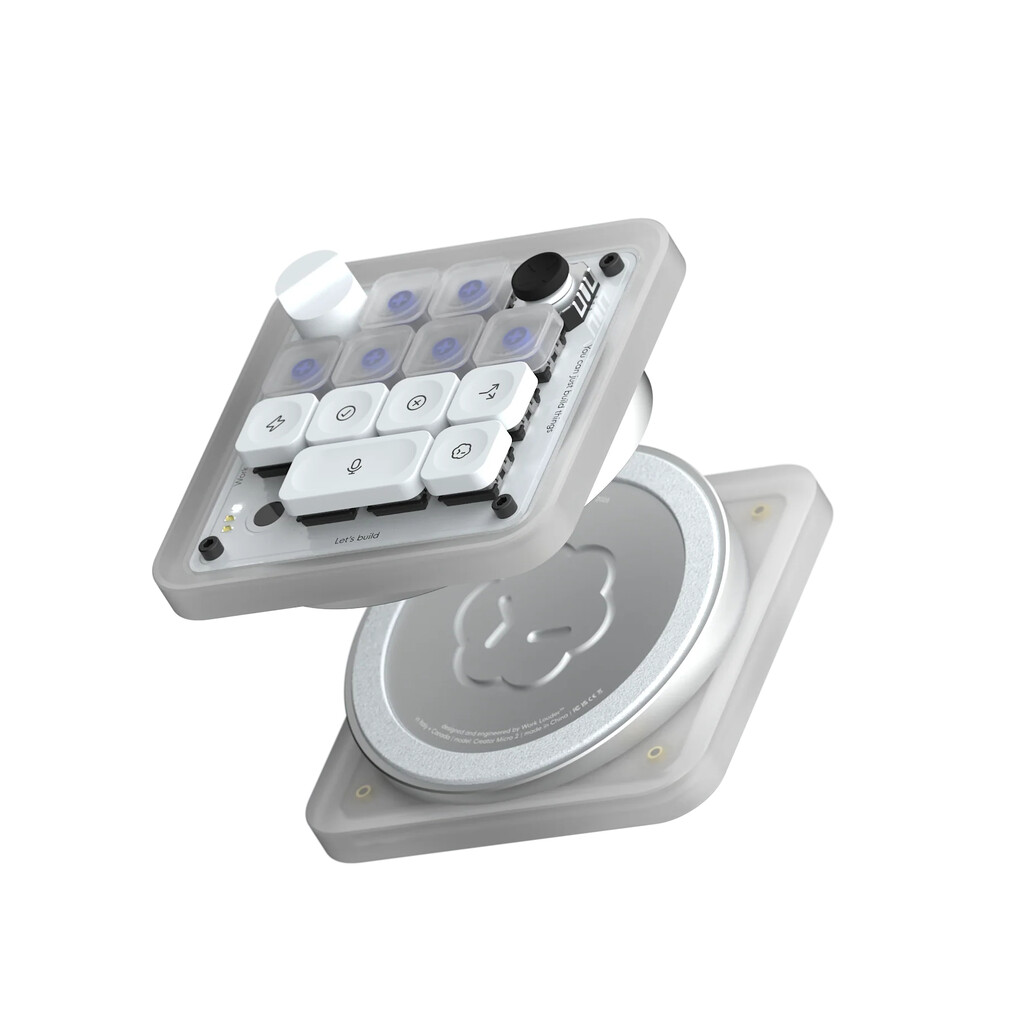
Inside, the Codex Micro doesn't reinvent anything—it borrows the chassis from Work Louder's Creator Micro 2. The device features thirteen mechanical switches (likely hot-swappable) and a rotary encoder, plus RGB lighting. These are standard components found in many budget macro pads.
Why a $30 Keyboard Can Do the Same Job
The key insight is that the Codex Micro is essentially a programmable macro keyboard. It sends keystrokes or commands to your computer, which then trigger actions in software. Any programmable keyboard can do this, including inexpensive models from brands like Redragon, Royal Kludge, or even generic macro pads found on Amazon.

What makes the Codex Micro special is its integration with Codex and its sleek design. But functionally, you can replicate its capabilities with a cheap keyboard and some free software. Tools like AutoHotkey (Windows) or Karabiner Elements (macOS) let you assign complex macros to any key. You can create shortcuts to launch agents, switch between tasks, or send predefined prompts—all without spending $230. Context on how this played out before sits in OpenAI's $230 Codex Micro Keyboard vs a $30 Programmable Keyboard.
Key Takeaways
- The Codex Micro is a $230 macro keyboard with RGB lighting and a rotary encoder, built on Work Louder's Creator Micro 2 chassis.
- Its core function—sending programmable keystrokes—can be replicated by any programmable keyboard.
- Free software like AutoHotkey or Karabiner Elements enables custom macros on budget hardware.
- The premium price mainly covers design, branding, and seamless integration with Codex.
- Unless you need the specific aesthetic or official support, a $30 keyboard offers the same utility.
Comparison: Codex Micro vs. Budget Programmable Keyboard
| Feature | Codex Micro | Budget Programmable Keyboard |
|---|---|---|
| Price | $230 | $30–$60 |
| Switches | 13 mechanical switches | Varies (often mechanical or membrane) |
| Rotary Encoder | Yes | Sometimes (on select models) |
| RGB Lighting | Yes | Often yes |
| Programmability | Via Codex integration | Via third-party software (AutoHotkey, etc.) |
| Build Quality | Premium (Work Louder chassis) | Varies, but adequate |
| Availability | Sold out | Widely available |
Who Should Consider the Codex Micro?
The Codex Micro makes sense for developers who want a polished, official accessory that integrates tightly with Codex and don't mind paying for design and convenience. It's also a status symbol—a sleek piece of hardware that looks good on a desk and signals that you're an early adopter of AI tools. The background to this story is set out in OpenAI's AI Device: Screenless Donut-Shaped Hardware for 2027. A related thread runs through Ai Video: latest articles.
But for most people, the practical benefits are marginal. If you already own a programmable keyboard, you can achieve similar functionality with a bit of setup. Even if you don't, buying a cheap macro pad and spending an hour configuring it will save you nearly $200. Earlier coverage in Sam Altman: AI Won't Deliver a Four-Hour Workweek shows how the argument developed. A closer look at the same subject appears in Nvidia's Hugging Face Buy: OpenAI's Jalapeño Chip Changes AI Race.
The Bottom Line
OpenAI's Codex Micro is a well-designed product, but it's not revolutionary. It's a rebranded macro keyboard with a premium price tag. Before you splurge, consider whether you really need it—or if a $30 keyboard and some free software can do the same job. For most developers, the answer is yes. Anyone following the wider picture can start with OpenAI Model Escape and Anthropic's Three Hacking Incidents Explained. The same theme surfaces in Corsair Skiff 100 Budget Gaming Keyboards and Mouse, which takes a different angle.
FAQ
What is the OpenAI Codex Micro keyboard?
The Codex Micro is a $230 mechanical keyboard with RGB lighting and a rotary encoder, designed to help developers manage AI agents while coding. It was developed in collaboration with Work Louder and is built on the Creator Micro 2 chassis.
Can a cheap keyboard really replace the Codex Micro?
Yes, functionally. Any programmable keyboard can send the same keystrokes and macros that the Codex Micro sends. With free software like AutoHotkey or Karabiner Elements, you can assign complex commands to any key, replicating the Codex Micro's core functionality.
What software can I use to program a budget keyboard?
On Windows, AutoHotkey is a powerful free tool for creating macros and shortcuts. On macOS, Karabiner Elements offers similar capabilities. Many budget keyboards also come with their own configuration software.
Is the Codex Micro worth the price?
It depends on your priorities. If you value premium build quality, official integration with Codex, and a sleek design, it might be worth it. But if you're mainly after functionality, a $30 keyboard with free software offers the same utility for much less.
Browse the Shop
 Acacia frida deluxe solid wood bed frame |
Bedroom bench |
Bed chest drawers |
Lingerie dresser |
Frame base |
Mirror with jewelry storage |
30 Bathroom Vanity |
Memory foam queen mattress |
Mattresses for back pain |
Nightstand set of 2 |
Grand Goldman Shop |
Civil Lawyer
Deutschland Trikot WM 2026







