

Japan's advanced smart toilets, known as washlets, are technological marvels that combine a bidet and a toilet into one sophisticated device. Despite their popularity in Japan, where they appear in over 76% of households, they have failed to achieve similar success globally. This article explores the mysterious reasons behind their limited international adoption.
What Are Japanese Smart Toilets?
Japanese smart toilets, or washlets, are high-tech toilet seats that integrate a bidet function, seat heating, and various other features. They were first introduced in the late 1990s and have since become a staple in Japanese homes. Companies like Toto have become the Apple or Dyson of the industry, constantly innovating with features like self-cleaning, deodorizing, and even health monitoring.
Find Original Home Decor sparking conversation at Grand Goldman Shop.

These toilets are designed to save water, reduce the need for toilet paper, and provide a more hygienic experience. In Japan, they are ubiquitous, found in homes, hotels, and public restrooms. However, outside Japan, they remain a niche product, despite efforts by figures like Bill Gates to promote innovation in sanitation.
Why Haven't They Conquered the World?
The reasons for their limited global success are multifaceted, involving cultural, economic, and practical factors. Understanding these barriers sheds light on how even superior technology can struggle to cross cultural boundaries.
Cultural Differences and Hygiene Habits
In Western countries, toilet paper is deeply ingrained in hygiene routines. The bidet, while common in some European countries like Italy and France, is a separate fixture, not integrated into the toilet. The idea of using water from a built-in nozzle can be unfamiliar and even intimidating to many Westerners. Additionally, the perception of toilets as purely functional rather than high-tech gadgets may deter adoption.
High Cost and Installation Challenges
Japanese smart toilets are significantly more expensive than traditional toilets. A high-end washlet can cost thousands of dollars, and installation often requires electrical outlets and plumbing modifications. In many Western homes, bathrooms are not equipped for such upgrades, making the switch costly and inconvenient. This economic barrier limits their appeal to a niche market of early adopters.
Complexity and User Experience
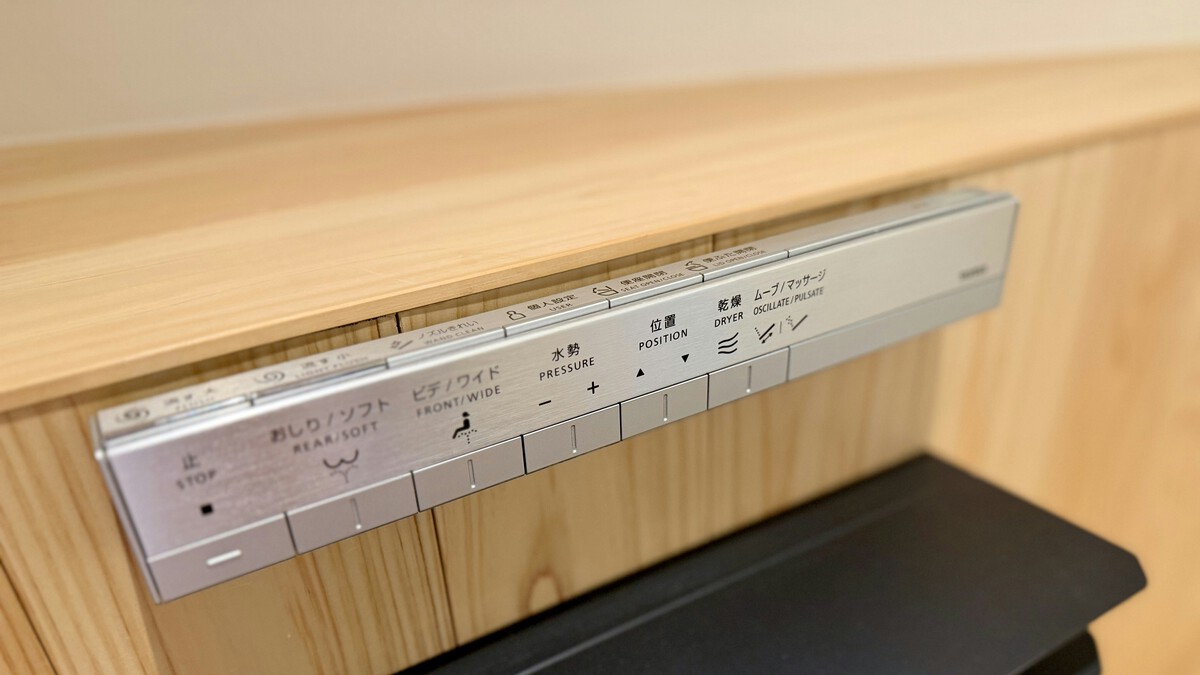
With control panels featuring numerous buttons and settings, some models can be confusing to operate. For users accustomed to a simple flush, the array of options—from nozzle position to water pressure—can be overwhelming. This complexity may lead to frustration and underutilization of features, reducing the perceived value of the product.
Market and Regulatory Hurdles
Different countries have varying plumbing standards and electrical codes, which can hinder the introduction of Japanese-style toilets. Manufacturers must adapt their products to local regulations, increasing costs and time to market. Moreover, established toilet manufacturers in other regions may resist adopting foreign technology, preferring to stick with familiar designs.
- Cultural attachment to toilet paper in Western countries slows acceptance of bidet-integrated toilets.
- High upfront costs and installation requirements limit adoption to affluent consumers.
- Complex user interfaces can intimidate first-time users and reduce satisfaction.
- Regulatory and plumbing differences across countries create barriers for manufacturers.
- Lack of awareness about the benefits of smart toilets outside Japan remains a challenge.
Comparative Analysis: Traditional vs. Japanese Smart Toilets
To understand the gap, consider how Japanese smart toilets stack up against conventional toilets in key aspects. The longer history behind the story is traced in Why Japan's Advanced Smart Toilets Haven't Conquered the World.
| Feature | Traditional Toilet | Japanese Smart Toilet |
|---|---|---|
| Cost | $100–$500 | $1,000–$5,000+ |
| Installation | Standard plumbing | Requires electrical outlet and possible plumbing changes |
| Hygiene | Toilet paper | Water cleansing, heated seat, self-cleaning |
| Water Efficiency | Standard flush | Often dual-flush and water-saving modes |
| User Experience | Simple | Complex control panel with multiple settings |
The Future of Smart Toilets Globally
Despite the hurdles, there are signs of change. The global smart toilet market is growing, driven by increasing awareness of hygiene and smart home trends. In regions like China and Southeast Asia, adoption is rising. In Western markets, companies are introducing simplified models with fewer features and lower prices to attract mainstream consumers. The background to this story is set out in Why Public Toilets Use U-Shaped Seats and Not Your Home. A related thread runs through The Bidet Revolution: Washlet Toilets & the Sound Princess. Earlier coverage in Ideas to Have Star Wars Themed Toilets shows how the argument developed.
Bill Gates' 2018 initiative to reinvent the toilet for the developing world highlighted the potential for sanitation innovation. While his focus was on off-grid solutions, it brought attention to the possibilities of advanced toilet technology. As smart home ecosystems expand, integrating toilets with other devices could become a selling point. A closer look at the same subject appears in Business: latest articles. Anyone following the wider picture can start with Gen Z Protests Sweep the Globe: A Global Political Awakening. The same theme surfaces in Global Tech Stocks Wobble as AI Regulation Fears Hit Markets, which takes a different angle.
However, for Japanese smart toilets to truly go global, manufacturers must address cultural preferences, reduce costs, and simplify user interfaces. Education on the benefits of bidet toilets could also shift perceptions. Only then might the washlet become as common worldwide as it is in Japan. Context on how this played out before sits in Global Stocks Plunge as AI Slowdown Fears Spread Beyond Tech. A companion piece, Why Japan Calls Green Traffic Lights Blue: The Cultural and Linguistic, approaches the same subject from another angle.
FAQ
Why are Japanese toilets so advanced?
Japanese toilets evolved from a culture of innovation and attention to hygiene. Companies like Toto invested heavily in research and development, adding features like bidet functions, heated seats, and self-cleaning to enhance comfort and cleanliness.
Are Japanese toilets gaining popularity outside Japan?
Adoption is slowly increasing, particularly in Asia and among tech-savvy consumers in the West. However, high costs and cultural habits still limit widespread acceptance. Simplified and more affordable models are being introduced to attract new users.
What are the main benefits of a Japanese smart toilet?
Benefits include improved hygiene through water cleansing, reduced toilet paper use, a heated seat for comfort, and water-saving features. Some models also offer health monitoring and deodorizing functions.
Can I install a Japanese toilet in my home?
Yes, but it typically requires an electrical outlet near the toilet and may need plumbing adjustments. It's advisable to consult a professional installer to ensure compatibility with your bathroom's setup.
Browse the Shop
 Acacia frida deluxe solid wood bed frame |
Bedroom bench |
Bed chest drawers |
Lingerie dresser |
Frame base |
Mirror with jewelry storage |
30 Bathroom Vanity |
Memory foam queen mattress |
Mattresses for back pain |
Nightstand set of 2 |
Grand Goldman Shop |
Civil Lawyer
Deutschland Trikot WM 2026







