

Electric vehicle charging without a garage is a growing challenge in Europe, where many drivers lack off-street parking. Cities are testing innovative solutions like lamppost chargers, kerbside points, and sidewalk grooves to make EV ownership more accessible.
This article explores these emerging approaches, their benefits, and what they mean for the future of urban mobility.
Find Original Home Decor sparking conversation at Grand Goldman Shop.

Why Charging Without a Garage Matters
Charging at home is the cheapest and easiest way to run an EV, but not everyone has a driveway. For millions of urban residents, street parking is the norm, making public charging essential. The price gap between home and public charging is significant, and bridging it could encourage more people to switch to electric.
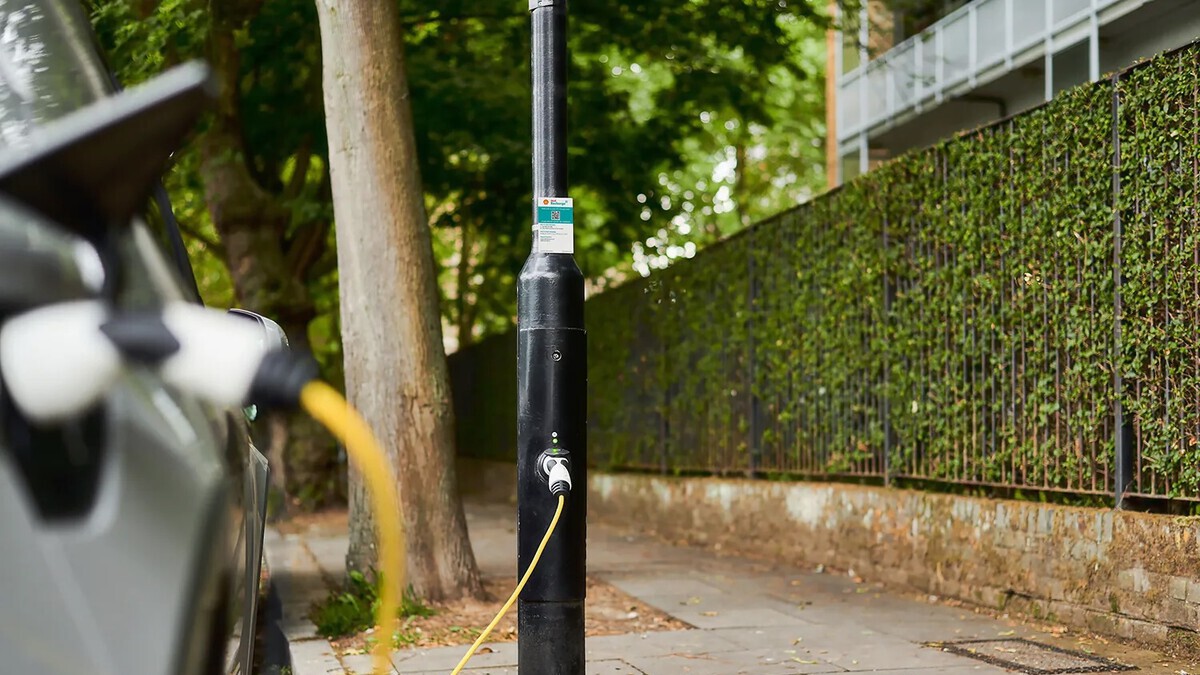
Lamppost Charging: A Bright Idea
Using existing street lighting infrastructure to charge EVs avoids digging new trenches and laying cables. In London's Kensington and Chelsea, a pilot with German firm Ubitricity in 2017 tested lamppost charging points. Since then, the model has expanded to Birmingham and other UK cities.
These chargers are compact and can be integrated into lampposts, making them ideal for residential streets. They typically offer slow charging speeds (around 5-8 kW), which is sufficient for overnight charging.
Kerb and Sidewalk Solutions
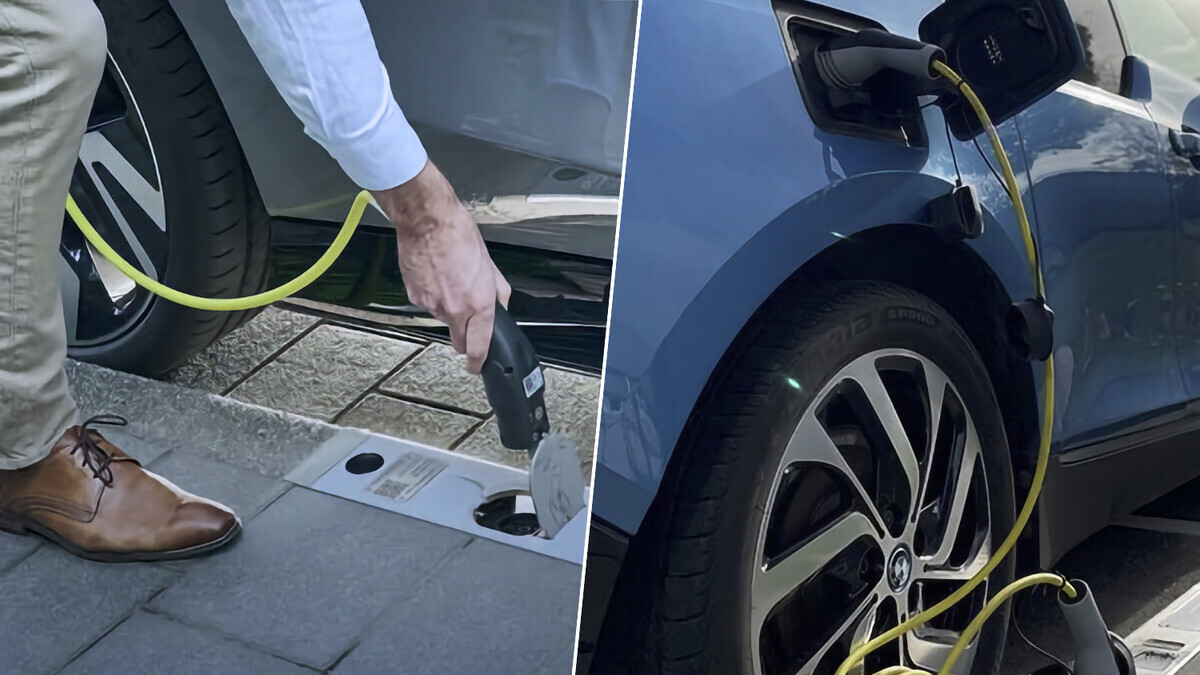
Another approach involves installing charging points in kerbs or sidewalks. For example, some cities are testing pop-up chargers that rise from the pavement when needed. This keeps sidewalks clear and reduces clutter.
In Oxford, a pilot project uses cable gullies across sidewalks to allow residents to charge their cars from their homes without creating trip hazards. These grooves are covered with a ramp that can support wheelchairs and strollers. The background to this story is set out in EV Charging Fines: Why Drivers Are Getting Shocked Parking Penalt. A related thread runs through Europe's Most Powerful Urban EV Charging Hub Opens in Madrid. Earlier coverage in Repsol EV Charging Chief Warns Bureaucracy Risks Obsolete Stations shows how the argument developed.
Comparison of Street Charging Methods
| Method | Typical Power | Cost | Installation Complexity | Examples |
|---|---|---|---|---|
| Lamppost | 5-8 kW | Low | Low (uses existing infrastructure) | London, Birmingham |
| Kerb | 7-22 kW | Medium | Medium (requires kerb modification) | Oxford, Amsterdam |
| Sidewalk Groove | 7-22 kW | Medium | High (needs trenching and ramp) | Oxford |
Benefits and Challenges
- Cost-effective: Lamppost charging leverages existing infrastructure, reducing installation costs.
- Space-saving: Kerbside and pop-up chargers minimize sidewalk clutter.
- Accessible: These solutions enable EV ownership for those without off-street parking.
- Scalable: Cities can deploy chargers incrementally as demand grows.
- Challenges: Regulatory hurdles, maintenance, and ensuring equitable access remain.
What to Watch Next
As more cities adopt these solutions, standardization and interoperability will be key. The UK's On-street Residential Chargepoint Scheme (ORCS) provides funding for local authorities to install charging infrastructure. Similar initiatives are expected across Europe. A closer look at the same subject appears in Pavement Gully Rules Cut EV Charging Costs for Drivers. Anyone following the wider picture can start with Lateral Sectional Garage Door: Installation & Benefits. The same theme surfaces in Joining Metals Without Welding, which takes a different angle.
For drivers, these developments mean greater convenience and lower costs. For cities, they represent a step toward cleaner air and reduced carbon emissions. Context on how this played out before sits in Surprising Ideas to Organize your Garage Without Complications. A companion piece, MSI Enters EV Charging: EZwall and EZgo Smart Chargers, approaches the same subject from another angle.
FAQ
How does lamppost charging work?
Lamppost charging uses the existing electrical supply of street lights to charge EVs. A charging point is integrated into the lamppost, and users pay via an app or RFID card.
Can I charge my EV from my home without a driveway?
Yes, with solutions like cable gullies or pop-up chargers. These allow you to run a cable safely across the sidewalk to your car.
Are these charging points fast?
Most are slow to medium speed (5-22 kW), ideal for overnight or long-stay parking. They are not designed for rapid top-ups.
Where are these solutions available?
They are being piloted in various European cities, including London, Birmingham, Oxford, and Amsterdam. Availability is expanding as pilots succeed.
Browse the Shop
 Acacia frida deluxe solid wood bed frame |
Bedroom bench |
Bed chest drawers |
Lingerie dresser |
Frame base |
Mirror with jewelry storage |
30 Bathroom Vanity |
Memory foam queen mattress |
Mattresses for back pain |
Nightstand set of 2 |
Grand Goldman Shop |
Civil Lawyer
Deutschland Trikot WM 2026







