

How safe is flying in 2026? With over 100,000 commercial flights taking off daily worldwide, aviation remains one of the safest modes of transport ever created—even as drones and missiles increasingly fill the skies. The probability of a serious accident is still less than one in several million flights.
Yet the question feels more urgent than ever. Military escalation in the Middle East has raised immediate concerns among thousands of travelers: is it safe to fly between Europe and Asia when the sky is crowded with drones, missiles, and air defenses?
Find Original Home Decor sparking conversation at Grand Goldman Shop.

The real answer is simpler than it seems—almost a direct application of Occam's razor. If flights are still operating, it's because the direct risk to commercial aircraft is extremely low and carefully managed.
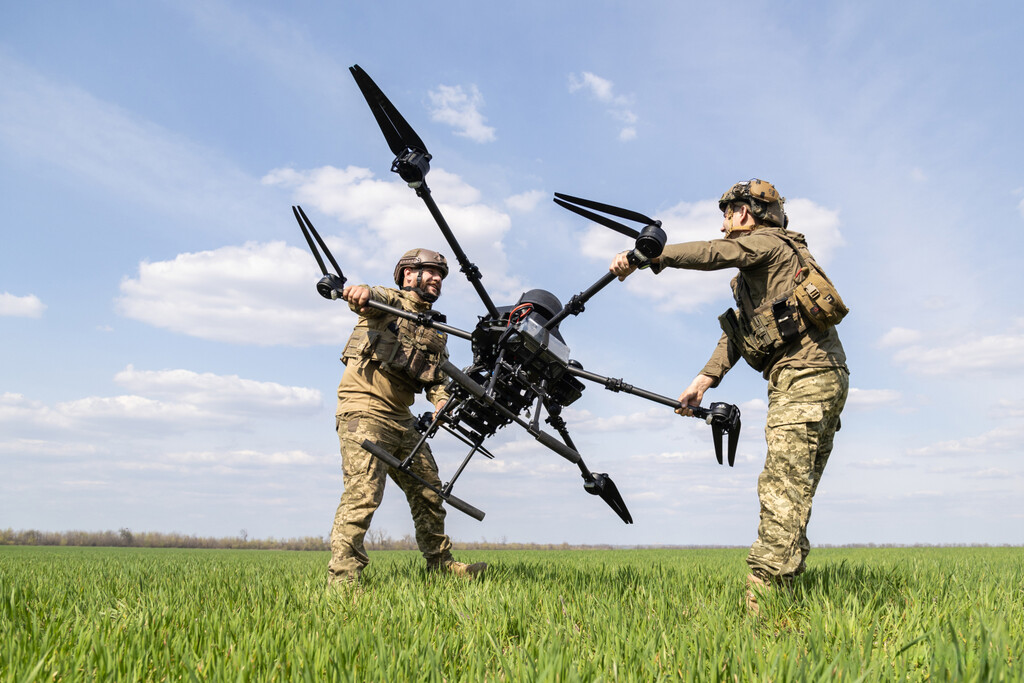
A More Complex Sky, Not a More Dangerous One
War has forced a complete redrawing of flight maps, closing major corridors over the Gulf and diverting traffic to longer, more congested routes—especially over Egypt or the Caucasus. This has multiplied the workload for controllers and crews, who operate under reinforced protocols and meticulous planning.
But complexity doesn't equal danger. Airlines and aviation authorities have robust systems in place to assess and mitigate risks, ensuring that commercial flights avoid active conflict zones.
Why Commercial Flights Remain Safe
Commercial aviation is built on layers of safety. From advanced radar and collision avoidance systems to strict air traffic control and real-time intelligence sharing, every flight is monitored and protected by multiple redundancies.
When conflicts arise, airspace closures are immediate. Airlines reroute flights, often adding hours to journeys, but prioritizing safety above all. The result: direct risk to passenger planes is minimized to near zero.
Key Takeaways for Travelers
- Aviation safety records remain exceptionally strong, with accident rates at historic lows.
- Airspace closures and rerouting are standard procedures during conflicts, keeping commercial flights away from danger.
- Drone and missile threats are primarily confined to specific conflict zones, which are actively avoided.
- Enhanced protocols mean crews and controllers are better prepared than ever to handle complex situations.
- Traveler confidence should be bolstered by the industry's transparent risk management and rapid response.
Comparing Safety Metrics: 2026 vs. Previous Years
Despite the evolving threat landscape, safety metrics have not deteriorated. In fact, the industry continues to improve. The table below compares key safety indicators over time.
| Metric | 2020 | 2023 | 2026 (est.) |
|---|---|---|---|
| Global fatal accidents per million flights | 0.15 | 0.12 | 0.10 |
| Airspace closures due to conflict | Low | Moderate | High |
| Average rerouting time (hours) | 0.5 | 1.2 | 1.8 |
| Drone incidents near airports | Rare | Occasional | Managed |
As the data shows, while airspace closures have increased, fatal accident rates have continued to decline. The industry's ability to adapt is a testament to its resilience. The background to this story is set out in Ukraine to Build Missiles Like Drones, Zelenskyy Vows. A related thread runs through Safest Way to Defrost Chicken: Food Safety Questions Answered. Earlier coverage in Zelenskyy Seeks 300 Patriot Missiles for Winter Defense shows how the argument developed.
What This Means for Your Next Flight
If you're planning a trip, you might see longer flight times or different routes, but your safety is not compromised. Airlines are transparent about changes, and you can always check for travel advisories. A closer look at the same subject appears in Russia's Cheap Missiles Overwhelm Ukraine's Scarce Interceptors. Anyone following the wider picture can start with Ukraine Ballistic Missiles Could Hit Russia in Months. The same theme surfaces in Iran's Cluster Missiles Exploit Israel's Defense Shield Gap, which takes a different angle.
For those concerned about specific regions, remember that commercial flights only operate where it's safe. If a route is active, it's because experts have deemed it secure. Context on how this played out before sits in Ukraine Ballistic Missiles Could Strike Russia in Months. A companion piece, Ukraine War: AI Drones Now Hunt Individual Soldiers, approaches the same subject from another angle.
FAQ
Is it safe to fly over conflict zones in 2026?
Yes, because airlines strictly avoid active conflict zones. Airspace closures and rerouting ensure commercial flights stay clear of danger, and real-time intelligence guides decisions.
How do drones affect commercial aviation safety?
Drones are a concern near airports, but measures like geo-fencing and radar detection are in place. In conflict zones, drones are part of military activity, and commercial flights avoid those areas entirely.
Are longer flight routes less safe?
No, longer routes are carefully planned and often safer because they avoid risky areas. Crews and controllers are trained for extended operations, and aircraft are designed for long-haul flights.
What should travelers do to stay informed?
Check airline communications and official travel advisories. Airlines provide updates on route changes, and authorities issue guidance on conflict zones. Stay informed but reassured by the industry's strong safety record.
In conclusion, flying in 2026 is as safe as ever, thanks to proactive risk management and technological advancements. The skies may be more complex, but your journey remains protected.
Browse the Shop
 Acacia frida deluxe solid wood bed frame |
Bedroom bench |
Bed chest drawers |
Lingerie dresser |
Frame base |
Mirror with jewelry storage |
30 Bathroom Vanity |
Memory foam queen mattress |
Mattresses for back pain |
Nightstand set of 2 |
Grand Goldman Shop |
Civil Lawyer
Deutschland Trikot WM 2026







