

The Jumbocruiser was a bold 1970s attempt by German manufacturer Neoplan to bring cruise-ship luxury to the road. This articulated double-decker bus stretched nearly 19 meters and stood four meters tall, promising a new era of tourism. But its sheer size made it impractical, and only a few were ever built. Here's the story of why this giant failed and what it teaches us about innovation.
What Was the Jumbocruiser?
In the 1960s, Neoplan set out to redesign road travel. The Jumbocruiser was their flagship: an articulated bus with two decks, measuring 19 meters long, 2.5 meters wide, and 4 meters high. It was designed to offer amenities like sofas, beds, and dining areas—essentially a cruise ship on wheels.
Find Original Home Decor sparking conversation at Grand Goldman Shop.

When it debuted at trade fairs, it drew crowds. No one had seen a bus this large, and it seemed to promise a new kind of tourism where the journey itself was the destination.
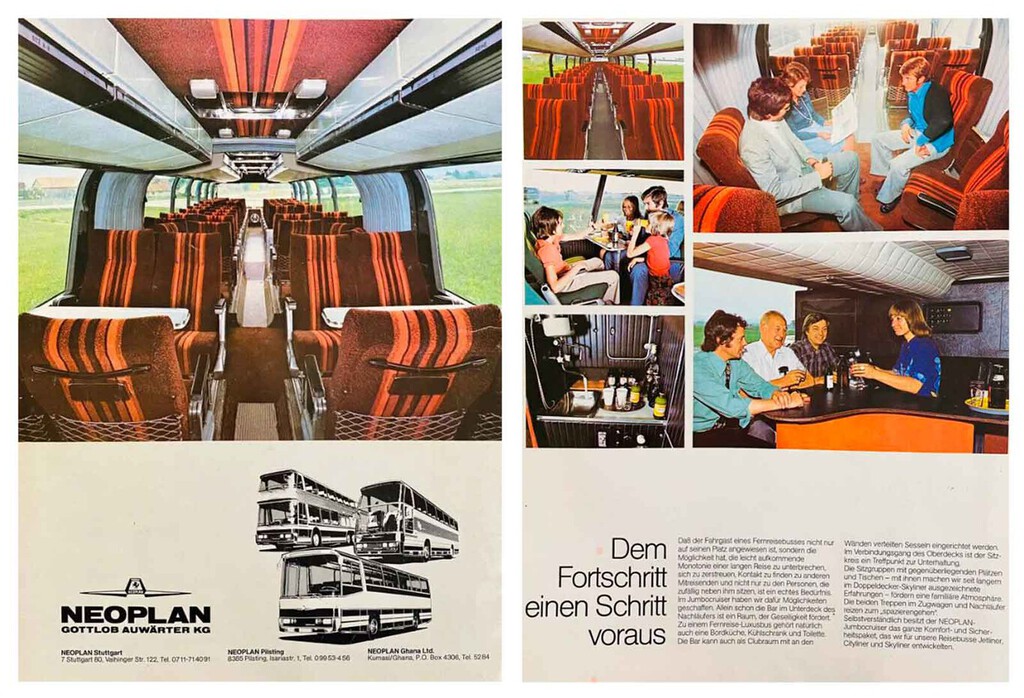
Why the Jumbocruiser Failed
Despite its luxury, the Jumbocruiser was a commercial flop. Its size made it difficult to navigate narrow roads and city streets. It required special permits and infrastructure, and its high operating costs deterred bus companies. Only a handful were produced, and the model was soon discontinued.
Ironically, the Jumbocruiser was a victim of its own ambition. It was too big for practical use, and the market wasn't ready for such a radical concept. By the late 1980s, other manufacturers had surpassed it with more practical designs. The background to this story is set out in Social Care Reform: Why Burnham's Bold Plan Must Succeed. A related thread runs through Car: latest articles. Earlier coverage in Cursed Cruise: Never-Ending Luxury Voyage Turns Nightmare shows how the argument developed.
Key Takeaways from the Jumbocruiser
- Size isn't always an advantage: The Jumbocruiser's massive dimensions made it impractical for most roads.
- Luxury comes at a cost: High operating expenses limited its appeal to bus operators.
- Innovation needs infrastructure: Without supporting infrastructure, even the best ideas can fail.
- Market timing matters: The 1970s market wasn't ready for such a radical vehicle.
- Legacy of bold design: The Jumbocruiser remains a symbol of ambitious engineering.
Jumbocruiser Specifications
| Feature | Specification |
|---|---|
| Length | 19 meters |
| Width | 2.5 meters |
| Height | 4 meters |
| Decks | 2 |
| Articulation | Yes |
| Manufacturer | Neoplan |
| Production Years | 1970s |
| Units Built | Few (exact number unknown) |
What the Jumbocruiser Means for Bus Travel Today
Today, double-decker buses are common, but they are designed for specific routes and often used for sightseeing. The Jumbocruiser's failure highlights the importance of balancing ambition with practicality. Modern bus designs focus on efficiency, safety, and comfort without extreme dimensions. A closer look at the same subject appears in August Vacation Gas Prices Soar: What Drivers Need to Know. Anyone following the wider picture can start with SOD Peak 6x6: The Ultimate Mercedes Camper Truck. The same theme surfaces in Luxury Cruise Stranded in Cambodia Due to Soaring Fuel Costs, which takes a different angle.
However, the spirit of the Jumbocruiser lives on in luxury coaches and sleeper buses that offer premium amenities. Manufacturers continue to experiment with new concepts, but they prioritize viability over spectacle. Context on how this played out before sits in Airport Lounge Wars: How Decadence and Overcrowding Collide. A companion piece, Jumbocruiser: The 1970s Double-Decker Bus That Was Too Big to Succeed, approaches the same subject from another angle.
FAQ
What was the Jumbocruiser?
The Jumbocruiser was a double-decker articulated bus built by Neoplan in the 1970s. It was designed to offer luxury travel with amenities like beds and sofas, but its massive size made it impractical.
Why did the Jumbocruiser fail?
Its size made it difficult to navigate roads and required special permits. High operating costs and limited market demand led to its discontinuation after only a few units were produced.
How many Jumbocruisers were built?
The exact number is unknown, but only a few were ever produced. The model was not a commercial success and was quickly discontinued.
What can we learn from the Jumbocruiser?
It shows that innovation must consider practical constraints. Even the most luxurious design can fail if it doesn't fit the infrastructure and market needs.







