

Clay cooling technology is revolutionizing the way buildings stay comfortable without relying on air conditioning. A New Delhi-based architecture studio has developed a clay honeycomb structure that can reduce indoor temperatures by up to 15 degrees Celsius, offering a sustainable solution to extreme heat.
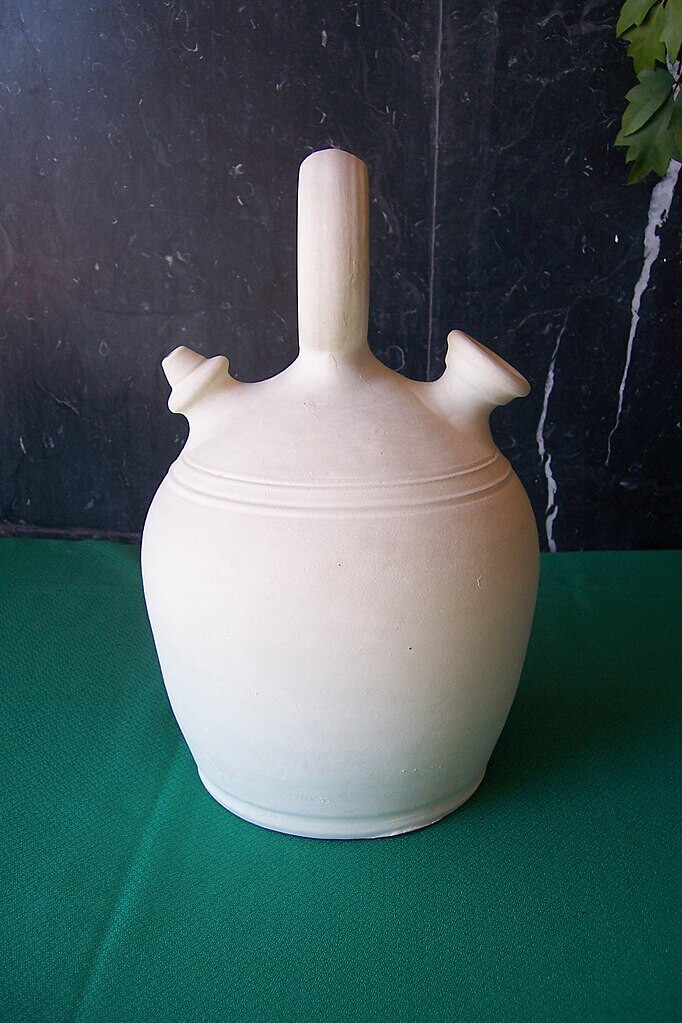
This innovative approach draws on ancient techniques, such as the evaporative cooling principle behind the Spanish botijo, a porous clay jug that keeps water cool through evaporation. By reviving these methods, the technology promises to cut energy use and make buildings greener.
Find Original Home Decor sparking conversation at Grand Goldman Shop.

How Clay Cooling Technology Works
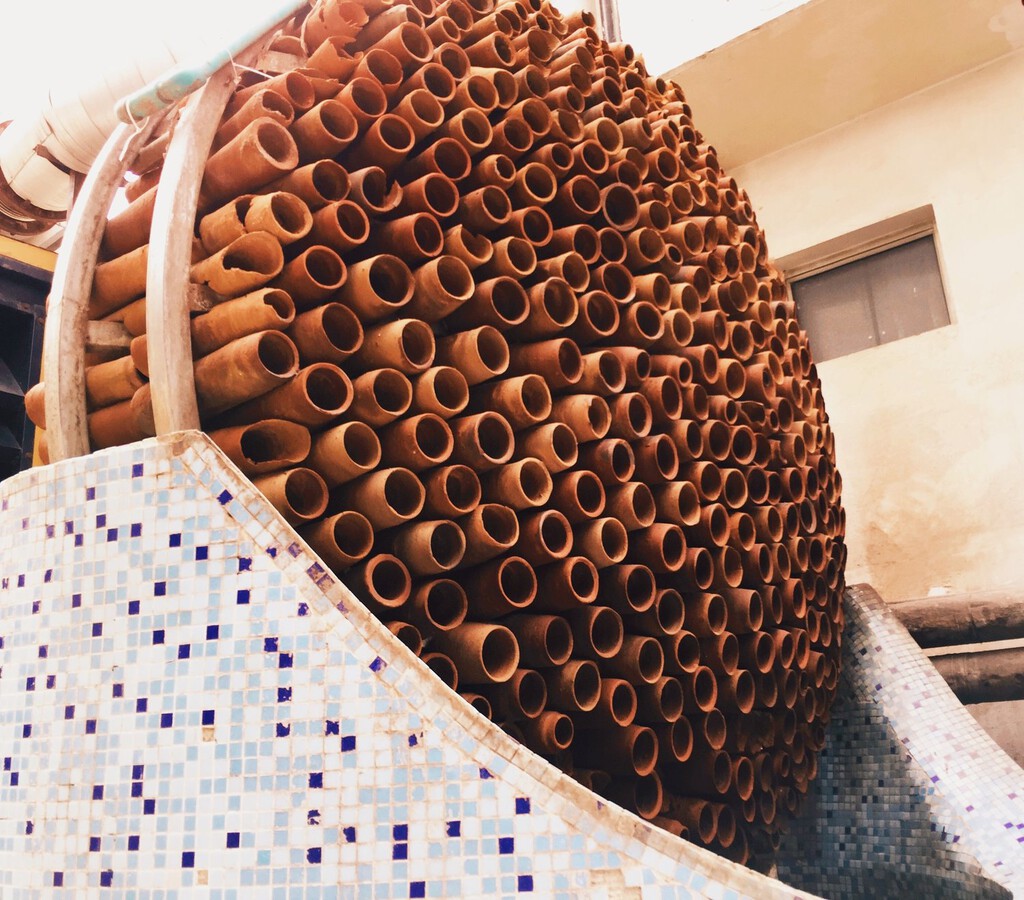
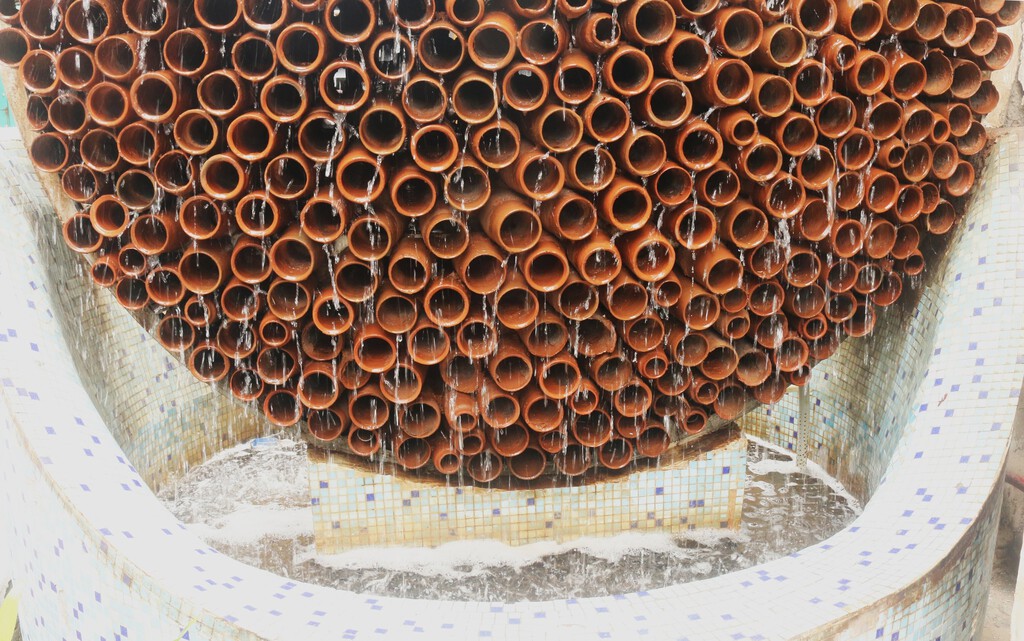
The core of the system is a honeycomb-like structure made from terracotta or clay. As hot air passes through the porous material, moisture within the clay evaporates, absorbing heat and cooling the air. This natural process is the same one that cools water in a botijo.
The architecture studio behind the project has adapted this principle into a modular system that can be integrated into building facades or roofs. The result is a passive cooling effect that requires no electricity, moving parts, or refrigerants.
Ancient Wisdom Meets Modern Design
Clay and terracotta have been used for centuries in hot climates for their insulating and evaporative properties. The ancient Egyptians, for example, used porous clay pots filled with water and fanned them to create cooler air. This modern iteration refines the concept with precise geometry and materials to maximize efficiency.
By combining traditional knowledge with contemporary engineering, the team has created a solution that is both low-tech and highly effective. It addresses the urgent need for sustainable cooling as heatwaves become more frequent and intense.
Why This Matters for Energy Efficiency
Air conditioning is a major consumer of electricity and a significant contributor to greenhouse gas emissions. As global temperatures rise, the demand for cooling is expected to soar, putting strain on power grids and accelerating climate change.
Passive cooling technologies like this clay system offer a way to break that cycle. By reducing reliance on AC, buildings can lower their energy consumption and carbon footprint while maintaining comfortable indoor environments.
- Reduces indoor temperatures by up to 15°C without electricity.
- Uses abundant, low-cost materials like clay and terracotta.
- Requires minimal maintenance due to no moving parts.
- Can be integrated into new or existing buildings.
- Helps mitigate the urban heat island effect.
Potential Applications and Limitations
While the technology is promising, its effectiveness depends on climate conditions. Evaporative cooling works best in hot, dry environments; in humid regions, the cooling effect may be less pronounced. The system also requires a water source for evaporation, which could be a constraint in water-scarce areas. The background to this story is set out in Best Fans 2026: Tried & Tested for Energy-Efficient Cooling. A related thread runs through Barcelona Seawater Plant Cools 190 Buildings and Fights Heat. Earlier coverage in Humanities Degrees Being Extinguished as UK Universities Cut Jobs shows how the argument developed.
Nevertheless, the modular design allows for scalability and customization. It could be particularly beneficial in developing countries where access to reliable electricity is limited, providing affordable cooling for homes, schools, and community buildings. A closer look at the same subject appears in Australia Energy Efficiency Rules Timebomb Sparks Debate. Anyone following the wider picture can start with Australia Energy Efficiency Rules Timebomb: Coalition Plan Criticized. The same theme surfaces in Heatwave Puzzle: Physicist Explains Curtain Energy Efficiency, which takes a different angle.
Comparing Cooling Technologies
| Technology | Energy Use | Cooling Effect | Cost |
|---|---|---|---|
| Clay Honeycomb | None (passive) | Up to 15°C reduction | Low |
| Air Conditioning | High (electricity) | Variable, can be high | High (installation + operation) |
| Evaporative Cooler | Low (fan) | Moderate | Moderate |
As the world grapples with rising temperatures, innovations like this clay cooling system highlight the potential of biomimicry and traditional knowledge. They remind us that sometimes the best solutions are inspired by nature and the past. Context on how this played out before sits in Humanities Degrees Being Extinguished by University Cuts. A companion piece, Building a Smoker by Recycling Two Useless Water Heaters!, approaches the same subject from another angle.
FAQ
How much can clay cooling reduce indoor temperatures?
According to the New Delhi architecture studio, the clay honeycomb structure can lower indoor temperatures by up to 15 degrees Celsius. This depends on factors like humidity and airflow.
Is this technology suitable for all climates?
It is most effective in hot, dry climates where evaporation occurs rapidly. In humid areas, the cooling effect is reduced, and alternative solutions may be needed.
Does it require electricity to operate?
No, the system is entirely passive. It relies on natural airflow and evaporation, making it ideal for off-grid or low-energy buildings.
What materials are used in the clay cooling system?
The primary material is clay or terracotta, shaped into a honeycomb structure. These materials are porous, allowing water to evaporate and cool the air.
Browse the Shop
 Acacia frida deluxe solid wood bed frame |
Bedroom bench |
Bed chest drawers |
Lingerie dresser |
Frame base |
Mirror with jewelry storage |
30 Bathroom Vanity |
Memory foam queen mattress |
Mattresses for back pain |
Nightstand set of 2 |
Grand Goldman Shop |
Civil Lawyer
Deutschland Trikot WM 2026







