

The iconic strawberry tree of Madrid, known as the madroño, has become an unexpected danger to the Canary Islands. This tree, which even appears on Madrid's coat of arms, is crossbreeding with the native Canary Island strawberry tree, potentially threatening the unique ecosystem of the archipelago.
The Mediterranean strawberry tree (Arbutus unedo) is not native to the Canary Islands, which are Atlantic rather than Mediterranean. The islands have their own endemic species, the Canary Island strawberry tree (Arbutus canariensis), which has adapted over millennia to the laurel forests, or laurisilva, of the archipelago.
Find Original Home Decor sparking conversation at Grand Goldman Shop.

How Did the Mediterranean Strawberry Tree Arrive in the Canary Islands?
In the 20th century, the Mediterranean strawberry tree was introduced to the Canary Islands as an ornamental plant. Its attractive appearance and red berries made it a popular choice for gardens and public spaces. However, this introduction has had unintended consequences.
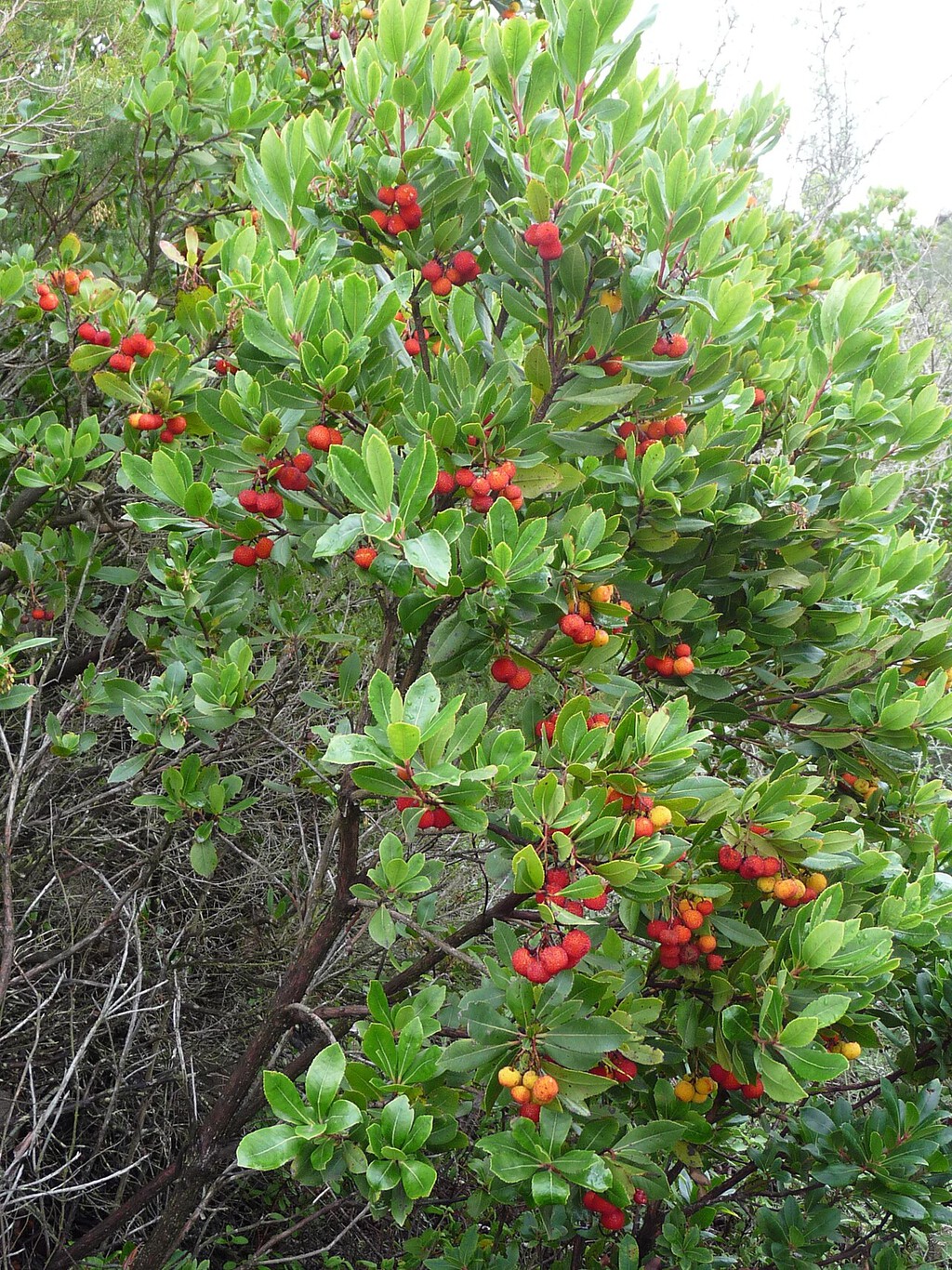
The species has naturalized in several islands of the archipelago, meaning it has established self-sustaining populations in the wild. This is problematic because the Mediterranean strawberry tree can hybridize with the native Canary Island strawberry tree, producing fertile offspring that may outcompete the endemic species.
The Risk of Genetic Swamping
When two closely related species interbreed, the result can be a loss of genetic distinctiveness. In the case of the Canary Island strawberry tree, hybridization with the more widespread Mediterranean species could lead to genetic swamping, where the endemic species' gene pool is overwhelmed by the introduced species' genes.
This process can eventually lead to the extinction of the native species as a genetically distinct entity. The Canary Island strawberry tree is already considered vulnerable, and hybridization adds another layer of threat to its survival.
Why Is the Canary Island Strawberry Tree Important?
The Canary Island strawberry tree is a key component of the laurel forests, which are ancient ecosystems that once covered much of the Mediterranean region but now persist only in isolated pockets like the Canary Islands. These forests are home to numerous endemic species and are considered biodiversity hotspots.
The strawberry tree provides food and habitat for various animals, including birds and insects. Its loss would have cascading effects on the entire ecosystem. Moreover, the laurel forests are vital for water retention and soil stability, helping to prevent erosion and maintain the islands' water supply.
- Endemic species: The Canary Island strawberry tree is found only in the Canary Islands and is adapted to the local climate and soil.
- Ecosystem services: It supports wildlife, prevents erosion, and contributes to the water cycle.
- Cultural value: The tree is part of the islands' natural heritage and identity.
- Genetic uniqueness: Its distinct genetic makeup is irreplaceable.
- Threat from hybridization: Crossbreeding with the Mediterranean species could dilute its genetic identity.
What Are the Consequences of Hybridization?
Hybridization between the Mediterranean and Canary Island strawberry trees can produce hybrids that are fertile and can backcross with either parent species. Over time, this can lead to the formation of hybrid swarms, where the majority of individuals are of mixed ancestry.
This not only threatens the genetic integrity of the native species but can also alter the ecological roles that the trees play in the ecosystem. For example, hybrids may have different flowering times or fruit characteristics, which could affect the animals that rely on them for food.
Comparison of the Two Species
| Characteristic | Mediterranean Strawberry Tree (Arbutus unedo) | Canary Island Strawberry Tree (Arbutus canariensis) |
|---|---|---|
| Origin | Mediterranean region | Canary Islands |
| Habitat | Various, including maquis and forests | Laurel forests (laurisilva) |
| Conservation status | Least Concern | Vulnerable |
| Hybridization risk | Acts as pollen donor | At risk of genetic swamping |
| Ecological role | Ornamental, some wildlife value | Key species in laurel forest ecosystem |
What Is Being Done to Address the Threat?
Conservationists and biologists are aware of the hybridization issue and are monitoring populations of both species. Efforts include removing invasive Mediterranean strawberry trees from sensitive areas and raising public awareness about the importance of using native species in landscaping.
However, the scale of the problem is significant, and eradication is challenging once a species has naturalized. Prevention is key, and stricter regulations on the introduction of non-native plants could help avoid similar issues in the future.
The case of the strawberry tree is a reminder that even seemingly harmless ornamental plants can become invasive and threaten native biodiversity. It underscores the importance of choosing native species for gardens and public spaces, especially in fragile island ecosystems. The background to this story is set out in Japan's Stray Cat Invasive Species Plan Sparks Backlash. A related thread runs through Canary Islands Pay the Hidden Cost of Fishmeal Aquaculture. Earlier coverage in Ocean Thermal Energy: Canary Islands Project Tests 24/7 Power shows how the argument developed.
What Can You Do to Help?
If you live in or visit the Canary Islands, you can help by not planting Mediterranean strawberry trees and by supporting local conservation initiatives. Educating others about the risks of invasive species is also crucial. A closer look at the same subject appears in Canary Islands Trucker Caught Driving Without License Points for Years. Anyone following the wider picture can start with Storms in the Canary Islands – what holidaymakers need to know. The same theme surfaces in Invasive Species in Spain: Why the Guadalquivir Is a Hotspot, which takes a different angle.
For those interested in gardening, choosing native plants not only helps protect local ecosystems but also creates a more authentic and resilient landscape. The Canary Island strawberry tree is a beautiful and ecologically valuable alternative that deserves to be celebrated and protected. Context on how this played out before sits in Invasive Species Cost Australia Billions: How to Respond. A companion piece, Invasive Species Cost Australia $24.5B: How to Respond, approaches the same subject from another angle.
FAQ
What is the scientific name of the Canary Island strawberry tree?
The Canary Island strawberry tree is scientifically known as Arbutus canariensis. It is endemic to the Canary Islands and is adapted to the laurel forest ecosystem.
Why is hybridization a problem for the Canary Island strawberry tree?
Hybridization with the introduced Mediterranean strawberry tree can lead to genetic swamping, where the native species' unique genetic makeup is diluted. This can reduce its ability to adapt to local conditions and may eventually lead to its extinction as a distinct species.
Is the Mediterranean strawberry tree invasive in the Canary Islands?
Yes, the Mediterranean strawberry tree has naturalized in several islands of the Canary Islands and is considered an invasive species because it spreads and hybridizes with the native strawberry tree, threatening its survival.
How can I help protect the Canary Island strawberry tree?
You can help by avoiding planting the Mediterranean strawberry tree in the Canary Islands and by choosing native species for your garden. Supporting conservation organizations and spreading awareness about the issue are also valuable actions.
Browse the Shop
 Acacia frida deluxe solid wood bed frame |
Bedroom bench |
Bed chest drawers |
Lingerie dresser |
Frame base |
Mirror with jewelry storage |
30 Bathroom Vanity |
Memory foam queen mattress |
Mattresses for back pain |
Nightstand set of 2 |
Grand Goldman Shop |
Civil Lawyer
Deutschland Trikot WM 2026







