

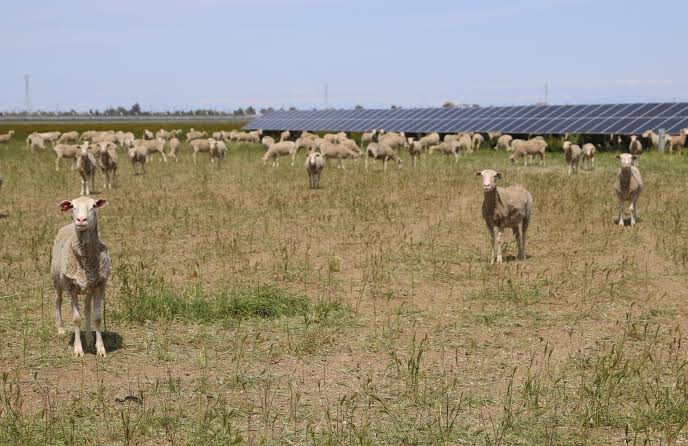
Solar grazing has emerged as a win-win solution for solar farms and sheep farmers alike, and one New Jersey teacher's story proves it can be a goldmine. In 2013, Julie Bishop noticed something odd near her home: workers mowing a large solar park while she desperately needed land to feed her sheep. That observation sparked an idea that would grow into a 450-strong flock and a thriving business.
The Accidental Discovery That Started It All
Bishop was a teacher who had raised horses for years before buying sheep to practice herding with Mandy, her Australian Cattle Dog. Her hobby grew, and her roughly 2.4 hectares (about 6 acres) quickly became too small to sustain the flock. Then, in 2013, she spotted a fenced photovoltaic installation about 8 kilometers (5 miles) from home, covered in grass that had to be mowed periodically. Where the company saw maintenance, Bishop saw free food for her animals and a business opportunity.
Find Original, High-end Home Decor that spark conversation at Grand Goldman Shop.
From Mowers to Munchers: The Proposal
Bishop approached the solar company with a simple proposal: let her sheep do the mowing. But turning that idea into reality was more complicated than expected. The land had been agricultural before being dedicated exclusively to solar production, so Bishop and the company had to go to the municipality and get approval. This regulatory hurdle highlights how solar grazing sits at the intersection of energy, agriculture, and local zoning—a space that requires careful navigation.
Why Solar Grazing Makes Sense
Solar farms often cover large tracts of land with grass that must be maintained to prevent shading and fire hazards. Traditional mowing with machines is costly, noisy, and emits carbon. Sheep provide a natural, low-impact alternative. They graze between the panels, keeping vegetation in check without damaging equipment. For farmers, it offers access to land and forage without purchase or lease costs. For solar operators, it reduces maintenance expenses and enhances their green credentials. Context on how this played out before sits in Solar Grazing: How 450 Sheep Became a Goldmine for One Teacher.
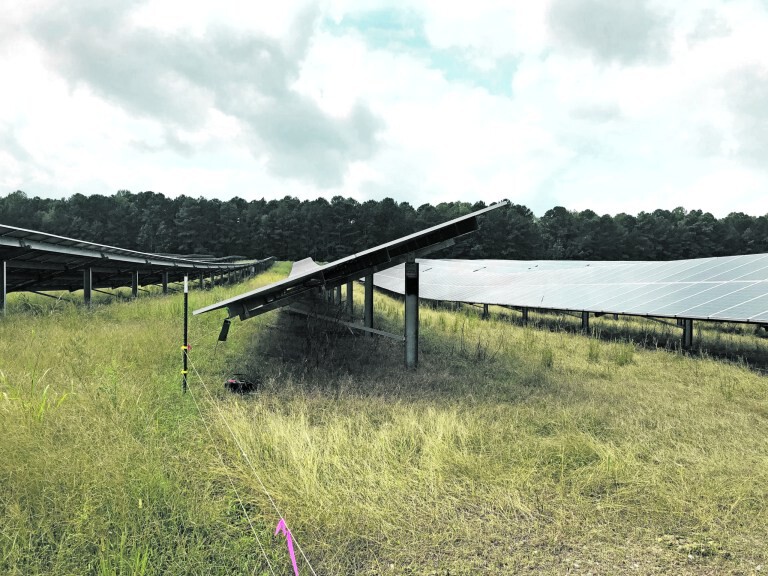
- Cost savings: Sheep replace gas-powered mowers, cutting fuel and labor costs.
- Eco-friendly: Grazing reduces carbon emissions and promotes biodiversity.
- Land access: Farmers gain free forage, expanding flock size without buying land.
- Dual use: Solar farms become productive agricultural spaces, boosting local food systems.
- Scalability: The model can be replicated across thousands of solar sites worldwide.
The Growth of Bishop's Flock
Starting with just 50 sheep, Bishop's operation expanded rapidly. Eight years later, she manages an army of 450 sheep, grazing multiple solar sites. This growth didn't happen overnight; it required building trust with solar companies, navigating regulations, and refining the logistics of moving animals between sites. Bishop's story shows how a simple observation can evolve into a scalable enterprise with environmental and economic benefits. The background to this story is set out in Energy Utilities: latest articles. A related thread runs through Spain's September Electricity Price Hike Explained: Red Eléctrica Adjustment.
Challenges and Considerations
While solar grazing offers many advantages, it's not without challenges. Sheep must be protected from predators, and fencing must be secure. Water access and shade are also important for animal welfare. Additionally, solar panels and equipment require careful management to avoid damage from curious sheep. Bishop's experience underscores the need for planning and collaboration between farmers and energy companies. Earlier coverage in North Sea Strikes Threaten UK Fuel Supplies, Union Warns shows how the argument developed. A closer look at the same subject appears in AI-Guided Robot Dog Patrols Vineyards in Extremadura.
| Aspect | Traditional Mowing | Solar Grazing |
|---|---|---|
| Cost | High (fuel, labor, equipment) | Lower (sheep provide free labor) |
| Environmental Impact | Emissions, noise | Low emissions, natural fertilization |
| Land Use | Single-purpose (energy) | Dual-purpose (energy + agriculture) |
| Maintenance | Regular scheduling | Continuous, self-regulating |
| Scalability | Limited by equipment | Scalable with flock size |
What This Means for the Future of Energy and Agriculture
Bishop's success story is part of a broader trend called agrivoltaics—combining solar energy with agriculture. As solar farms proliferate, the demand for sustainable maintenance solutions will grow. Solar grazing offers a practical way to reduce operational costs while supporting local farmers. It also addresses land-use conflicts by demonstrating that energy production and food production can coexist. For farmers looking to expand without acquiring more land, partnering with solar farms could be a game-changer. Anyone following the wider picture can start with China's AI Export Controls: 40 Key Technologies Face New Rules. The same theme surfaces in Europe's Wild Bees in Decline: Study Reveals Pollinator Crisis, which takes a different angle.
FAQ
What is solar grazing?
Solar grazing is the practice of using livestock, typically sheep, to manage vegetation on solar farms. Instead of mowing, animals graze between the panels, reducing maintenance costs and environmental impact while providing forage for farmers.
How did Julie Bishop start her solar grazing business?
In 2013, Bishop noticed workers mowing a solar park near her home and proposed using her sheep instead. After navigating local regulations, she began with 50 sheep and grew her flock to 450 over eight years, grazing multiple solar sites.
What are the benefits of solar grazing for solar companies?
Solar companies benefit from reduced mowing costs, lower carbon emissions, and improved public image. Sheep keep vegetation in check without damaging panels, and the practice supports sustainability goals.
Can any farmer start solar grazing?
While solar grazing is accessible, it requires coordination with solar operators, adherence to local zoning, and proper animal management. Farmers need secure fencing, water access, and predator protection to succeed.
Browse the Shop
 Acacia frida deluxe solid wood bed frame |
Bedroom bench |
Bed chest drawers |
Lingerie dresser |
Frame base |
Mirror with jewelry storage |
30 Bathroom Vanity |
Memory foam queen mattress |
Mattresses for back pain |
Nightstand set of 2 |
Grand Goldman Shop |
Civil Lawyer
Deutschland Trikot WM 2026










