

Wiceprezydent USA J.D. Vance planuje w najbliższych dniach dyplomatyczną wizytę na Węgrzech, aby publicznie poprzeć premiera Viktora Orbána przed wyborami parlamentarnymi 12 kwietnia 2026 roku – według wielu wysokich źródeł.
Raport Reuters sygnalizuje znaczący moment w polityce międzynarodowej – w którym amerykańscy politycy krajowi stają się coraz bardziej uwikłani w europejskie konkursy wyborcze wśród głębokich zbieżności ideologicznych i geopolitycznych przesunięć.
Find Bleeding Edge Supplements at Scandalous Prices on iHerb.

Ten ruch następuje po wcześniejszej wizycie sekretarza stanu USA Marco Rubio i ma miejsce na tle wąskiego wyścigu w Budapeszcie, gdzie nacjonalistyczna partia Orbána Fidesz zaciekle rywalizuje z centro-konserwatywną partią Tisza pod przewodnictwem Péter Magyar.
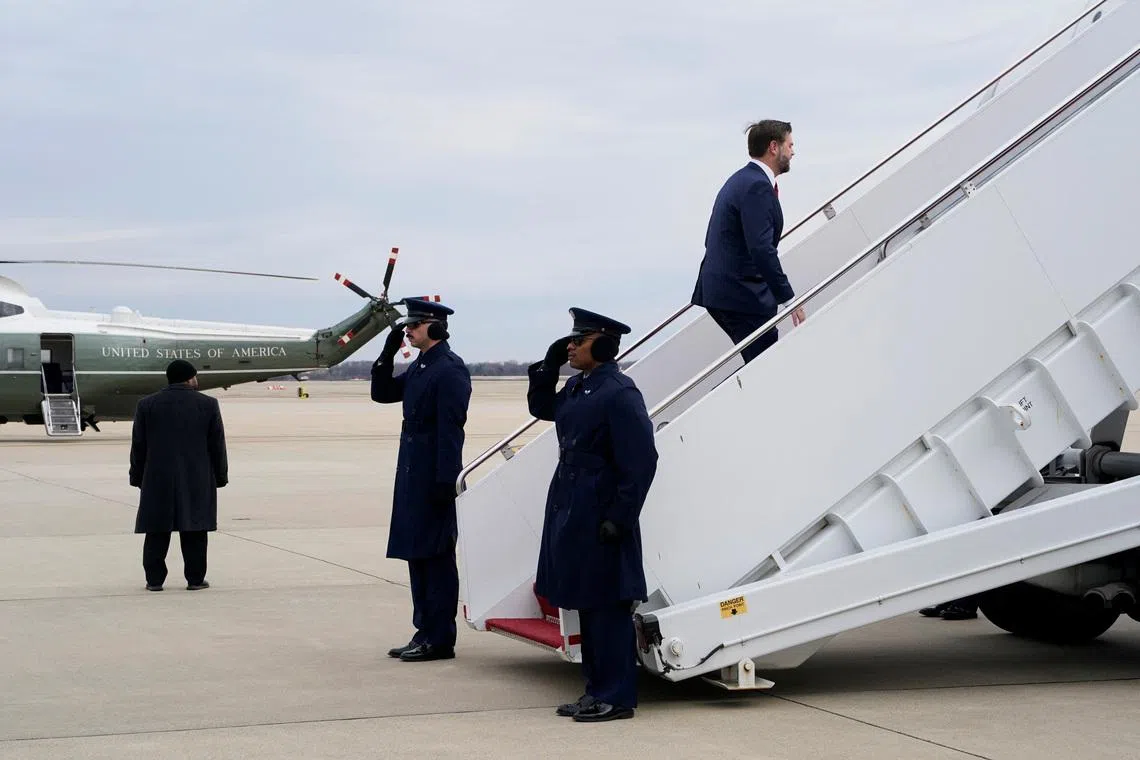
Dlaczego podróż Vance'a ma znaczenie
Planowana podróż Vance'a byłaby jednym z najbardziej widocznych przejawów amerykańskiego poparcia dla Orbána w tym cyklu wyborczym. Jako prominentny głos konserwatywny w Partii Republikańskiej i uważany przez wielu za potencjalnego kandydata na prezydenta w 2028 roku, zaangażowanie Vance'a sygnalizuje szerszą transatlantycką ideologiczną wspólnotę między niektórymi amerykańskimi konserwatystami a rządem Orbána.
Kluczowe implikacje polityczne obejmują:
-
Sygnał międzynarodowy: Zaangażowanie USA w europejskie wybory narodowe – rzadkie i delikatne – podkreśla, jak amerykańska polityka wewnętrzna (zwłaszcza skrzydło polityki zagranicznej związane z Trumpem) eksportuje wpływy za granicę.
-
Wzmocnienie sojuszy: Wzmacnia bazę Orbána, szczególnie wśród wyborców skłonnych do proamerykańskiego konserwatyzmu i sceptycznych wobec wpływów UE.
-
Wpływ na Węgry: Dla wyborców już w obozie Orbána wsparcie USA może zmobilizować frekwencję; dla niezdecydowanych lub opozycyjnych może pogłębić nieufność wobec zagranicznych ingerencji.
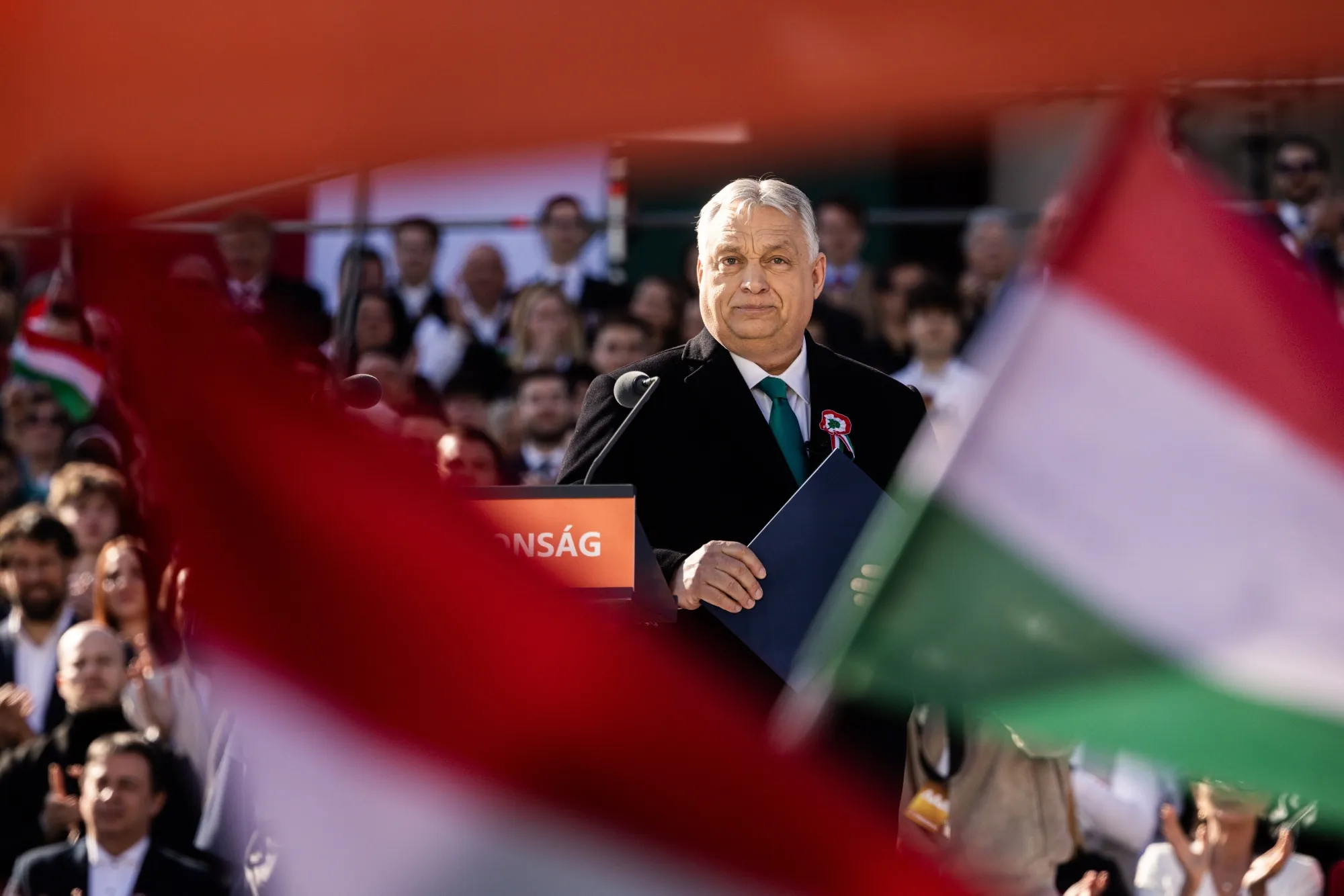
Kontekst wyborczy: Wąski wyścig i rosnące stawki
Kwietniowe wybory na Węgrzech przekształciły się w jedną z najważniejszych rywalizacji politycznych w Europie w tym roku. Długo uważane za bastion ugruntowanego przywództwa Orbána — sprawuje on urząd premiera od ponad 16 lat — ostatnie sondaże i dynamika kampanii sugerują bardziej konkurencyjny krajobraz.
Główne partie w wyścigu
| Partia | Lider | Ideologia | Aktualna pozycja w sondażach |
|---|---|---|---|
| Fidesz | Viktor Orbán | Nacjonalistyczna, konserwatywna | W tyle lub łeb w łeb |
| Partia Tisza | Péter Magyar | Umiarkowany konserwatysta / pro‑UE | Prowadzi w niektórych sondażach |
Lider opozycji Péter Magyar, były członek wewnętrznego kręgu Fideszu, obecnie przewodzi Partii Tisza, która wykorzystała frustracje ekonomiczne i obawy o demokrację, aby zyskać na popularności. Analitycy powszechnie donoszą, że Magyar prowadzi w sondażach w miarę zbliżania się wyborów — co jest oznaką zmęczenia wyborców długimi rządami Orbána.

Co jest stawką dla Węgier
1. Rządy demokratyczne i praworządność
Krytycy Orbána — zarówno krajowi, jak i międzynarodowi — twierdzą, że jego rząd systematycznie osłabił demokratyczne mechanizmy kontroli, podważył niezależność sądownictwa i skoncentrował kontrolę nad mediami w czasie swoich rządów. Praktyki te podkopały zaufanie i wzbudziły alarm w instytucjach UE.
2. Relacje z UE i polityka zagraniczna
Poza kwestiami krajowego zarządzania, zagraniczne sojusze Węgier stały się centralnym tematem wyborczym:
-
Orbán wielokrotnie blokował inicjatywy UE, w tym pakiety finansowe dla Ukrainy i sankcje na Rosję.
-
Dążył do zacieśnienia więzi z Rosją i zajmował stanowiska, które komplikują jedność UE w sprawach obronności i polityki zagranicznej.
Głosy opozycji twierdzą, że Węgry muszą ponownie zintegrować się z zachodnimi partnerami i naprawić nadwyrężone relacje z Brukselą i sojusznikami z NATO. Program Magyara odzwierciedla zaangażowanie we współpracę z Zachodem, choć jego stanowiska w kwestiach takich jak imigracja w dużej mierze pokrywają się z restrykcyjnymi podejściami Fideszu.

Wątki dyplomatyczne USA–Węgry
Poparcia Rubio i Trumpa
Przed zaangażowaniem Vance’a, sekretarz stanu Marco Rubio odwiedził Budapeszt, aby wyrazić poparcie USA dla Orbána, sugerując potencjalne wsparcie finansowe, jeśli ten uzyska kolejną kadencję.
Wcześniej w lutym prezydent USA Donald Trump publicznie poparł Orbána w wyborach, przedstawiając go jako silnego konserwatywnego przywódcę zgodnego z amerykańskimi wartościami.
Rola Vance’a
W przeciwieństwie do formalnego wysłannika Departamentu Stanu, wizyta Vance'a — odbywająca się w trakcie trwających globalnych kryzysów — ma podwójny cel:
-
Wzmacnia to więzi ideologiczne między urzędnikami USA związanymi z Trumpem a Orbánem.
-
Projektuje to zaangażowanie USA w Europie Wschodniej w czasie, gdy spójność NATO i jedność UE są pod presją.
Biały Dom nie potwierdził oficjalnie dat, a zmieniające się wydarzenia geopolityczne — zwłaszcza konflikt na Bliskim Wschodzie i szersze priorytety polityki zagranicznej USA — mogą wpłynąć na termin.
Reakcje krajowe i regionalne
Na Węgrzech
Wiece wyborcze w całym Budapeszcie pokazują zaciętą rywalizację:
-
Zwolennicy Orbána kładą nacisk na suwerenność narodową, tradycję i bezpieczeństwo.
-
Zwolennicy Magyar wyrażają pragnienie odnowy demokratycznej i integracji z europejskimi partnerami.
Opinia publiczna jest podzielona niemal równo, a podziały miejsko-wiejskie odzwierciedlają globalne pęknięcia polityczne, przy czym młodsi i bardziej proeuropejscy wyborcy skłaniają się ku opozycji.
W całej UE
Bruksela ostrożnie krytykowała Orbána, obawiając się wrażenia ingerencji w suwerenne wybory. Niemniej jednak wielu urzędników UE przyznaje prywatnie, że kierunek Węgier wpłynie na kształtowanie polityki i spójność UE w nadchodzących latach.
Podsumowanie – Głosowanie o globalnych konsekwencjach
Planowana wizyta wiceprezydenta J.D. Vance'a w celu poparcia Viktora Orbána przed kwietniowymi wyborami na Węgrzech sygnalizuje znacznie więcej niż dyplomatyczną grzeczność. Odbija ona pogłębiające się przenikanie amerykańskiej polityki partyjnej z wyborami europejskimi i podkreśla strategiczne znaczenie Węgier na kontynentalnej scenie.
Przy napiętej rywalizacji i wysokiej stawce dotyczącej norm demokratycznych, integracji UE i sojuszy zagranicznych, każdy międzynarodowy gest — w tym ten — może kształtować nie tylko krajowe wyniki na Węgrzech, ale także ewoluującą architekturę stosunków transatlantyckich.
Czytaj dalej
Obniżka stóp Fed | Skok inflacji w USA | Spadek Wall Street | Porozumienie Samsung-AMD w sprawie AI | Przepisy USA dotyczące paliwa
Browse the Shop
 Acacia frida deluxe solid wood bed frame |
Bedroom bench |
Bed chest drawers |
Lingerie dresser |
Frame base |
Mirror with jewelry storage |
30 Bathroom Vanity |
Memory foam queen mattress |
Mattresses for back pain |
Nightstand set of 2 |
Grand Goldman Shop |
Civil Lawyer
Deutschland Trikot WM 2026
Acacia frida deluxe solid wood bed frame |
Bedroom bench |
Bed chest drawers |
Lingerie dresser |
Frame base |
Mirror with jewelry storage |
30 Bathroom Vanity |
Memory foam queen mattress |
Mattresses for back pain |
Nightstand set of 2 |
Grand Goldman Shop |
Civil Lawyer
Deutschland Trikot WM 2026










