

The August 12, 2026 solar eclipse is not just a spectacle for skywatchers—it's a unique opportunity for citizens to contribute to real scientific research. During the brief minutes of totality, you can help scientists study everything from light pollution to animal behavior and even your own physiological responses.
Why the 2026 Solar Eclipse Is a Scientific Goldmine
Solar eclipses offer rare conditions that are difficult to replicate in a lab. As the moon blocks the sun, the sky darkens dramatically, temperatures drop, and animal behaviors shift. These fleeting moments allow researchers to gather data on phenomena that are otherwise hard to observe.
Find Original Home Decor sparking conversation at Grand Goldman Shop.

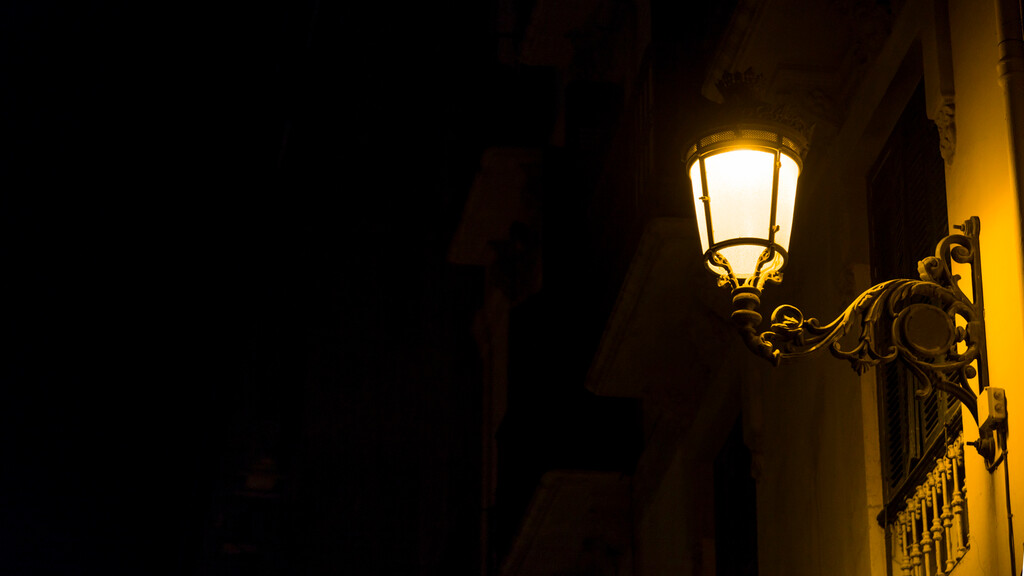
Moreover, the eclipse occurs when streetlights are typically off, creating a uniquely dark sky that reveals stars and planets otherwise washed out by artificial light. This makes it an ideal natural experiment for studying light pollution and its effects.
Citizen Science Projects You Can Join
Several projects are recruiting volunteers to collect data during the eclipse. Whether you're a seasoned citizen scientist or a curious beginner, there's a project for you.
EclipseDSM: Mapping Light Pollution
Developed by scientists, EclipseDSM aims to measure light pollution during the eclipse. Participants will use a smartphone app to record sky brightness and other environmental data. This information will help researchers understand how artificial light affects our view of the night sky and contributes to light pollution.
By joining EclipseDSM, you'll be part of a nationwide effort to create a detailed map of light pollution during an eclipse—a first of its kind.
Animal Behavior Studies
During totality, many animals exhibit nighttime behaviors, such as birds roosting or insects becoming active. Researchers are asking citizens to observe and report animal activity using dedicated apps or online forms. These observations will help scientists understand how eclipses disrupt circadian rhythms and animal routines.
Whether you're in a park or your backyard, your observations can contribute valuable data to these studies.
Heart Rate and Respiratory Monitoring
Another project focuses on the physiological effects of the eclipse on humans. Participants will wear fitness trackers or use apps to monitor their heart rate and breathing before, during, and after totality. Scientists hope to learn whether the sudden darkness and temperature drop trigger measurable changes in human physiology.
This study could shed light on how environmental cues affect our bodies, with potential implications for understanding stress and relaxation responses.
How to Get Involved
Getting involved is easy. Most projects require only a smartphone and a willingness to follow simple instructions. Here's what you need to know: The background to this story is set out in Europe Solar Eclipse 2026: Rare Spectacle Draws Millions. A related thread runs through Europe Solar Eclipse 2026 Draws Millions to Totality Spots. Earlier coverage in August 12, 2026: Solar Eclipse, Perseids and Planetary Alignment shows how the argument developed.
- Register in advance: Sign up for projects online to receive instructions and updates.
- Download apps: Many projects use dedicated apps for data collection.
- Practice beforehand: Familiarize yourself with the protocols to ensure smooth data collection during the eclipse.
- Stay safe: Always use certified eclipse glasses when looking at the sun.
- Share your experience: Use social media to encourage others to participate.
What Scientists Hope to Learn
The data collected during the eclipse could lead to new insights in several fields. Light pollution studies may inform urban planning and energy policies, while animal behavior research could reveal how wildlife adapts to sudden environmental changes. Physiological studies might uncover links between natural light cycles and human health. A closer look at the same subject appears in Satellite Light Pollution Exposed: Starlink Leads Violations, Guowang Worse. Anyone following the wider picture can start with Dark Sky Movement: Light Pollution Steals Night Sky. The same theme surfaces in Total Solar Eclipse 2026: Why It Moved Spectators to Tears, which takes a different angle.
By participating, you're not just watching an eclipse—you're helping to advance science. Context on how this played out before sits in UK Solar Eclipse 2026: Best Viewing Spots Revealed. A companion piece, Download Offline Maps for the 2026 Solar Eclipse on Mobile, approaches the same subject from another angle.
Comparison of Citizen Science Projects
| Project | Focus | What You Need | Time Commitment |
|---|---|---|---|
| EclipseDSM | Light pollution | Smartphone with app | ~10 minutes |
| Animal Behavior Studies | Animal activity | Smartphone or notebook | ~30 minutes |
| Heart Rate Monitoring | Human physiology | Fitness tracker or app | ~20 minutes |
FAQ
Do I need special equipment to participate?
Most projects require only a smartphone. For heart rate monitoring, a fitness tracker is helpful but not mandatory. Always use certified eclipse glasses for safe viewing.
Can I participate if I'm not in the path of totality?
Yes, many projects welcome data from anywhere the eclipse is visible, even if partial. Check each project's guidelines for specific requirements.
How will my data be used?
Data will be analyzed by researchers and may be published in scientific papers or used to inform public policy. Your contributions will help advance our understanding of eclipse effects.
The Bottom Line
The 2026 solar eclipse offers a rare chance to be part of scientific discovery. By joining citizen science projects, you can help researchers study light pollution, animal behavior, and human physiology—all while enjoying one of nature's most awe-inspiring events. So mark your calendar, sign up for a project, and get ready to contribute to science on August 12, 2026.
Browse the Shop
 Acacia frida deluxe solid wood bed frame |
Bedroom bench |
Bed chest drawers |
Lingerie dresser |
Frame base |
Mirror with jewelry storage |
30 Bathroom Vanity |
Memory foam queen mattress |
Mattresses for back pain |
Nightstand set of 2 |
Grand Goldman Shop |
Civil Lawyer
Deutschland Trikot WM 2026







