

The Jorge Chávez International Airport in Lima is spearheading an ambitious transformation to become Latin America's first Airport City. This project redefines the airport experience, turning a transit hub into a dynamic urban center that integrates transport, services, and economic activities.
For decades, airports have been places we pass through—arrive with a suitcase, go through security, wait for a boarding call, and disappear through a gate. But that relationship is changing in large infrastructure projects where the question is no longer just how many passengers a terminal can move, but what else can happen around it.
Find Original Home Decor sparking conversation at Grand Goldman Shop.

From Airport to Airport City: The Vision Behind Jorge Chávez
The Jorge Chávez project is not a greenfield airport but a deep transformation of infrastructure that has been operating since 1960. The expansion has added a new passenger terminal, a second runway, and a new control tower—components that have already changed the operational capacity of Peru's main airport.

But this modernization is only the first part of a broader plan. Lima Airport Partners presents this initiative as the first Airport City in Latin America, aiming to create a self-sustaining urban ecosystem around the airport.

Key Components of the Expansion
- New passenger terminal: Designed to handle millions of passengers annually with modern amenities.
- Second runway: Increases capacity and reduces congestion.
- New control tower: Enhances safety and operational efficiency.
- Commercial and logistics zones: Spaces for businesses, hotels, and cargo facilities.
- Improved ground transportation: Integrated connections to the city.
Why an Airport City Matters for Latin America
Airport cities are not a new concept globally—think Amsterdam Schiphol or Dubai's aerotropolis—but they are rare in Latin America. The Jorge Chávez project could set a precedent for how the region approaches infrastructure.
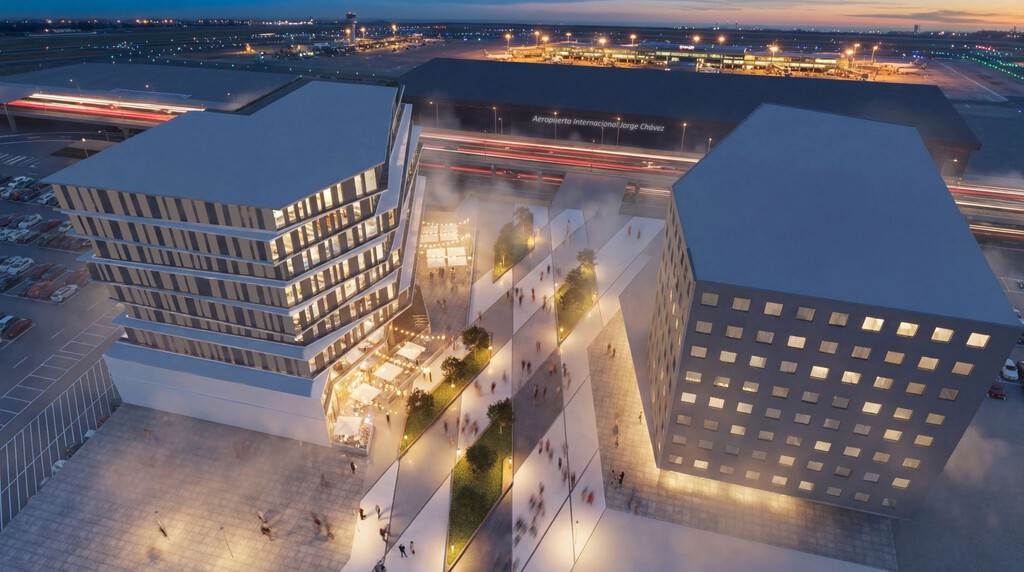
By creating an airport city, Lima aims to boost its role as a regional hub, attract foreign investment, and generate employment. The integration of commercial, logistics, and leisure activities around the airport can create a self-sustaining economic ecosystem.
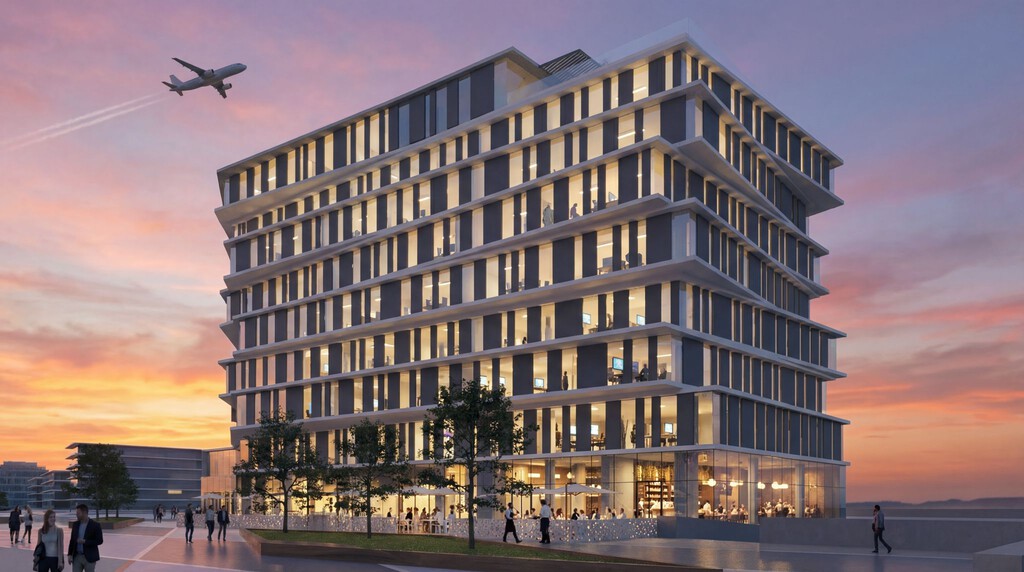
Economic and Social Impact
The project is expected to generate thousands of direct and indirect jobs, both during construction and operation. It also positions Lima as a competitive player in the global aviation market. Context on how this played out before sits in Lima's Jorge Chávez: Latin America's First Airport City Takes Shape.
Moreover, the airport city concept can improve the passenger experience by offering services beyond traditional retail—such as business centers, hotels, and entertainment options—making the airport a destination in itself. The background to this story is set out in How to Get to Kuala Lumpur City Centre from the Airport (KLIA). A related thread runs through Science: latest articles.
Challenges and What to Watch Next
Despite the promise, the project faces challenges. Integrating an airport city with the surrounding urban fabric requires careful planning to avoid congestion and environmental issues. Earlier coverage in Dark Matter Mystery: How Giant Planets Could Reveal the Invisible Universe shows how the argument developed. A closer look at the same subject appears in Europe's Drought Crisis: Why Northern Countries Now Want More Reservoirs.
Additionally, the success of such a project depends on sustained investment and efficient management. Stakeholders will need to balance commercial interests with the needs of local communities. Anyone following the wider picture can start with Spain Solar Records Expose Grid Curtailment Waste Problem. The same theme surfaces in JetZero's Blended Wing Body Z4 Aims to Break the Airbus-Boeing Mold, which takes a different angle.
Comparison with Other Global Airport Cities
| Airport City | Location | Key Features |
|---|---|---|
| Jorge Chávez | Lima, Peru | New terminal, second runway, commercial zones |
| Schiphol | Amsterdam, Netherlands | Integrated shopping, business district, logistics |
| Dubai World Central | Dubai, UAE | Aerotropolis, logistics hub, residential areas |
| Incheon | South Korea | Free economic zone, entertainment, residential |
FAQ
What is an Airport City?
An Airport City is a urban development that integrates airport infrastructure with commercial, logistics, and residential areas, creating a self-sustaining economic hub around the airport.
Why is the Jorge Chávez project significant for Latin America?
It is the first project of its kind in the region, potentially setting a precedent for future infrastructure developments and boosting Lima's competitiveness as a regional hub.
What are the main components of the expansion?
The expansion includes a new passenger terminal, a second runway, a new control tower, and zones for commercial and logistics activities.
When will the project be completed?
The new terminal and runway are already operational, but the full Airport City development will unfold in phases over the coming years.
Browse the Shop
 Acacia frida deluxe solid wood bed frame |
Bedroom bench |
Bed chest drawers |
Lingerie dresser |
Frame base |
Mirror with jewelry storage |
30 Bathroom Vanity |
Memory foam queen mattress |
Mattresses for back pain |
Nightstand set of 2 |
Grand Goldman Shop |
Civil Lawyer
Deutschland Trikot WM 2026







