

NASA's launch facilities are too old and overcrowded to support the Artemis moon missions, according to a new report from the agency's Office of Inspector General (OIG). The warning highlights a growing infrastructure crisis that could delay or jeopardize America's return to the lunar surface.
The OIG found that the Kennedy Space Center (KSC) in Florida and the Wallops Flight Facility in Virginia—NASA's two primary launch sites—are saturated and operating with obsolete equipment. Both facilities are shared with private companies like SpaceX and Blue Origin, and the launch cadence has skyrocketed in recent years.
Find Original Home Decor sparking conversation at Grand Goldman Shop.

Launch Demand Skyrockets at NASA Facilities
The numbers tell a stark story. In 2020, KSC hosted 31 rocket launches. By 2025, that figure had jumped to 109—a 252% increase. Wallops saw its launch count rise from 3 to 17 over the same period, a staggering 467% surge.
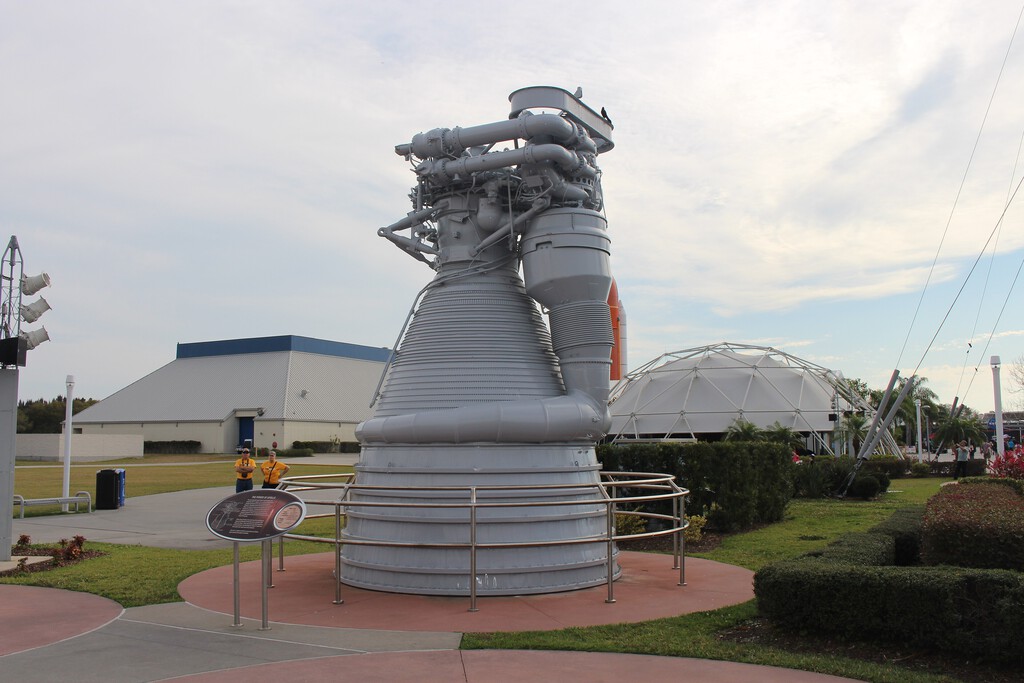
This growth reflects the booming commercial space industry, but it also strains aging infrastructure that was designed for a slower era. The OIG warns that without significant upgrades, the facilities cannot safely or efficiently handle the combined demands of NASA's Artemis program and its commercial partners.
Why the Infrastructure Is Failing
Many of the systems at KSC and Wallops date back to the Apollo and Space Shuttle eras. While some components have been updated, critical elements like launch pads, fuel storage, and range safety systems are showing their age.
The OIG report notes that the facilities are not just outdated but also overcrowded. With multiple launches scheduled close together, turnaround times between missions are shrinking, leaving little room for maintenance or contingency planning.
Key Takeaways from the OIG Report
- Launch cadence has more than tripled at KSC since 2020, and increased nearly fivefold at Wallops.
- Both facilities are shared by NASA and private companies, intensifying scheduling conflicts.
- Critical infrastructure is obsolete and lacks funding for modernization.
- Artemis missions could face delays if launch capacity is not expanded.
- The OIG recommends urgent investment, but no budget has been allocated.
The Impact on Artemis and Beyond
Artemis is NASA's flagship program to return astronauts to the moon by the mid-2020s. The program relies heavily on KSC's launch complex, including the massive Space Launch System (SLS) rocket and the Orion spacecraft.
But with commercial launches also vying for pad time, NASA faces a logistical bottleneck. The OIG warns that without upgrades, the agency may struggle to meet its Artemis timeline, potentially pushing back crewed lunar landings.
Moreover, the aging infrastructure poses safety risks. Outdated systems can malfunction, and crowded schedules increase the chance of errors. The report calls for a comprehensive modernization plan, but funding remains uncertain.
What's Next for NASA's Launch Infrastructure?
The OIG has urged NASA to prioritize infrastructure upgrades and seek additional funding from Congress. However, with budgets already stretched thin, it's unclear when or how the necessary improvements will be made. The background to this story is set out in NASA's Artemis III Plan: Two Dockings, Four Astronauts, and a Lunar Lander. A related thread runs through NASA Sends Three Fully Autonomous Robots to the Moon. Earlier coverage in China's Dixing-3 Bed Rest Study for Moon Missions Explained shows how the argument developed.
In the meantime, NASA and its partners must find ways to optimize existing facilities. This could include staggered launch schedules, increased use of other sites, or temporary fixes to extend the life of aging systems. A closer look at the same subject appears in Artemis II Crew Earns Top US Space Medal for Lunar Mission. Anyone following the wider picture can start with Artemis II Crew Earns Top US Space Medal for Historic Lunar Journey. The same theme surfaces in NASA Launches Artemis II First Crewed Moon Flyby in Over 50 Years, which takes a different angle.
One thing is clear: the success of Artemis depends not just on rockets and spacecraft, but on the ground systems that support them. As the OIG report makes plain, those systems are running on borrowed time. Context on how this played out before sits in NASA Creates Emeritus Astronaut Title as Retirements Rise. A companion piece, Madrid Wildfire Threatens NASA Deep Space Network Facility, approaches the same subject from another angle.
FAQ
What did the NASA OIG report say about launch facilities?
The OIG report found that NASA's two main launch sites, Kennedy Space Center and Wallops Flight Facility, are overcrowded and have outdated infrastructure. It warns that this could delay Artemis missions and compromise safety.
How much has launch traffic increased at these facilities?
At Kennedy Space Center, launches rose from 31 in 2020 to 109 in 2025—a 252% increase. Wallops saw a 467% jump, from 3 to 17 launches over the same period.
Why can't NASA just build new launch pads?
Building new launch pads requires significant funding and time, and NASA's budget is already stretched. The OIG report notes that no money has been allocated for modernization, leaving the agency to work with existing infrastructure.
What does this mean for the future of Artemis?
If the infrastructure is not upgraded, Artemis missions could face delays and increased risks. NASA may need to adjust schedules or find alternative solutions to ensure the program stays on track.
Browse the Shop
 Acacia frida deluxe solid wood bed frame |
Bedroom bench |
Bed chest drawers |
Lingerie dresser |
Frame base |
Mirror with jewelry storage |
30 Bathroom Vanity |
Memory foam queen mattress |
Mattresses for back pain |
Nightstand set of 2 |
Grand Goldman Shop |
Civil Lawyer
Deutschland Trikot WM 2026







