

SpaceX's Starship flight 15 achieved nearly all its objectives, capturing the Ship and deploying 26 satellites, but failed to recover the Super Heavy booster. The mission, which launched at 22:47 GMT, marked a significant step forward for reusable rocket technology.
Mission Overview: What Happened on Flight 15
SpaceX launched its 15th Starship test flight with high expectations. The launch window opened at 22:47 GMT, and the rocket lifted off without issue. The primary goals were to recover both stages: the Super Heavy booster and the Ship upper stage.
Find Original Home Decor sparking conversation at Grand Goldman Shop.

About 6.5 minutes after launch, the Super Heavy booster returned for recovery. However, the catch attempt by the Mechazilla tower failed, and the booster exploded during a last-minute splashdown. Despite this, the Ship was successfully captured by Mechazilla's "chopsticks," making history as the first controlled recovery of a second stage using this method.
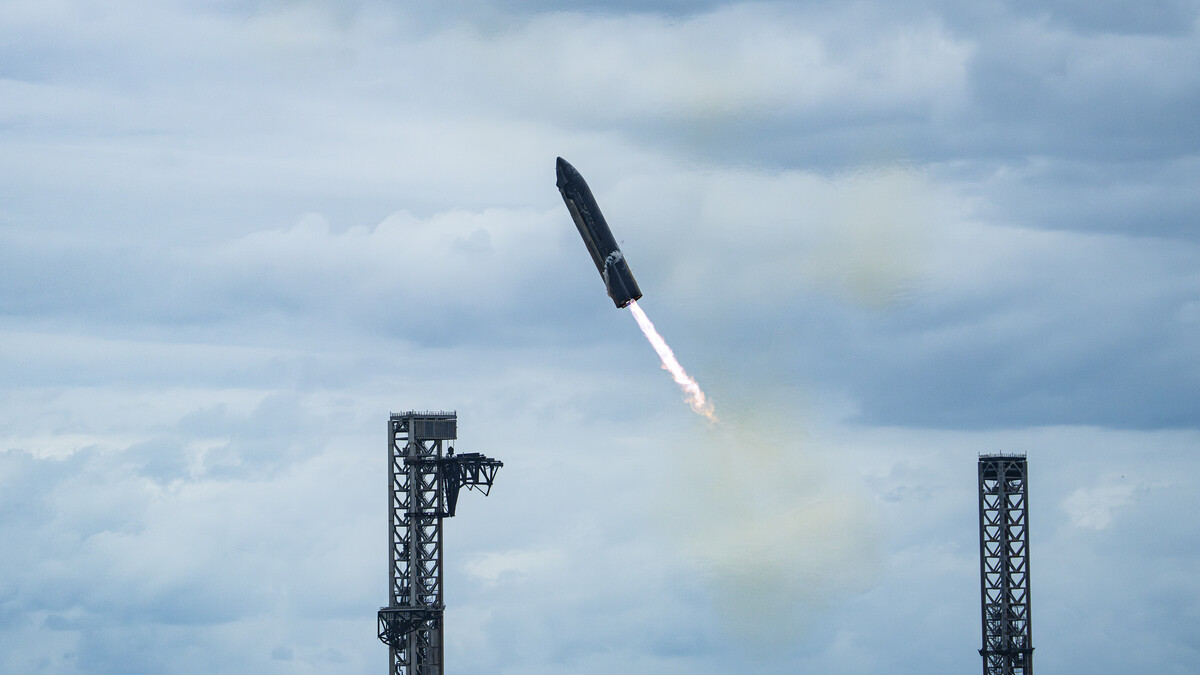
Key Achievements and the Booster Setback
The flight demonstrated significant progress in reusability. The Ship's capture is a major milestone, as no one had previously recovered a second stage in this manner. The deployment of 26 satellites also showcased the Ship's payload capacity.
The booster failure, while disappointing, is not entirely unexpected. SpaceX has successfully recovered Super Heavy boosters multiple times before, both at sea and via Mechazilla. This time, the guidance system apparently triggered a last-minute abort, leading to the explosion.
- Ship captured: First-ever controlled recovery of a second stage using Mechazilla's chopsticks.
- 26 satellites deployed: Demonstrates the Ship's capability to carry and deploy multiple payloads.
- Booster loss: Super Heavy failed to be caught and exploded during splashdown.
- Launch success: Liftoff and ascent proceeded without anomalies.
- Future implications: Data from this flight will inform upcoming tests and operational missions.
Why the Booster Recovery Failed
According to the source, the booster's guidance system did not complete the catch maneuver as planned. Although Mechazilla was authorized to attempt the catch, the system initiated a last-minute diversion, resulting in a splashdown and explosion.
This failure highlights the complexities of recovering a massive booster. SpaceX has iterated rapidly, and each test provides valuable data. The company will likely analyze the telemetry to understand why the guidance system aborted the catch.
Comparison of Flight 15 Objectives and Outcomes
| Objective | Outcome | Details |
|---|---|---|
| Recover Super Heavy booster | Failed | Booster exploded during splashdown after guidance abort. |
| Recover Ship upper stage | Success | Captured by Mechazilla's chopsticks. |
| Deploy 26 satellites | Success | All satellites deployed as planned. |
| Launch on time | Success | Liftoff at 22:47 GMT. |
What This Means for SpaceX and Reusability
The successful capture of the Ship is a game-changer. It proves that SpaceX can recover the upper stage, which is crucial for rapid reuse and reducing costs. This achievement brings the company closer to its goal of fully reusable rockets.
The booster failure, while a setback, is part of the iterative development process. SpaceX has already demonstrated booster recovery multiple times, so this incident is likely a minor hiccup. The data gathered will help refine the system for future flights. The background to this story is set out in SpaceX Starship Returns to Launch Pad from Orbit in Historic Catch. A related thread runs through SpaceX Starship Catch: Giant Arms to Snag Both Stages. Earlier coverage in SpaceX to Attempt Full Starship Recovery and Reuse shows how the argument developed.
What to Watch Next
SpaceX will likely investigate the booster anomaly and attempt another catch on the next flight. The company may also focus on reusing the captured Ship for future missions. As Starship moves toward operational status, these tests are critical for NASA's Artemis program and commercial launches. A closer look at the same subject appears in SpaceX Starship Reaches Orbit for First Time in Historic Test Flight. Anyone following the wider picture can start with SpaceX Starship Reaches Orbit for the First Time Ever. The same theme surfaces in SpaceX Starship V3 Launch: A Giant Leap for Lunar Race, which takes a different angle.
The deployment of 26 satellites also signals Starship's potential for rideshare missions and large-scale constellation deployment. With each flight, SpaceX inches closer to its vision of a fully reusable, heavy-lift rocket. Context on how this played out before sits in SpaceX Starship Could Cut Travel Time to Uranus Mission in Half. A companion piece, SpaceX Starship Recovery Near Christmas Island Draws Global Attention, approaches the same subject from another angle.
FAQ
What was the main goal of SpaceX's Starship flight 15?
The main goal was to recover both stages of the rocket: the Super Heavy booster and the Ship upper stage. Additionally, the mission aimed to deploy 26 satellites.
Did SpaceX successfully capture the Ship?
Yes, the Ship was successfully captured by Mechazilla's chopsticks, marking the first controlled recovery of a second stage using this method.
Why did the Super Heavy booster fail to be recovered?
The booster's guidance system aborted the catch maneuver, leading to a splashdown and explosion. The exact cause is under investigation.
How many satellites were deployed?
26 satellites were deployed during the flight, demonstrating the Ship's payload capacity.
Browse the Shop
 Acacia frida deluxe solid wood bed frame |
Bedroom bench |
Bed chest drawers |
Lingerie dresser |
Frame base |
Mirror with jewelry storage |
30 Bathroom Vanity |
Memory foam queen mattress |
Mattresses for back pain |
Nightstand set of 2 |
Grand Goldman Shop |
Civil Lawyer
Deutschland Trikot WM 2026







