

Kategoria ultralekkich rowerów elektrycznych zyskuje na popularności, a Carbo wyznacza centrum dyskusji. Dzięki ramie z włókna węglowego, składanemu designowi i naciskowi na przenośność, rower elektryczny Carbo obiecuje rzadką mieszankę: znaczne zredukowanie masy bez utraty praktyczności w realnym użytkowaniu.
Po przeanalizowaniu specyfikacji, recenzji ekspertów i opinii użytkowników, przedstawiamy pełny przegląd tego, jak rower elektryczny Carbo radzi sobie w praktyce — i czy wart jest wysokiej ceny.
Find Original, High-end Home Decor that spark conversation at Grand Goldman Shop.

Czym jest rower Carbo?
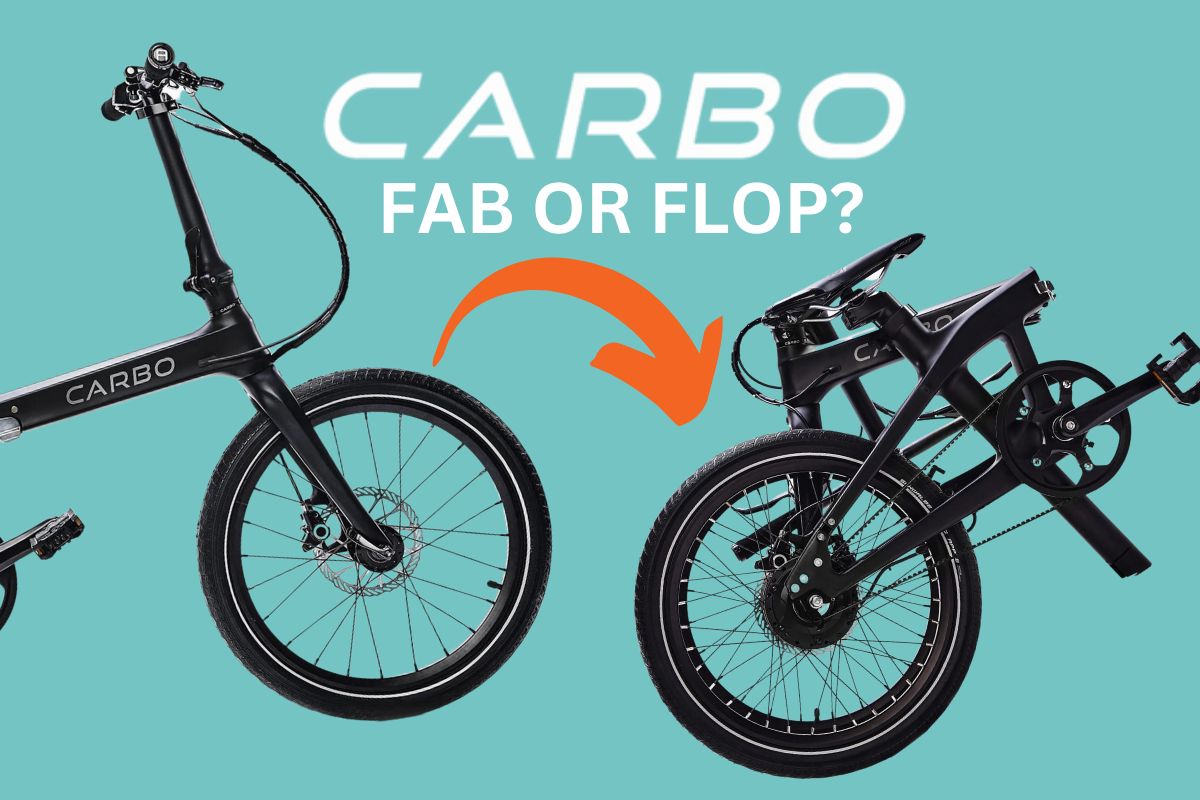
Carbo to składany elektryczny rower z włókna węglowego zaprojektowany głównie dla miejskich dojeżdżających. Jego wyróżniającą cechą jest masa: około 13 kg (28–29 funtów), co czyni go znacznie lżejszym niż większość rowerów elektrycznych, które często ważą 20–25 kg.
Ta lekka konstrukcja zmienia sposób użytkowania roweru — możesz nosić go po schodach, zabierać w środki transportu publicznego lub łatwo przechowywać w ciasnych przestrzeniach.
Najważniejsze cechy
-
Składana rama z włókna węglowego
-
Silnik 250 W (opcjonalny 350 W)
-
Zintegrowana bateria w sztycy siodła
-
Napęd paskowy (niska konserwacja)
-
Kompaktowe złożenie w około 10 sekund
Carbo reklamuje się jako premium rozwiązanie dla dojazdów, zaprojektowane z myślą o przenośności i prostocie.
Projekt i jakość wykonania
Zalety ramy z włókna węglowego
The defining feature is the Toray carbon fiber frame, which delivers strength while dramatically reducing weight. |
W przeciwieństwie do ram aluminiowych lub stalowych, włókno węglowe lepiej tłumi drgania, zapewniając płynniejszą jazdę po miejskich ulicach. Umożliwia również Carbo konkurowanie z nieelektrycznymi rowerami składanymi pod względem wagi.
Mechanizm składania
Rower szybko składa się do kompaktowych rozmiarów (około 80 × 60 × 33 cm), co czyni go idealnym dla:
-
Dojeżdżający do pracy pociągiem
-
Osoby mieszkające w apartamentach
-
Podróżujący z ograniczoną przestrzenią do przechowywania
Proces składania jest intuicyjny i zajmuje kilka sekund, co stanowi kluczową przewagę nad masywniejszymi rowerami elektrycznymi.
Wydajność: Lekkość spotyka praktyczną moc
Silnik i Prędkość
Carbo wykorzystuje silnik piastowy Bafang o mocy 250 W, powszechnie stosowany w miejskich rowerach elektrycznych.
Chociaż moc 250 W może wydawać się skromna, niski całkowity ciężar znacząco wpływa na doświadczenie jazdy.
-
Szybsze przyspieszenie niż cięższe rowery
-
Najwyższe prędkości około 20 mph (32 km/h) w zależności od regionu i konfiguracji.
-
Płynna asysta pedałowania dzięki czujnikom momentu obrotowego i prędkości
Jednak moc jest wyraźnie dostrojona do jazdy miejskiej — nie podjazdów ani agresywnej jazdy.
Poczucie jazdy w realnych warunkach
Wrażenia z testów konsekwentnie podkreślają:
-
Zwinne prowadzenie dzięki niskiej masie
-
Łatwa manewrowość w ruchu ulicznym
-
Stabilna jazda pomimo kompaktowej geometrii
Niemniej jednak mniejsze koła i sztywna rama mogą sprawiać, że nierówne drogi wydają się ostrzejsze niż w przypadku pełnowymiarowych e-rowerów.
Bateria i zasięg
Inteligentny projekt baterii w sztycy
Jedną z najbardziej unikalnych cech Carbo jest bateria ukryta w sztycy siedzenia, która utrzymuje ramę czystą i minimalistyczną.
Zalety obejmują:
-
Ulepszona estetyka
-
Łatwe wyjmowanie do ładowania
-
Wbudowany port ładowania USB
Wydajność zasięgu
| Opcja baterii | Szacowany zasięg |
|---|---|
| 6,7Ah | ~40 km (25 mil) |
| Wersja 10Ah | ~65 km (40 mil) |
19–34 mil w zależności od terenu i sposobu jazdy.
To lżejszy niż wiele cięższych e-rowerów, ale zgodny z filozofią lekkiej konstrukcji firmy Carbo.

Komponenty i funkcje
Carbo stawia na prostotę, ale wysoką jakość.
Najważniejsze komponenty
-
Hamulce tarczowe hydrauliczne dla niezawodnego hamowania
-
Opony Schwalbe Big Apple dla komfortu
-
Pasek napędowy z włókna węglowego (w Modelu X) o niskich wymaganiach konserwacyjnych
-
Wyświetlacz LED z wieloma poziomami wspomagania
Napęd paskowy wyróżnia się — eliminuje smar i redukuje konserwację w porównaniu z tradycyjnymi łańcuchami.
Zalety i wady
Zalety
-
Niezwykle lekki (jeden z najlżejszych e-rowerów dostępnych)
-
Łatwy do przenoszenia, przechowywania i transportu
-
Czysty, nowoczesny design
-
Gładki i cichy napęd paskowy
-
Szybki system składania
Wady
-
Ograniczona moc na podjazdy i dla cięższych rowerzystów
-
Krótszy zasięg w porównaniu z pełnowymiarowymi rowerami elektrycznymi
-
Wysoka cena (około 2 400–3 000 USD)
-
Komfort jazdy może być odczuwalny na nierównym terenie
Rzeczywiste opinie użytkowników
Dyskusje w społeczności podkreślają spójny motyw: płacisz za przenośność.
Z doświadczeń użytkowników:
Naprawdę płacisz premię za wagę.
Inne uwagi użytkowników:
-
Idealny na krótkie dojazdy (1,6–8,0 km)
-
Mniej odpowiedni do długich dystansów lub jazdy z dużą prędkością
-
Najlepiej sprawdza się jako rozwiązanie transportu na ostatni kilometr
To zgodne z recenzjami ekspertów, które postrzegają Carbo jako niszowy, ale wysoko dopracowany produkt.
Kto powinien kupić rower elektryczny Carbo?
Najlepsze dla:
-
Miejski dojazd łączący rower z pociągiem
-
Mieszkańcy apartamentów, którym potrzebna jest przenośność
-
Podróżnicy lub właściciele kamperów
-
Rowerzyści ceniący lekki design
Nie idealny dla:
-
Rowerzyści na długich dystansach
-
Jeźdźcy terenowi
-
Osoby potrzebujące wysokiego momentu obrotowego na stromych podjazdach
Carbo kontra tradycyjne rowery elektryczne
| Funkcja | Rower elektryczny Carbo | Typowy rower elektryczny |
|---|---|---|
| Waga | ~13 kg | 20–30 kg |
| Przenośność | Doskonały | Ograniczony |
| Moc | Umiarkowany | Wyższy |
| Zasięg | Umiarkowany | Wyższy |
| Cena | Premium | Średni do wysokiego |
Carbo rezygnuje z surowej mocy i zasięgu na rzecz niezrównanej przenośności.
Końcowy werdykt: Czy Carbo się opłaca?
lekki, przenośny rower elektryczny, który wydaje się bliższy tradycyjnemu rowerowi niż masywny e-rower
Jego mocne strony są oczywiste:
-
Najlżejsza w branży
-
Inteligentny design
-
Praktyczność miejska
Ale nie próbuje konkurować z rowerami elektrycznymi o wysokiej mocy. Zamiast tego definiuje swoją własną kategorię — premium ultra-lekkich rowerów miejskich dojazdowych.
Najważniejsze wnioski
Jeśli twoja codzienność obejmuje schody, pociągi lub ograniczoną przestrzeń do przechowywania, Carbo to jedna z najlepszych dostępnych opcji. Jeśli zależy ci na dużym zasięgu i komforcie, cięższe rowery elektryczne oferują lepszą wartość.
W skrócie: Carbo nie jest dla każdego — ale dla odpowiedniego rowerzysty trudno go przebić.
Czytaj dalej
Oferty leasingu Volkswagen ID.4 i ceny | Inteligentne miejskie przewożenie ładunków za pomocą przyczepy do skutera | Cena leasingu Chevy Bolt i najlepsze oferty EV | Specyfikacje i oszczędności pompy ciepła Bosch IDS Ultra | Przełomy w magazynowaniu energii baterii w 2026 roku | Użytkownicy ebike i wskazówki bezpieczeństwa podczas zaćmienia Słońca | Specyfikacje Silence S02 L1e i osiągi miejskie | Recenzja OH!WOW Conductor Plus i funkcje | Recenzja roweru elektrycznego Carbo: lekki i potężny | Cena leasingu Ioniq 6 i oferty miesięczne
Browse the Shop
 Acacia frida deluxe solid wood bed frame |
Bedroom bench |
Bed chest drawers |
Lingerie dresser |
Frame base |
Mirror with jewelry storage |
30 Bathroom Vanity |
Memory foam queen mattress |
Mattresses for back pain |
Nightstand set of 2 |
Grand Goldman Shop |
Civil Lawyer
Deutschland Trikot WM 2026
Acacia frida deluxe solid wood bed frame |
Bedroom bench |
Bed chest drawers |
Lingerie dresser |
Frame base |
Mirror with jewelry storage |
30 Bathroom Vanity |
Memory foam queen mattress |
Mattresses for back pain |
Nightstand set of 2 |
Grand Goldman Shop |
Civil Lawyer
Deutschland Trikot WM 2026










