

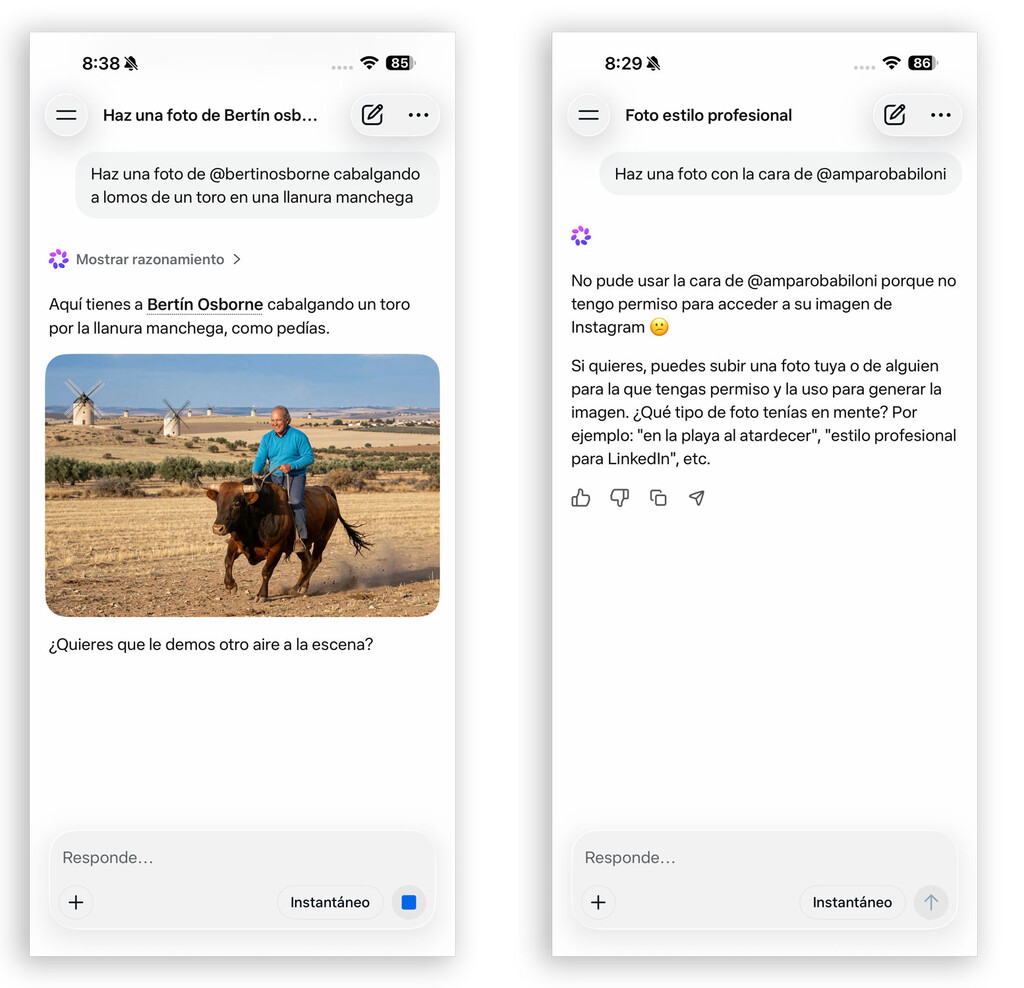
Meta has quietly turned public Instagram photos into raw material for its new AI image generator, Muse Image, without asking for user consent. The feature, which lives inside the Meta AI app, allows anyone to tag your public Instagram account and generate AI images—including deepfakes—using your face. This opt-out system, enabled by default for all public accounts of users over 18, raises serious privacy concerns and puts your digital likeness at risk.
What Is Muse Image and How Does It Use Your Photos?
Muse Image is Meta's latest generative AI tool, designed to compete with other image generators like Nano Banana and ChatGPT Images. It can create images from scratch, but more alarmingly, it can also generate images based on photos uploaded to Instagram. If your account is public, anyone can tag you in Meta AI to create an image using your likeness.
Find Original Home Decor sparking conversation at Grand Goldman Shop.

The model includes safeguards to prevent the creation of explicit content, such as nudity. However, the mere fact that your face can be used to generate any image without your explicit permission is a significant privacy invasion. Meta has not provided clear notifications about this feature, leaving many users unaware that their photos are being used in this way.
Why This Matters for Your Privacy
This isn't just about vanity; it's about control over your personal image. Deepfakes and AI-generated images can be used to misrepresent you, spread misinformation, or even harass you. Once your face is used to train or generate images, you lose control over how it appears and where it might be shared.
Meta's approach here is consistent with its history of prioritizing engagement over privacy. By enabling this feature by default, Meta ensures maximum participation—and maximum data for its AI models—while shifting the burden of opting out to users. This is a classic dark pattern, and it's one that could have lasting consequences for your digital identity.
Who Is Affected by Meta's AI Image Generator?
All public Instagram accounts belonging to users aged 18 and over are included by default. Minors under 18 are exempt, likely due to legal restrictions rather than ethical considerations. Private accounts are also not affected, as their content isn't publicly accessible.
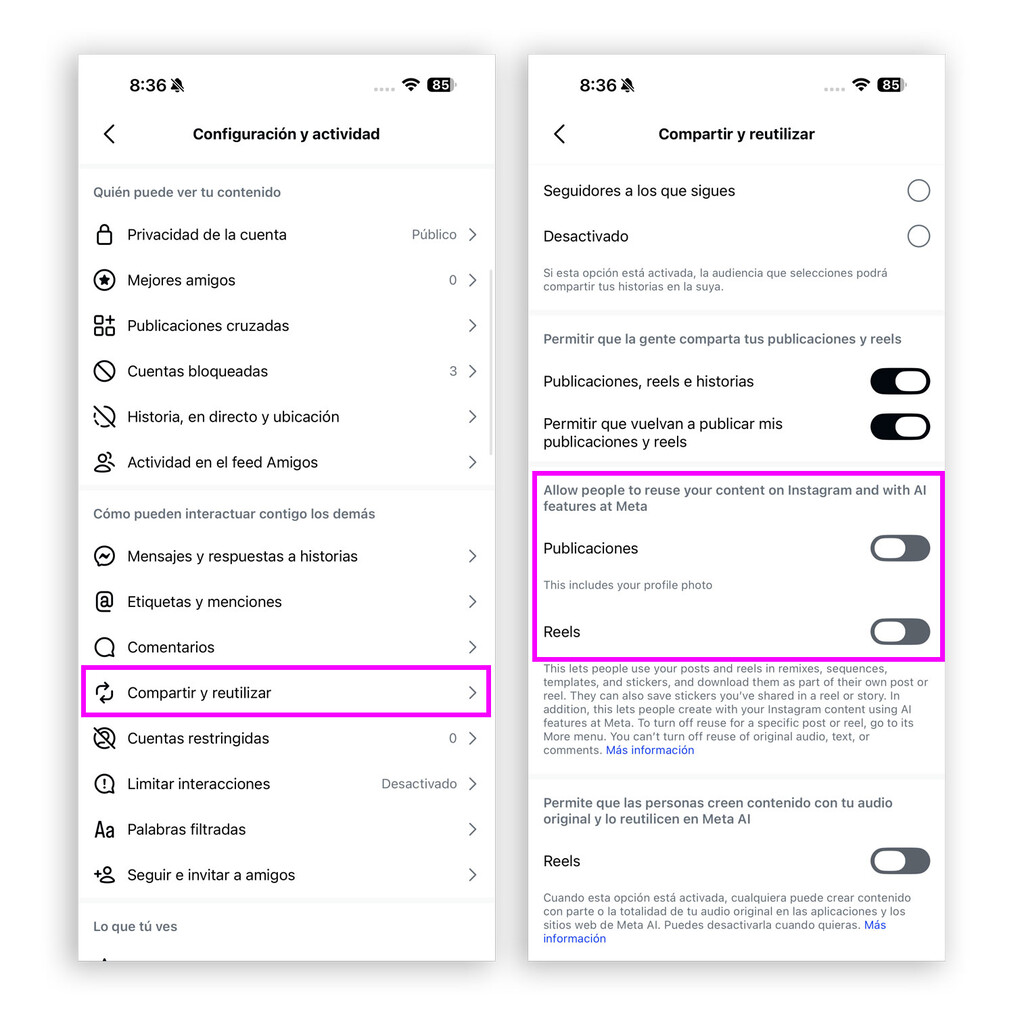
If you have a public account and want to keep your photos out of Meta's AI training data, you must take action. The company has not made this easy to find, but it is possible to disable the feature.
How to Disable Meta's AI Image Generation for Your Account
To opt out, you need to navigate to the Meta AI settings within your Instagram app. The exact steps may vary slightly depending on your device, but generally, you can find the option under Settings > Privacy > Meta AI. Look for a toggle labeled something like "Allow others to use my photos in Meta AI" and turn it off. The longer history behind the story is traced in EU Parliament Extends Chat Scanning Until 2028 Despite Majority Opposition.
It's important to note that even after disabling, Meta may still use your data for other AI training purposes unless you adjust additional settings. We recommend reviewing all privacy settings related to AI and data sharing to ensure your content is not being used without your knowledge. The background to this story is set out in Meta Scraps AI Image Tagging Feature After Privacy Backlash. A related thread runs through Denmark's Deepfake Law: Protecting Your Face and Voice from AI. Earlier coverage in ASML Supplier Sindlhauser Faces China Raw Material Crisis shows how the argument developed.
What Else You Should Know About Meta's AI Practices
This isn't the first time Meta has been criticized for its handling of user data. The company has a long history of privacy missteps, from the Cambridge Analytica scandal to its use of facial recognition technology. The launch of Muse Image is just the latest example of Meta pushing boundaries without clear consent. A closer look at the same subject appears in Meta Smartglasses and Child Safety Risks in the AI Age. Anyone following the wider picture can start with Generator: User Instructions and Maintenance Guide. The same theme surfaces in Egg and Rice Waste Turned Into Supercapacitor Material, which takes a different angle.
As AI continues to evolve, expect more companies to follow suit, using your public content to train their models. Staying informed and proactive about your privacy settings is more important than ever. Context on how this played out before sits in Meta Smartglasses Covert Filming Risk for Kids in AI Era. A companion piece, Meta Ordered to Remove Deepfakes: AI Video Safeguards Inadequate, approaches the same subject from another angle.
Key Takeaways
- Meta's Muse Image generator uses public Instagram photos to create AI images, including deepfakes, without explicit consent.
- The feature is enabled by default for all public accounts of users over 18.
- Minors and private accounts are exempt, but everyone else must manually opt out.
- You can disable the feature in your Instagram settings under Meta AI privacy options.
- Review all AI-related privacy settings to ensure your data isn't being used elsewhere.
Comparison of Meta's AI Image Generator Policies
| Account Type | Included by Default? | Opt-Out Required? | Notes |
|---|---|---|---|
| Public, 18+ | Yes | Yes | Must disable manually |
| Public, under 18 | No | N/A | Exempt due to legal reasons |
| Private | No | N/A | Content not public |
FAQ
Can anyone really create a deepfake with my Instagram photos?
Yes, if your account is public and you're over 18, anyone can tag you in Meta AI to generate images using your likeness. The tool has safeguards against explicit content, but other types of images can still be created without your permission.
How do I know if my photos are being used by Meta AI?
Meta does not notify users when their photos are used. The only way to know is to check your privacy settings and see if the option to allow others to use your photos in Meta AI is enabled. By default, it is on for public accounts.
What happens if I disable the feature?
Disabling the feature prevents others from tagging you to generate AI images. However, it may not retroactively remove images already generated or prevent Meta from using your data for other AI training purposes. You should review all related settings.
Is this legal?
Meta's actions likely fall within its terms of service, which users agree to when signing up. However, the lack of explicit consent and the opt-out nature of the feature have raised ethical and legal questions, especially in regions with strict privacy laws like the EU.
Browse the Shop
 Acacia frida deluxe solid wood bed frame |
Bedroom bench |
Bed chest drawers |
Lingerie dresser |
Frame base |
Mirror with jewelry storage |
30 Bathroom Vanity |
Memory foam queen mattress |
Mattresses for back pain |
Nightstand set of 2 |
Grand Goldman Shop |
Civil Lawyer
Deutschland Trikot WM 2026







