

Tablets in 2026 are facing their most uncertain year yet, with global sales down 10% compared to last year, according to consulting firm Omdia. The decline comes as RAM prices surge and foldable phones gain traction, forcing households to reconsider which devices are truly essential.
Just a few years ago, tablets were primarily content-consumption devices—found in many homes for browsing, streaming shows, or checking email and social media on a screen larger than a phone. That picture hasn't changed entirely, but for a growing segment of users, tablets are increasingly positioned as productivity tools, capable of replacing a laptop in many scenarios.
Find Original, High-end Home Decor that spark conversation at Grand Goldman Shop.
Why Tablet Sales Are Dropping in 2026
The 10% sales decline reported by Omdia reflects a broader economic reality: component costs, especially RAM, are driving up technology prices across the board. In this context, most households are choosing to sacrifice the weakest link—and tablets, while not inherently weak devices, are often the most expendable.
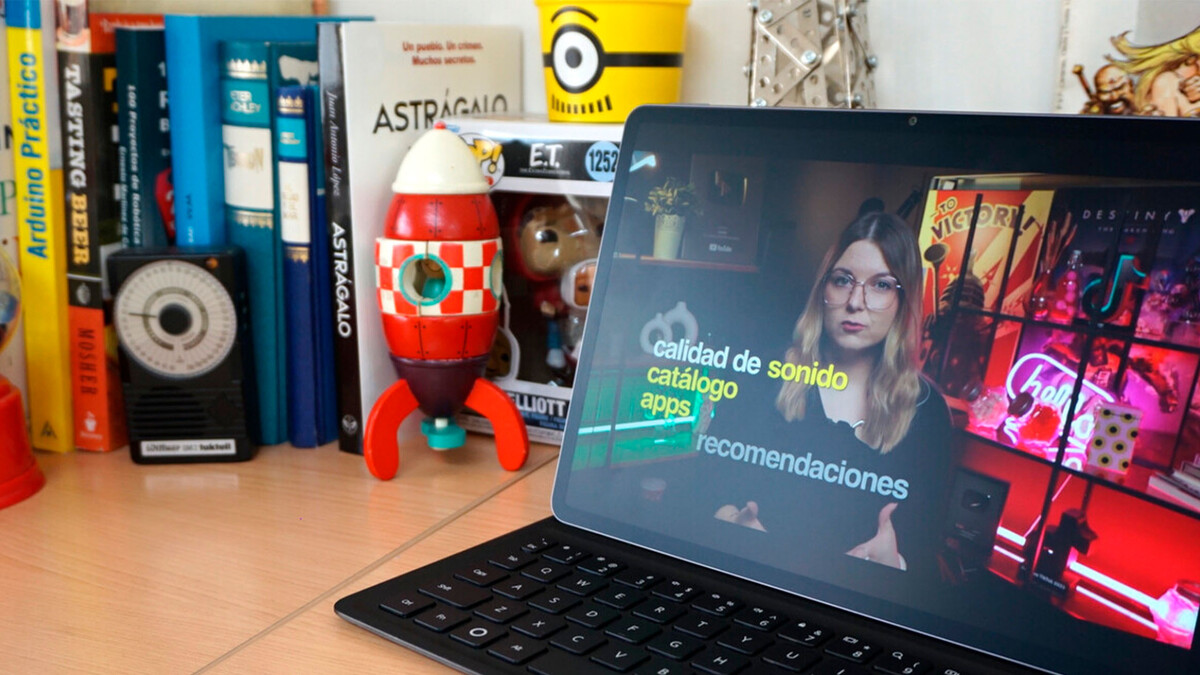
Consumers are stretching the lifespan of their existing devices rather than upgrading. With phones getting larger and foldables offering a tablet-like experience in a pocketable form, the tablet's unique value proposition is being squeezed from both sides.
The RAM Cost Factor
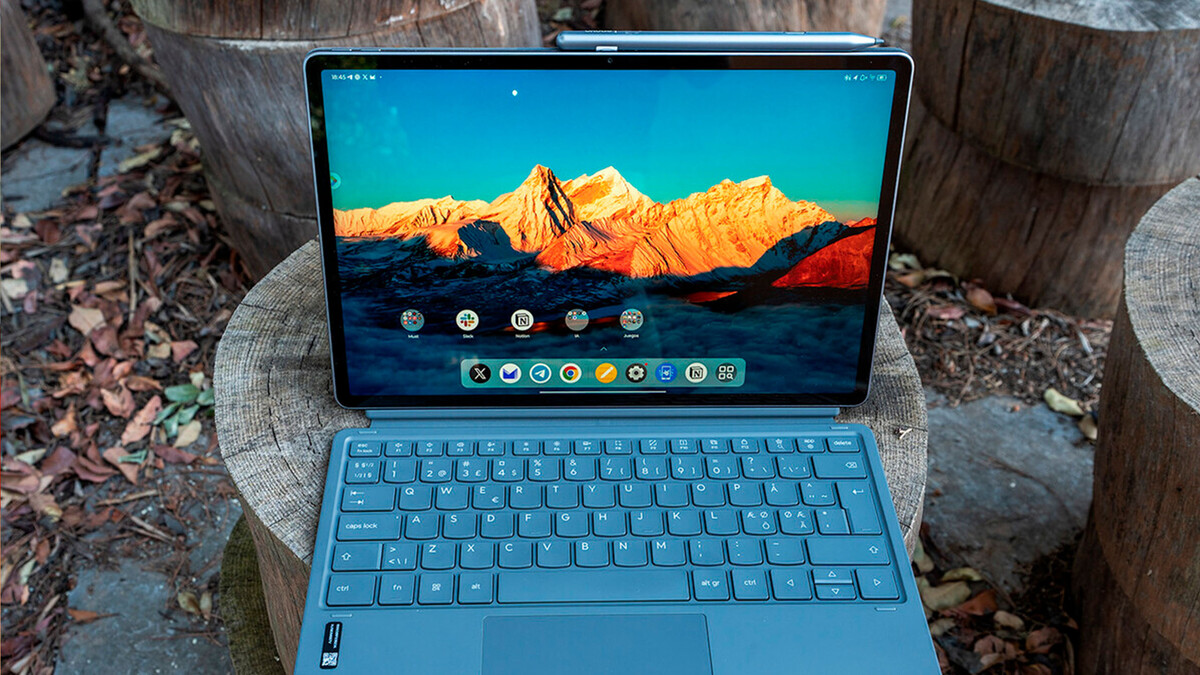
Rising RAM prices have a direct impact on tablet pricing. As manufacturers face higher production costs, those expenses are passed on to consumers, making tablets a harder sell in a price-sensitive market. When budgets are tight, the device that offers the least differentiated experience is the first to go.
Tablets as Productivity Tools: A Shifting Identity
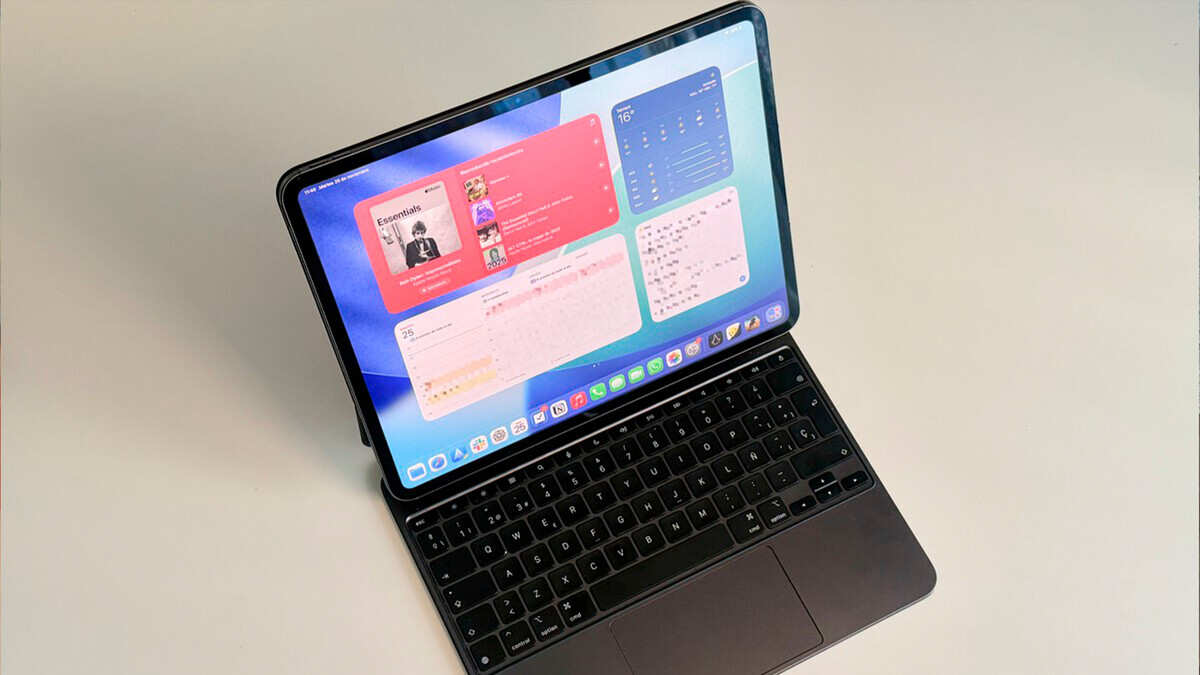
Despite the sales slump, tablets have evolved significantly. Many now support keyboard attachments, stylus input, and desktop-class apps, making them viable workstations for tasks like document editing, note-taking, and light design work.
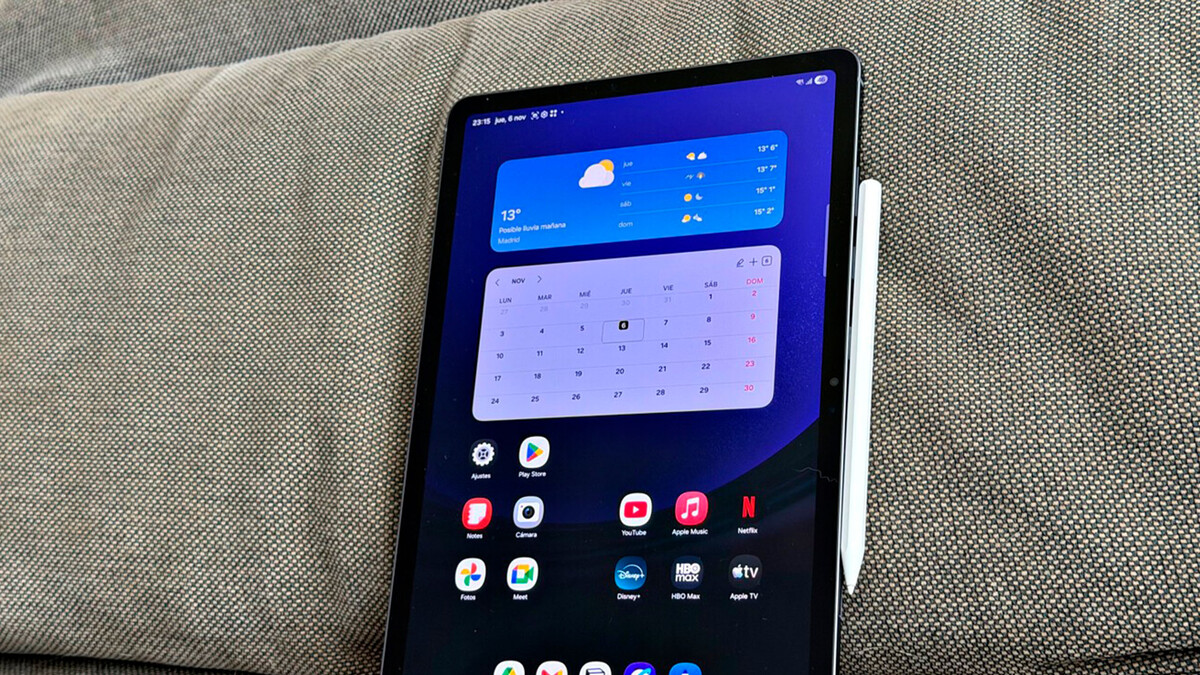
For professionals who need portability without sacrificing screen real estate, a well-equipped tablet can replace a laptop for certain workflows. However, this productivity push hasn't been enough to offset the broader market decline, partly because high-end tablets carry premium prices that rival laptops.
- Tablet sales fell 10% year-over-year in 2026, per Omdia.
- Rising RAM costs are making tablets more expensive to produce and buy.
- Larger phones and foldables are cannibalizing tablet use cases.
- Households are extending device lifespans instead of upgrading.
- High-end tablets are increasingly positioned as productivity devices.
Foldables vs. Tablets: The Overlap Problem
Foldable phones are becoming a major threat to tablets. With a foldable, users get a large inner display for reading, watching video, and multitasking—all in a device that fits in a pocket. For many, that's enough to justify skipping a tablet entirely.
The convenience factor is hard to overstate. A foldable eliminates the need to carry two devices, and as foldable durability and app optimization improve, the case for a separate tablet weakens further.
How the Two Compare
| Factor | Tablet | Foldable Phone |
|---|---|---|
| Portability | Requires a bag | Fits in a pocket |
| Screen size | Typically 10-13 inches | 7-8 inches unfolded |
| Productivity | Keyboard and stylus support | Limited multitasking |
| Price trend | Rising due to RAM costs | Premium but declining |
| Best for | Long work sessions, media | On-the-go multitasking |
Who Is Still Buying Tablets?
Despite the overall decline, certain segments remain loyal to tablets. Families with children often prefer tablets for educational apps and entertainment. Artists and designers value large touchscreens with stylus support. And some professionals still find a tablet indispensable for reading and annotating documents.
These use cases aren't going away, but they represent a narrower slice of the market than during the tablet boom years. Manufacturers will need to target these niches more precisely to sustain sales.
What to Watch Next for Tablets
The tablet market's future depends on several factors: how quickly RAM prices stabilize, whether foldables become affordable enough to replace tablets for mainstream users, and whether tablet makers can innovate in productivity features that phones simply can't match. The background to this story is set out in Honor Magic V6 Review: Sleek Foldable Phone with Premium Features. A related thread runs through Best Foldable Phones 2026: Which One to Buy and Top Models. Earlier coverage in Lindsay Clancy Trial Deadlock: What Comes Next in Triple Murder Case shows how the argument developed.
For now, the advice for buyers is to assess whether a tablet truly fills a gap in their device lineup. If a large phone or foldable already covers your needs, a tablet may be an unnecessary expense in 2026. A closer look at the same subject appears in Woke 1: Its Issues Are Minor Compared to Bigger Problems. Anyone following the wider picture can start with Honor Magic V6 Review: Sleek Foldable Phone with Stunning Display. The same theme surfaces in Falling Birthrates: Why Cash Alone Cannot Buy Belonging, which takes a different angle.
If you're considering an Apple tablet, our guide on which iPad to buy in 2026 breaks down the current lineup and helps you match a model to your workflow. It's a useful starting point before committing to a purchase in a shifting market. Context on how this played out before sits in Australia's Falling Home Prices: How They Affect You.
FAQ
Why are tablet sales declining in 2026?
Tablet sales are down 10% year-over-year, according to Omdia, largely because rising RAM costs are making devices more expensive. At the same time, larger phones and foldables are offering similar experiences, making tablets feel less essential for many households.
Are tablets still useful for productivity?
Yes, many tablets now support keyboards and styluses, and can handle document editing, note-taking, and light design work. However, high-end tablets can cost as much as laptops, so buyers should weigh the benefits carefully.
Will foldable phones replace tablets?
Foldables are increasingly capable and offer a large screen in a pocketable form, which reduces the need for a separate tablet for some users. But tablets still have advantages in screen size and productivity accessories, so they may persist in niche roles.
Should I buy a tablet in 2026?
It depends on your needs. If you already have a large phone or foldable and don't require a bigger screen for work or media, you may not need a tablet. But if you need a dedicated device for drawing, reading, or extended productivity, a tablet can still be worthwhile.
Browse the Shop
 Acacia frida deluxe solid wood bed frame |
Bedroom bench |
Bed chest drawers |
Lingerie dresser |
Frame base |
Mirror with jewelry storage |
30 Bathroom Vanity |
Memory foam queen mattress |
Mattresses for back pain |
Nightstand set of 2 |
Grand Goldman Shop |
Civil Lawyer
Deutschland Trikot WM 2026










