

TV technology in 2026 is no longer just about peak brightness or pure colors. The most interesting developments are happening in how TVs are built, connected, and interacted with—and they are set to reshape the living room experience.
From RGB Mini LED backlights to almost wireless designs and generative AI interfaces, here is a rundown of the key innovations that defined the year and what they mean for buyers.
Find Original, High-end Home Decor that spark conversation at Grand Goldman Shop.
RGB Mini LED: A New Approach to Color
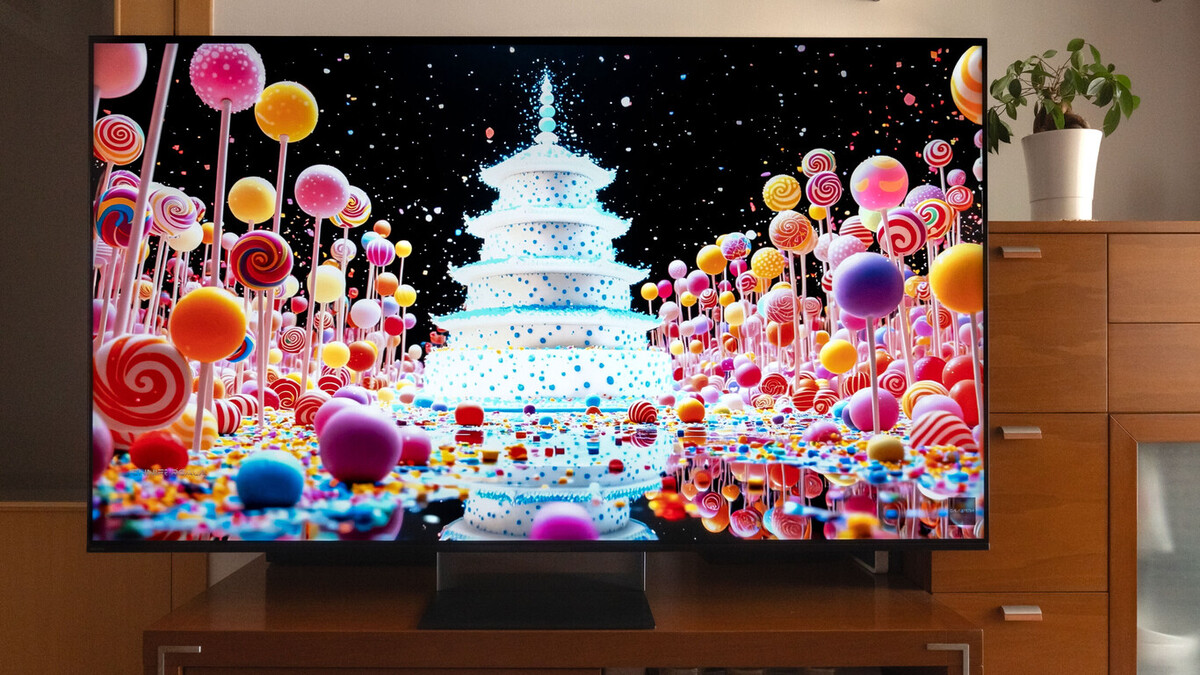
Most LCD TVs use white or blue LEDs for backlighting and then rely on filters or quantum dots to produce color. RGB backlights change that by placing independent red, green, and blue LEDs behind the screen, resulting in purer colors and a wider gamut.
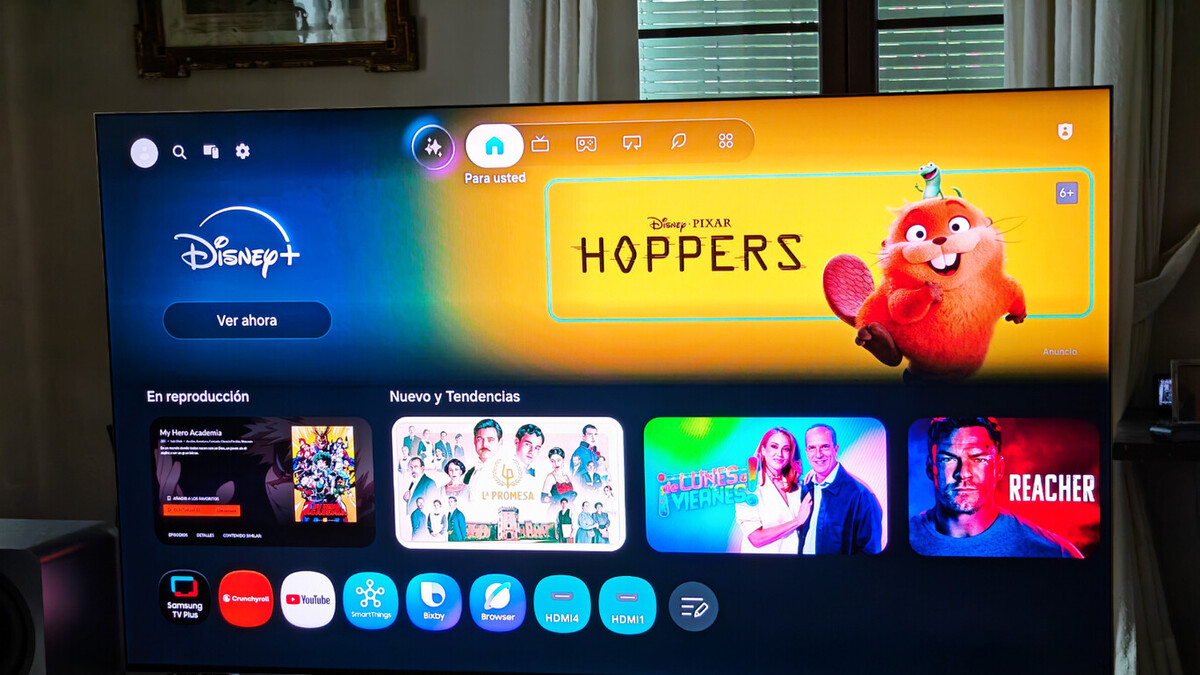
Each major brand has its own take on this idea. Samsung calls it Micro RGB (though it is actually mini LED, not micro), Hisense has RGB evo, LG offers Micro RGB, and TCL markets Mini RGB. The naming may vary, but the goal is the same: better color accuracy and vibrancy.
Why It Matters
For viewers, RGB Mini LED promises more lifelike images, especially in bright scenes and HDR content. It also reduces the need for color filters, which can improve efficiency and brightness.
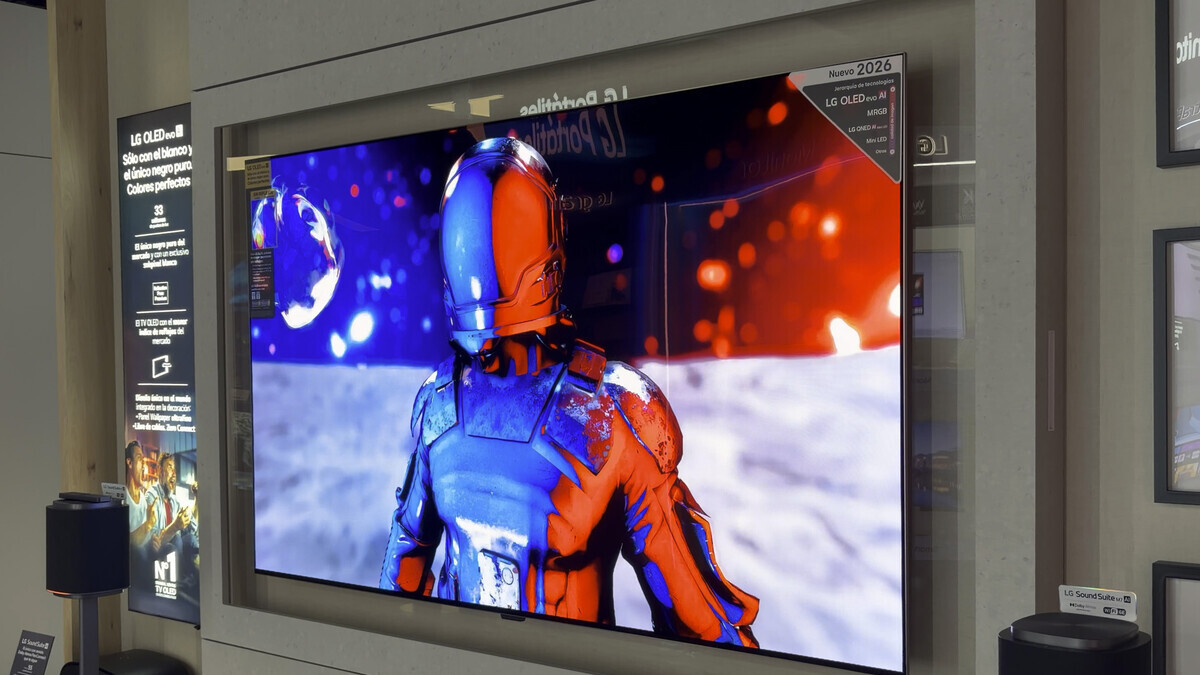
However, the technology is still premium-priced. Expect to see it in flagship models first, with wider adoption in the coming years.
Wireless and Rollable Designs
The push for cleaner living spaces has led to almost wireless TVs, where only a thin cable connects to the screen, and rollable displays that can disappear when not in use. These designs offer flexibility and aesthetics but come with trade-offs in price and installation complexity.
Rollable screens, in particular, are still niche and expensive, but they signal a future where TVs blend into the decor rather than dominate it.
Generative AI in TV Interfaces
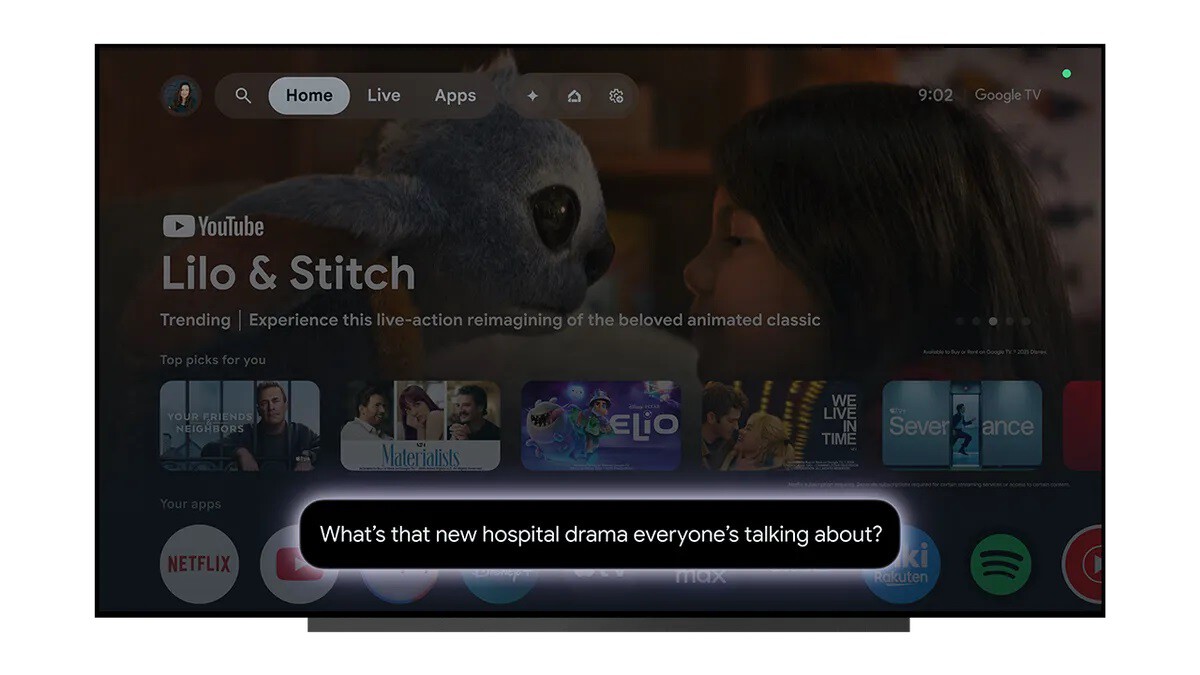
Generative AI is making its way into TV menus and recommendations. Instead of navigating clunky grids, you might soon ask your TV for content suggestions or have it automatically adjust settings based on the room and content type. Context on how this played out before sits in TV Tech 2026: RGB Mini LED, Wireless Screens and AI Interfaces. A companion piece, Micron CEO Warns RAM Shortage Will Worsen Through 2028, approaches the same subject from another angle.
This shift aims to make TVs smarter and more intuitive, but it also raises questions about privacy and data usage. As always, the user experience will determine how quickly these features become standard. The background to this story is set out in Technology: latest articles. A related thread runs through NBA 2026-27 Season Predictions: Knicks Repeat and LeBron's Villain Arc.
Key Takeaways for Buyers
- RGB Mini LED offers improved color purity and wider gamuts, but it is currently a premium feature.
- Wireless designs reduce cable clutter but may require additional hardware and careful setup.
- Rollable screens are innovative but remain expensive and limited in availability.
- Generative AI is enhancing interfaces and recommendations, though privacy considerations persist.
- 2026 is a transition year: many of these technologies are in early adoption, so prices will likely drop as they mature.
Comparison of 2026 TV Technologies
| Technology | Key Benefit | Current Availability | Typical Price Premium |
|---|---|---|---|
| RGB Mini LED | Purer colors, wider gamut | Flagship models | High |
| Wireless TV | Less cable clutter | Select high-end models | Moderate to high |
| Rollable Screen | Flexible, space-saving | Limited releases | Very high |
| Generative AI Interface | Smarter recommendations | Emerging in software updates | Low (software-based) |
What to Watch Next
As these technologies mature, look for more affordable RGB Mini LED sets and improved wireless standards. Generative AI will likely become more common, but its success depends on how well it integrates without being intrusive. Earlier coverage in Microdramas on Your Phone: The New Brain Drain shows how the argument developed. A closer look at the same subject appears in Black Death's Four-Century Wave: What Really Happened.
For now, if you are in the market for a new TV, weigh the benefits against the cost. Early adopters will pay a premium, but the innovations of 2026 are paving the way for the living rooms of tomorrow. Anyone following the wider picture can start with Digital Infidelity: How WhatsApp and Instagram Redefine Cheating. The same theme surfaces in Ebro Aims to Be the Seat of the 21st Century, Says Sales Chief, which takes a different angle.
FAQ
What is RGB Mini LED and how does it improve picture quality?
RGB Mini LED uses separate red, green, and blue LEDs for backlighting instead of white or blue LEDs with filters. This produces purer colors and a wider color gamut, leading to more vibrant and accurate images.
Are wireless TVs truly cable-free?
Most so-called wireless TVs still require a power cable, but they minimize other connections by using a single thin cable or wireless transmission for audio and video. They reduce clutter but are not completely wireless.
Will generative AI on TVs become standard?
Generative AI is gradually being integrated into TV interfaces for recommendations and voice control. As the technology improves and privacy concerns are addressed, it is likely to become more common in mid-range and high-end models.
When can I expect rollable TVs to be affordable?
Rollable TVs are currently niche and expensive due to complex manufacturing. It may take several years for prices to drop significantly, but as more brands enter the market, costs should gradually decrease.
Browse the Shop
 Acacia frida deluxe solid wood bed frame |
Bedroom bench |
Bed chest drawers |
Lingerie dresser |
Frame base |
Mirror with jewelry storage |
30 Bathroom Vanity |
Memory foam queen mattress |
Mattresses for back pain |
Nightstand set of 2 |
Grand Goldman Shop |
Civil Lawyer
Deutschland Trikot WM 2026










